
Disclosure Day Is the Big Fat Spielberg Summer Movie We Need
Steven Spielberg’s sci-fi thriller Disclosure Day is corny and cluttered. But in these dark days, a classic Spielberg summer movie about aliens is just what the doctor ordered.
Steven Spielberg’s sci-fi thriller Disclosure Day is corny and cluttered. But in these dark days, a classic Spielberg summer movie about aliens is just what the doctor ordered.

AI evangelists prophesy an evolutionary step forward for humankind. Whatever enthusiasm that vision inspires must be tempered by skepticism and demands for democratic control.

From rent strikes to the fight for DC statehood, Aparna Raj is bringing a movement‑driven socialist politics to a city council race defined by displacement and inequality.

After freezing payments and demanding client data, the Trump administration attempted to raid the nonprofit offices of attorneys for unaccompanied immigrant children last week as its anti-migrant campaign increasingly turns its focus toward minors.

As workers at the University of Pennsylvania pursued a first contract, Trump’s second presidency rendered the administration cowed, the labor board unreliable, and international workers afraid. The antidote: high-participation, worker-led organizing.

The European Union’s top diplomat Kaja Kallas says Europe needs to take painful steps to overcome the “cancer” of dependency on China. The EU is talking about protectionism, but in reality its firms are addicted to low-wage labor outside the bloc.
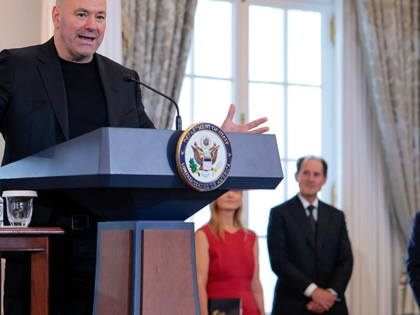
Beneath the spectacle of fighters beating each other bloody on the White House South Lawn, fight promoters, tech billionaires, and the Saudi government are working to concentrate wealth and power in fewer, richer hands.
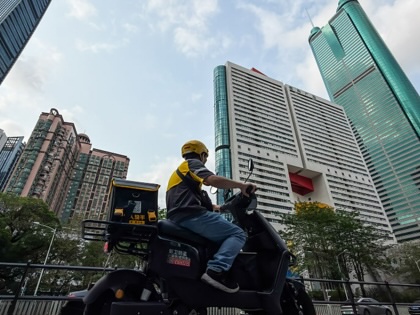
China has witnessed the greatest stretch of growth and poverty alleviation in human history, made possible by the brutal exploitation of millions of workers. A new book recounts one of their lives, offering a glimpse into the dark side of China’s success.

The Belgian Workers’ Party is the strongest rising force on Europe’s radical left. Its general secretary, Peter Mertens, writes for Jacobin on his party’s fight against the EU’s rearmament plans.
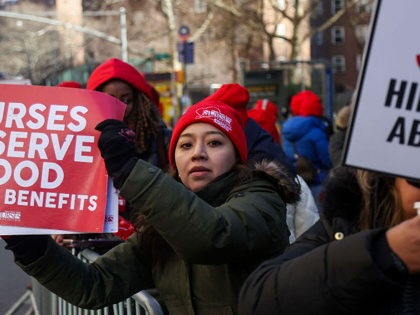
A small but important segment of the New Left “turned to industry,” getting jobs in steel, auto, and elsewhere to build a militant current in the US labor movement. The Rank-and-File Project is aiming to build a similar current of democratic, militant unionism today.

The Palm Springs School for Social Research wants to revitalize historical materialism, revive ideology critique, and ask big questions about social life. We talked to one of its founders, Catherine Liu, about gangster capitalism and the future of socialism.

One of Africa’s top teams, Senegal has good reason to look forward to the World Cup. But the US government has put up major barriers to its fans and journalists visiting the country, in a policy of deep discrimination against Senegalese citizens.

For decades, the rules of the global economy — and the economics discipline — seemed fixed. But now, with Donald Trump’s help, the edifice is collapsing. We talked to heterodox economist Ha-Joon Chang to understand dying dogmas and emerging alternatives.
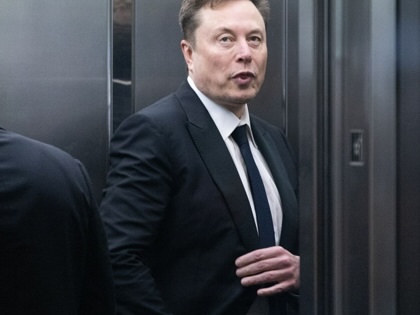
Elon Musk’s SpaceX is making a record-breaking IPO today. For the occasion, the SEC exempted Wall Street brokers from consumer protection rules — potentially jeopardizing the assets of investors, including 401(k)s and pensions, if markets are volatile.
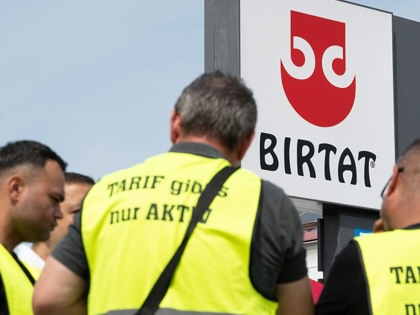
Döner is one of Germany’s favorite fast-food meals, but workers processing the meat for the skewers are badly paid. Now they’ve won their first ever collective agreement, after a 12-day strike waged by a multinational workforce.
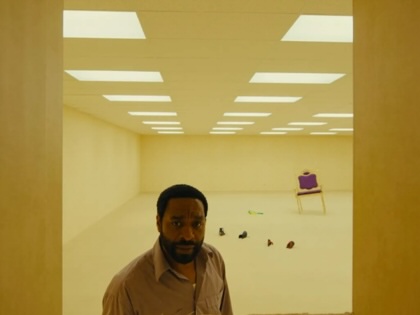
Two indie horror movies with YouTube origins, Obsession and Backrooms, crushed big-budget Star Wars and He-Man movies at the box office. But claims that these films represent a revival of cinematic creativity à la the New Hollywood era are overblown.

Is “girlboss feminism” responsible for declining birth rates? Are endocrine disruptors lowering teenage boys’ sperm counts? Stop asking ridiculous questions designed to stir up the culture wars, and start figuring out how to put cash in new parents’ pockets.
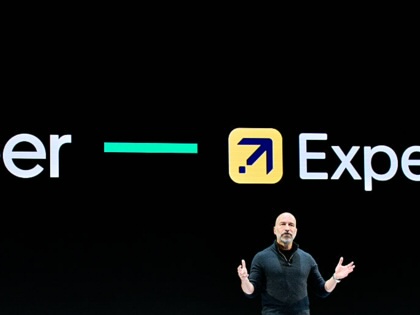
Rideshare apps Uber and Lyft are battling thousands of injury and sexual assault lawsuits. A must-pass transportation bill in Congress includes an industry-friendly carveout that would give the companies legal immunity from car crashes and injuries.
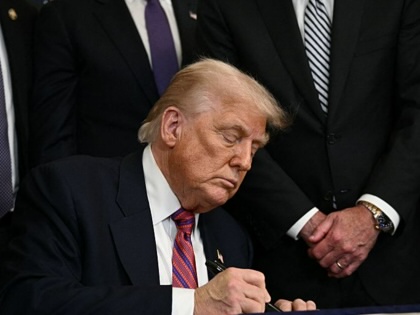
US government enthusiasm about the cryptocurrency known as stablecoins is about more than Trumpian corruption or industry lobbying. It’s an attempt to lower federal borrowing costs — one that may undermine the financial system’s stability in the long run.
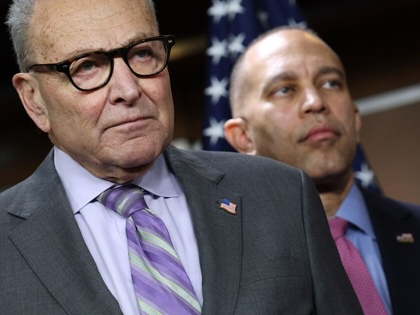
Voters quite simply do not like the Democrats. The Democratic Party brand is complete trash. Although the structural barriers to a break from the Dems are real, that doesn’t mean we shouldn’t try.