Just as it has throughout Latin America, the Trump administration was openly working to defeat a left-wing government in Brazil and replace it with a far-right one. With Lula’s victory, Trump failed.
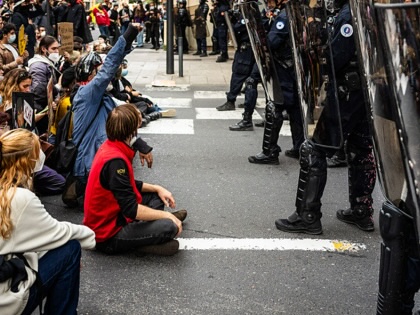
Who’s Afraid of Gen Z Socialism?
From France to India, young people have led the current wave of protests. Rather than deny the importance of generational politics, we can see it as a way that people make sense of their life chances and of the opportunities they are denied.
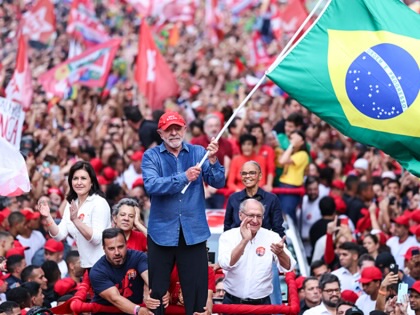
Lula’s Surprise Victory Is a Beam of Hope in a Dark World
Lula’s defeat of the far right in Brazil not only secures the Brazilian president a definitive place in the history of global democracy but also offers valuable lessons for socialists across the planet.

Israel Is Accelerating Plans to Annex Neighboring Lands
Israel’s ethnic cleansing of southern Lebanon and Gaza has reached a scale unseen since the Nakba. The history of Israel’s offensives shows how depopulation is soon followed by annexation.
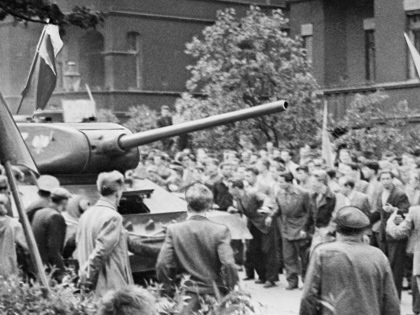
1956 Was a Missed Opportunity for Socialist Reform in Poland
In October 1956, a protest movement in Poland brought a reform-minded communist leadership to power. Unlike Hungary, Poland managed to avoid Soviet intervention, but the opportunity to democratize its political and economic structures was missed.
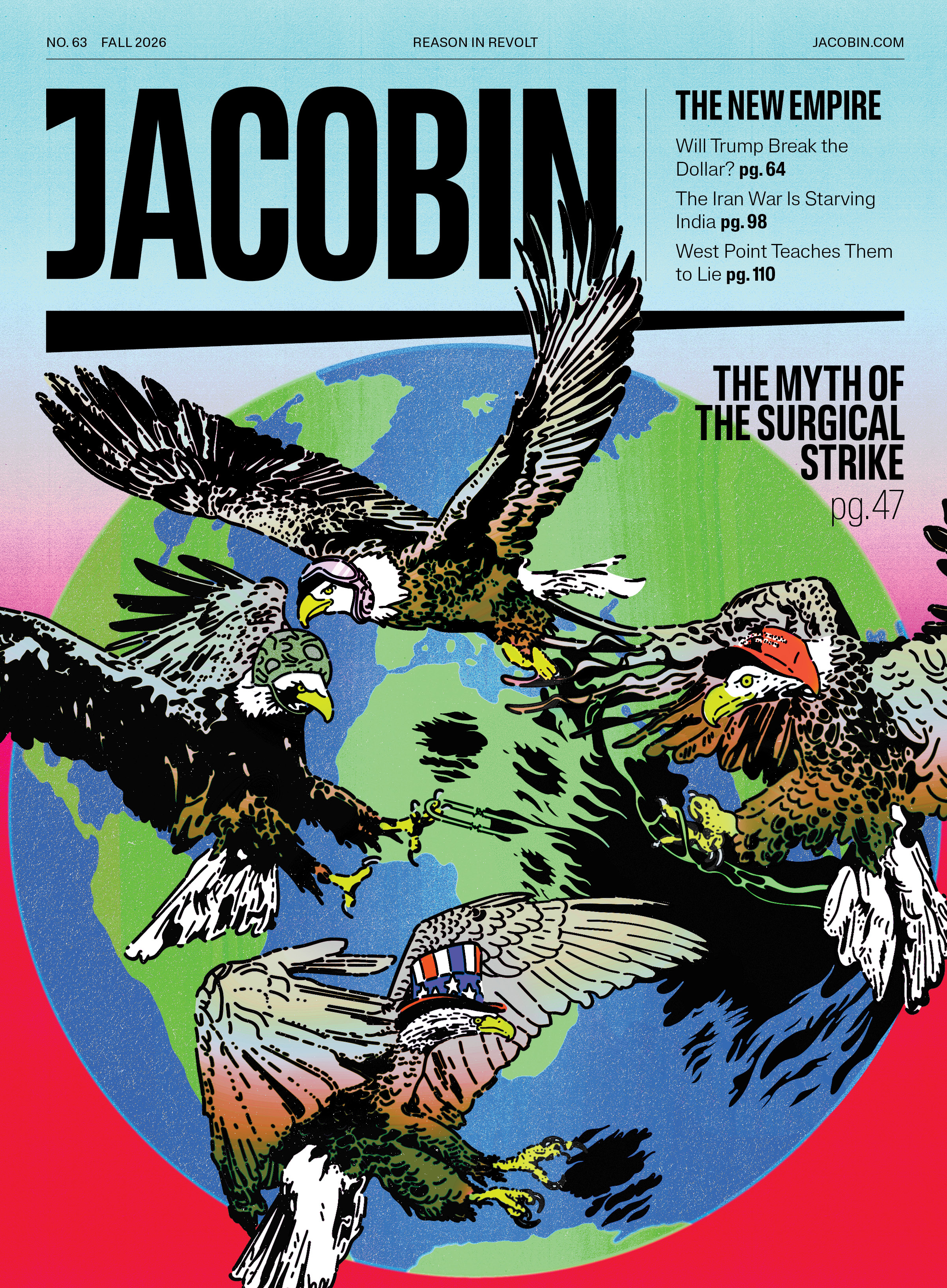
Is Trump Crashing the Dollar Empire?
Economist Mona Ali on how the United States wields the world’s most powerful currency to shore up empire and its own ruling class — and how Trump’s careless moves might blow it all up.
The real choice is not between globalization and deglobalization, free trade and tariff walls, but between empowering capital and empowering workers.
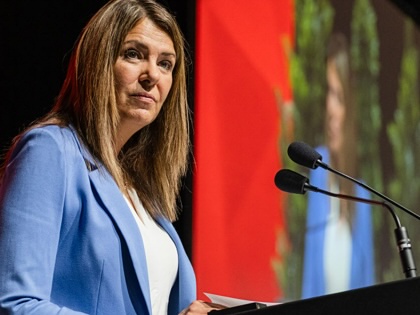
Alberta’s Separation Ballot Ended With a Whimper
The result of Alberta’s referendum was widely expected: three-quarters chose to stay in Canada. The referendum’s other questions, and the political tensions they exposed, point to deeper struggles — over immigration and the country’s resource economy.
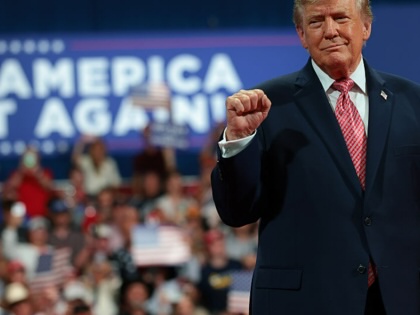
Adolph Reed on What It Will Take to Defeat Trumpism
Donald Trump’s popularity may be waning, but the political-economic conditions that gave rise to Trumpism remain, Adolph Reed argues. To defeat the Right, the Left needs to rebuild durable working-class organization and a universalistic politics.

When Gas Diplomacy Sounds Like Regime Change
Kimberly Guilfoyle, Donald Trump’s ambassador to Greece, has resigned. Her farewell statement lays bare the bigger story: how American exporters and Greek capital collude to make ordinary households foot the bill for their new energy order.
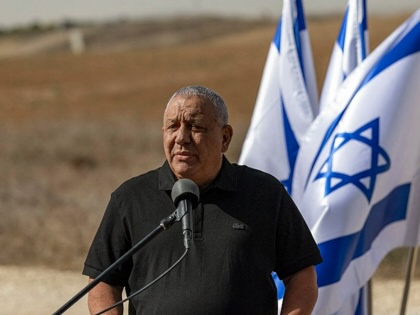
Israel’s Election Offers a Bleak Future for the Palestinians
The rival blocs contesting Israel’s general election differ over many questions, but they converge in their opposition to a Palestinian state. Even if Benjamin Netanyahu loses power, the occupation will continue.
Michael Hardt and Antonio Negri’s Empire became a campus sensation because it offered a master theory for globalization at a moment when old Marxist categories seemed exhausted. But the capitalist internationalism they saw as permanent has now crashed and burned.

A New Israeli Government Won’t Stop the Settlements
Israel’s election on Tuesday is the first since October 7, 2023. Even if Benjamin Netanyahu’s government loses, it’s unlikely to lead to a real shift in Israeli policy.
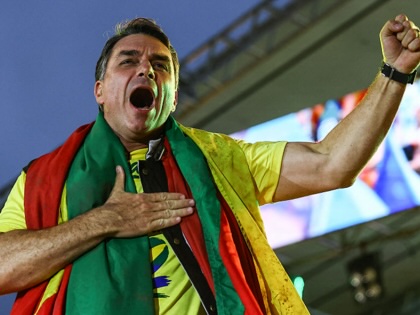
Brazil’s Far-Right Trajectory Is a Warning for Us All
To understand the global appeal of the far right, look to Brazil, where Bolsonarismo has capitalized on social disintegration to cement brute exploitation as the dominant social logic.

Israel’s Rogue State Behavior Is Somehow Only Worsening
Rather than slink back from its globally condemned genocidal conduct over the past three years, Israel is actually ratcheting up its psychotically bloody and illegal conduct right now.

Hyman Minsky Was a Powerful Critic of Capitalism
The economist Hyman Minsky died 30 years ago today. Best known for his theory of financial instability, Minsky developed a view of capitalism and its mutations that was far more radical than many of those who cite his work appreciate.