
Inside America’s Growing Sovereign Citizen Movement
The growing sovereign citizen movement reflects an America that has lost faith in its democratic institutions.
The growing sovereign citizen movement reflects an America that has lost faith in its democratic institutions.

GEO Group, a top private prison contractor for ICE, is claiming immunity from lawsuits alleging forced labor at its detention centers. It’s using a controversial legal doctrine best known for shielding cops from police brutality claims.

Electrifying everything sounds like the obvious path off fossil fuels, but it requires critical minerals we can’t source quickly enough. Alternative technologies and interventions can cut emissions faster, cheaper, and without mineral bottlenecks.

Karla Murthy’s new documentary film about her immigrant father’s tumultuous journey up and back down the class ladder turns the mythology of the American dream on its head. It’s a story many native-born Americans will find strikingly familiar.
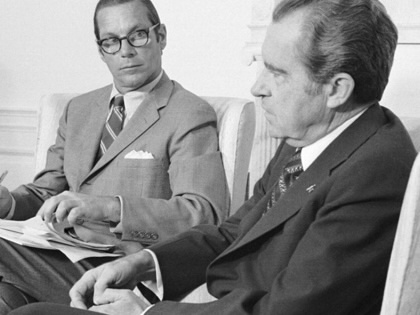
Defenders of the private equity industry cast it as a bold force driving economic dynamism. But its record of destroying public services is no accident: private equity is essentially an elite project to profit from asset-stripping.
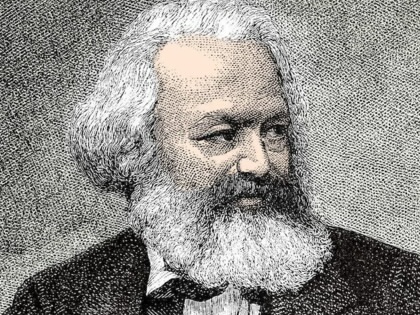
Karl Marx dismissed speculation about a future socialist society as “writing recipes for the cookshops of the future.” A closer reading suggests he had a rich vision of the good life, based in the idea that people flourish by meeting each other’s needs.
Avi Lewis’s election to leadership of the NDP is a welcome development. But if the party wants to be a real vehicle for working-class politics, changes at the top are only part of the equation.
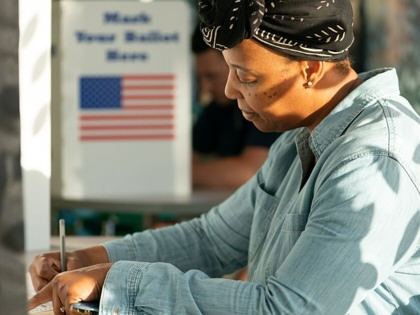
The current gerrymandering wars underscore fundamental problems with the United States’ electoral system. The Fair Representation Act, a bill to establish proportional representation in US House elections, offers a way out of this impasse.
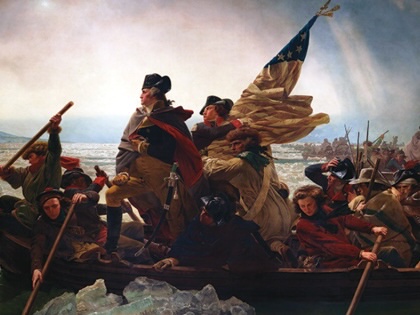
What Oliver Cromwell and the English Revolution meant to America’s revolutionaries.
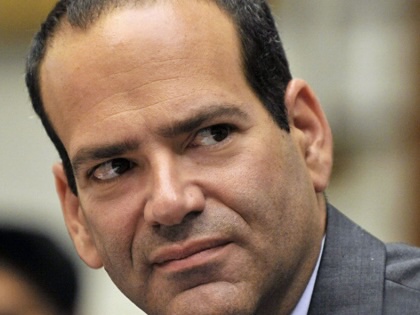
Shawn Fain’s reform administration in the United Auto Workers now finds itself locked in conflict with a federal anti-corruption monitor that Fain says is overstepping his bounds — including in opposing the union’s stance against Israel’s genocide in Gaza.
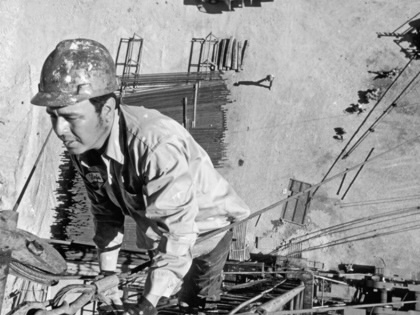
Tony Mazzocchi was instrumental in reshaping workplace health and safety — a feat made possible by empowering workers themselves to expose hazardous conditions. Recent attacks on OSHA underscore the importance and continued relevance of his work.

A bill now in Congress, written ostensibly to address large-scale cargo theft, contains a provision granting ICE broad exemptions to collect federally protected commercial data. The loophole would expand ICE’s already vast surveillance apparatus.
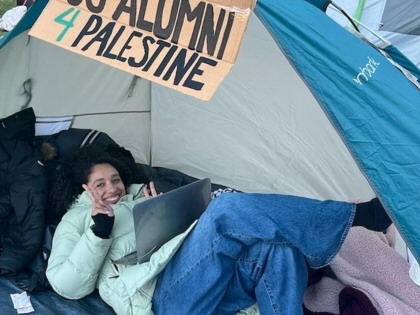
Tuesday’s election showed us three things: Mayor Zohran Mamdani’s victory was not a fluke, grassroots organizing by progressive groups and unions can overcome big money, and unapologetic support for Palestinian freedom can be a winning campaign message.
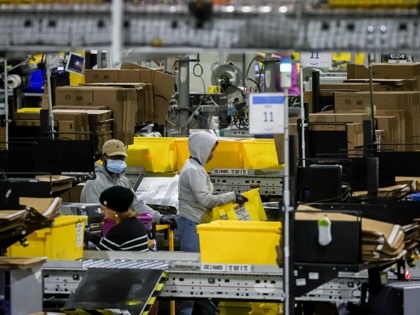
Advocates of the “political capitalism” and “monopoly capital” theories argue that capitalism is stagnating, increasingly unproductive, and dominated by rent-seeking. These are flawed diagnoses that put socialist strategy on the wrong track.
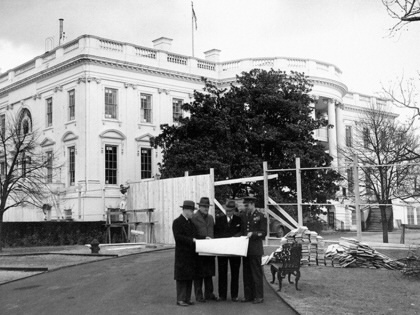
Popular access to and control over the White House has reached historic lows. There are grander spatial testaments to democracy to be seen in Washington, DC.
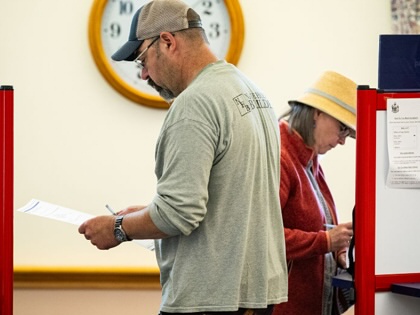
But progressives need to be careful about how they pitch their appeals to workers.
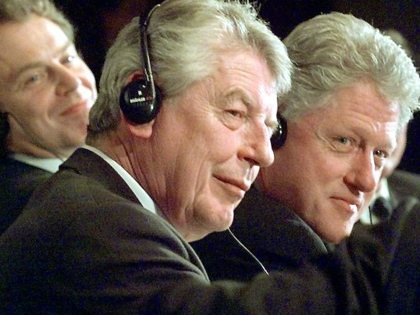
For decades, the Netherlands’ “no-nonsense” model of neoliberalism has been the poster child for free-market reforms. Yet for all the rhetoric of national unity, this model has forced long periods of austerity and the organized looting of public services.

South Asia is witnessing scorching heat waves, with temperatures in Bangladesh, Pakistan, and India regularly surpassing 110 degrees Fahrenheit. The heat is killing an unprecedented number of workers who have no choice but to work under the blazing sun.
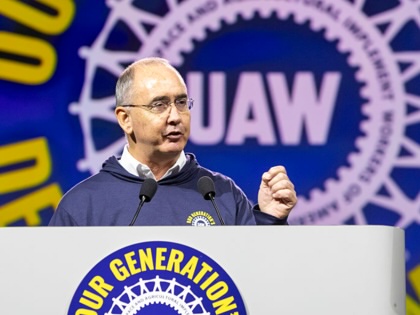
The United Auto Workers reaffirmed the more militant approach that the union has taken under President Shawn Fain at its convention last week, voting for more funding for new organizing, a bigger strike fund, and divestment from Israel.
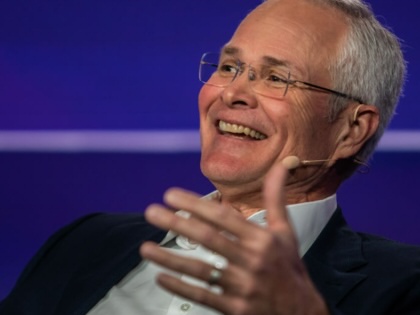
Over 50% of the profits from recent oil supply shocks went to the top 1% of Americans. The bottom half received just 1%. The Iran war likely triggered another massive transfer to the very richest.