Before 1776, There Was 1649
What Oliver Cromwell and the English Revolution meant to America’s revolutionaries.
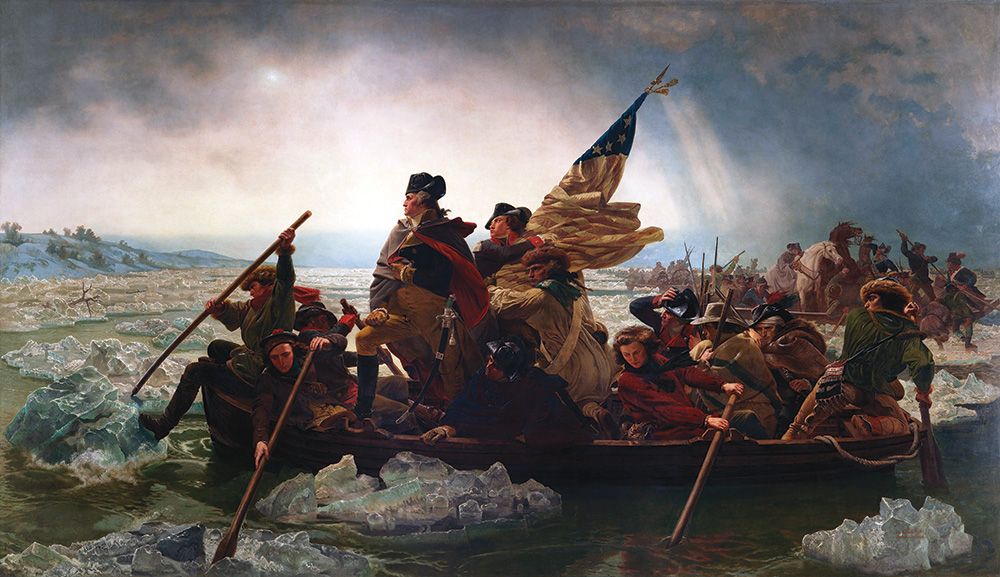
(GraphicaArtis / Getty Images)
Every revolution, once it has reached its zenith, looks back and measures its achievements against the standards set by those that came before. On the 250th anniversary of the American Revolution, it’s the opportune time to look back at the influence the English Revolution of the 1640s had on it.
The foundations for such historical connections were laid in the earliest years of colonial New England. The Pilgrims were refugees fleeing religious persecution by the Stuart monarchy. Parliamentary supporters and Grandees were both advocates and financiers for the New England colonies. Hugh Peter, the powerhouse preacher for the Parliamentarians’ New Model Army, first lived and worked in Salem before returning to England in 1641; the family of Leveller leader Thomas Rainsborough married into that of John Winthrop, first governor of Massachusetts. And when the Stuart monarchy was restored in 1660, three regicides — Edward Whalley, William Goffe, and John Dixwell — fled to New England to escape the hangman’s noose. They were protected by the colonists and never captured by the new king’s agents.
But what was left of those connections more than one hundred years after the restoration of the English monarchy? The answer is embodied in the powerful legacy of Oliver Cromwell, whose memory loomed large in America even into the 1770s.