Cuba Sends Doctors, the US Sends Sanctions
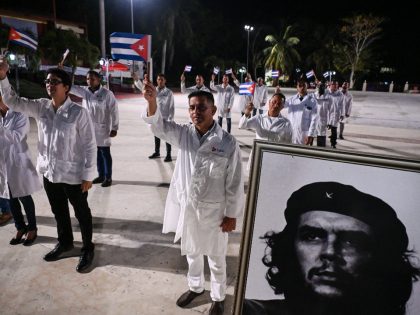
The United States calls Cuba’s medical internationalism "human trafficking" — but it’s really an internationalist lifeline for the Global South.

The United States calls Cuba’s medical internationalism "human trafficking" — but it’s really an internationalist lifeline for the Global South.

There’s something about the phrase “price controls” that drives some people — mainly economists — around the bend. But history shows that market economies rarely go very long without needing some form of price control — especially in a crisis.

Before 2019 comes to a close, let’s take one last look at the most obnoxious, appalling, and insidious personalities of the past twelve months. These are eight auld acquaintances we’d desperately like to forget — here’s hoping we’ve heard the last of them.

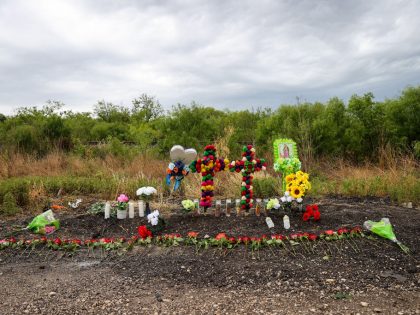
While Republicans cry “invasion” and Democrats placate them with hard-line border policy, immigrants languish in prisons or die in dangerous passage. A rational approach to immigration must both address the causes of displacement and protect those who migrate.

1968 was a decisive turning point in the Cuban Revolution.

Republican Senator Bernie Moreno, a scion of Colombia’s right-wing political and business elite, is stoking a dangerous conflict between Donald Trump and Colombia’s government. His motivations derive from both veiled familial interests and broad class ones.

Donald Trump is angry because Spain’s prime minister, Pedro Sánchez, hasn’t backed the war on Iran. Sánchez’s stand is hardly radical, but it seems like it now that almost all of Europe has fallen in behind Trump.

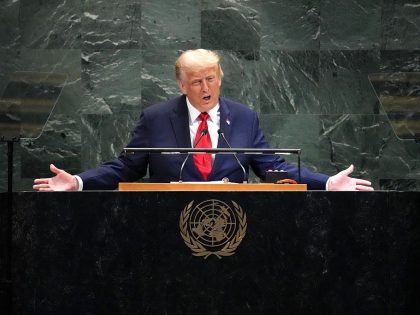
We’re living in the imperial end times, argues Hasan Piker. With Trump entering a quagmire in Iran after having cast off America’s allies, a new era of belligerence, cruelty, and MAGA fascism looms over the home front.

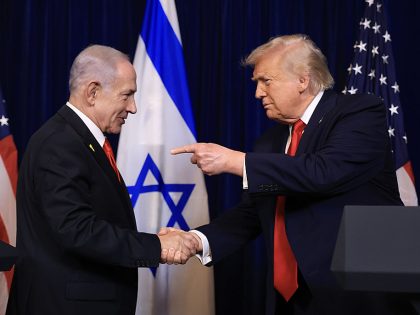
The war on Iran is a joint effort by segments of the US, Israeli, European, and Arab ruling classes that are committed to global and regional domination — not just the result of Israeli pressure on Donald Trump.

As US power declines, it is destroying the norms and institutions that once organized its international projection of authority. While the US is losing its leadership role, no single power is replacing it as a global hegemon.

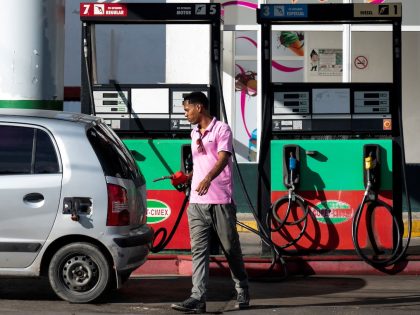
Donald Trump’s efforts to blockade Cuba’s fuel supply aim to create chaos. Now more than ever, Cuba needs practical international solidarity to resist US imperialist bullying.

As the US attacks Iran, Donald Trump is following a blueprint laid out by a long-standing force in US foreign policy: the neocons who backed the Iraq War more than 20 years ago.

In 1954, the CIA enlisted a right-wing radio host and a US senator in a plot to spread propaganda convincing Americans to boycott Guatemalan coffee — all to destabilize a democratically elected government the US would soon help overthrow.

We don’t have an effective, mass antiwar movement to push back against Donald Trump’s war on Iran. We need one immediately.

In March, the Trump administration revoked the legal status of 532,000 Latin American immigrants here under the “humanitarian parole” system. Affected workers in Louisville, Kentucky, have seen an outpouring of support from the local labor movement.

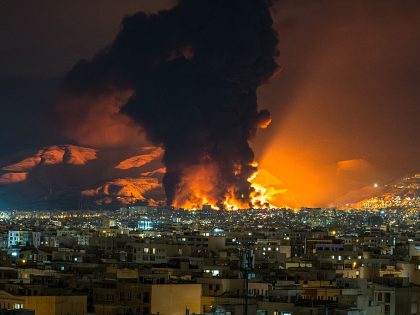
Donald Trump’s war on Iran is barely half a week old, and with each day, it has become a bigger and bigger debacle.

The United States is attacking Iran because Donald Trump was determined to drag us into war no matter what — and despite repeatedly insisting he would do the exact opposite.

For a century, American wars were planned by think tankers drawn from the boards of Goldman Sachs and Chevron. It gave rise to horrors like Vietnam and Iraq. That era is over. What comes next is very likely worse.

At their 2026 organizing conference, Young Democratic Socialists of America focused on organizing student workers, building campus movements against ICE, and preparing mass action for May Day 2028 to confront Trump’s authoritarianism.

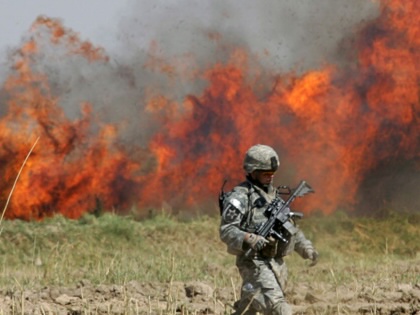
As Donald Trump launches a dangerous war on Iran, understanding what really drives US imperial aggression is more urgent than ever. The 2003 invasion of Iraq, which many critics wrongly claim was about oil, offers an illuminating case study.