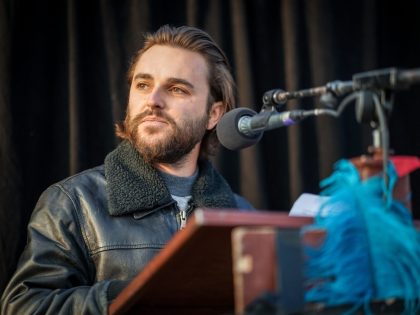
In Amsterdam, the Left Might Bicycle to Power
After years of organizing outside electoral politics, a new left formation in Amsterdam is running for city council. Its leaders argue that movements don’t need protest alone — they also need power.
Benjamin Case is a researcher, educator, and organizer living in Pittsburgh.
After years of organizing outside electoral politics, a new left formation in Amsterdam is running for city council. Its leaders argue that movements don’t need protest alone — they also need power.

One of the dominant ways of thinking about addiction is as a disease. While there is evidence for this approach, it often leads to a dismissal of addiction’s social causes, rooted in alienation and purposelessness.
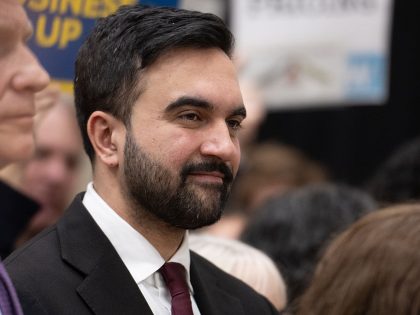
If you take a closer look at the data, the generational differences within Jewish New York voters’ embrace of Zohran Mamdani looks a lot like the generational differences within black voters’ embrace of Bernie Sanders in 2016.
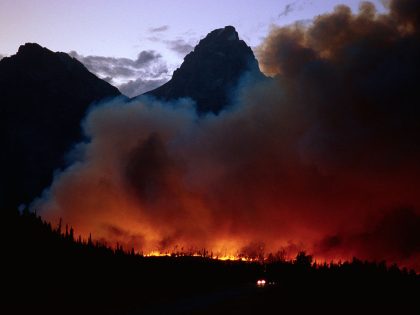
In The Long Heat, Andreas Malm and Wim Carton take aim at what they call rationalist-optimists — people who naively believe that market solutions can fix the climate crisis. But their sweeping critique runs the risk of abandoning all hope in the future.

Despite rising inequality, poor job numbers, and Donald Trump’s mass deportations, the economy grew by a remarkable 4.3% last year, mostly thanks to the AI industry. This success masks an economy highly dependent on debt and state subsidies.
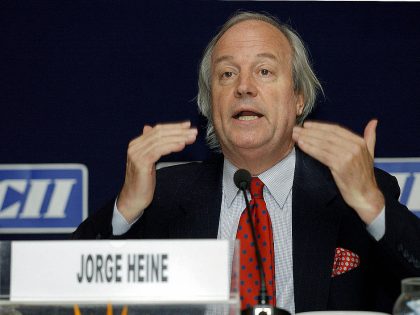
Donald Trump speaks of an expanded Monroe Doctrine that asserts US domination across the Americas. Chilean ex-diplomat Jorge Heine told Jacobin about the need for a new nonaligned movement that can resist imperialist claims.
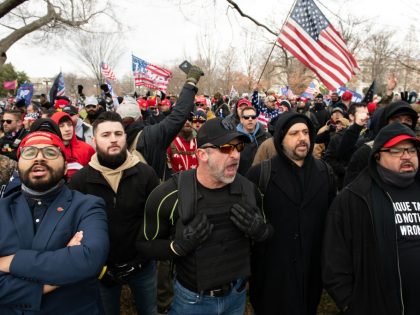
In 2021, the January 6 Capitol attack exposed deep connections between the US state and far-right groups. When something similar happened in Brazil in 2023, it prompted a national attempt to reform the government. The US has failed to do the same.
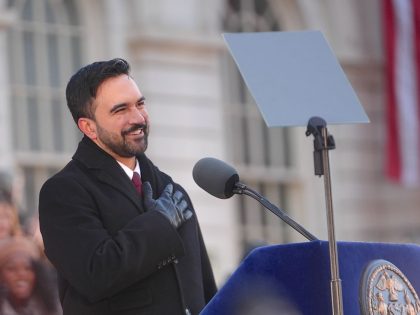
The Right had a spectacular meltdown about Zohran Mamdani’s inauguration speech rejecting “rugged individualism” in favor of what he called the “warmth of collectivism.” But Mamdani is right that community is a value worth extolling.
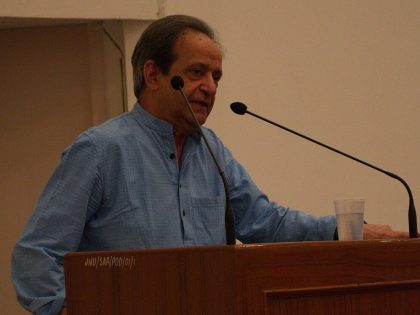
Aijaz Ahmad belonged to a generation of South Asian left intellectuals who came of age in the heyday of anti-colonial revolution. He was an uncompromising opponent of the Hindutva right that betrayed the heritage of India’s struggle against colonialism.
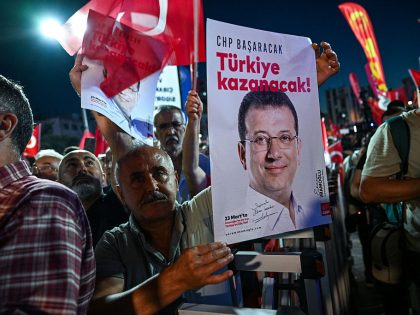
In Brazil, the jailing of former president Luiz Inácio Lula da Silva served a far-right takeover. The Turkish government is following the same playbook as it stifles the opposition.

Bryan Johnson’s sexless brand of “wellness vampirism” is the perfect metaphor for Silicon Valley. It’s a utopian promise of a limitless future disguising a brutal, extractive reality that leaves us all drained.

Financial fraud has exploded in the past few years, with consumers reporting more than $12.5 billion in losses in 2024. President Donald Trump’s deregulatory agenda isn’t helping.

Before Donald Trump’s capture of Nicolás Maduro, corporations filed lawsuits against Venezuela seeking damages tied to state nationalization, international sanctions, and political instability. A Trump-installed government could tilt the courts in their favor.

Jessica Mitford was born the child of aristocrats and the sister of fascists who celebrated the rise of Adolf Hitler. But she betrayed her class to become a communist, embedding herself in the life of the working class and railing against the powerful.
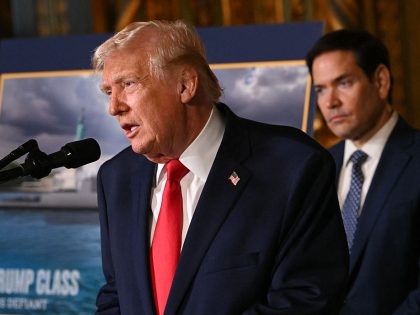
Nothing about Donald Trump’s brazenly illegal actions against Venezuelan president Nicolás Maduro suggests that the American ruling class has learned any lessons from US imperial overreach and failure in Afghanistan, Iraq, or Venezuela itself.
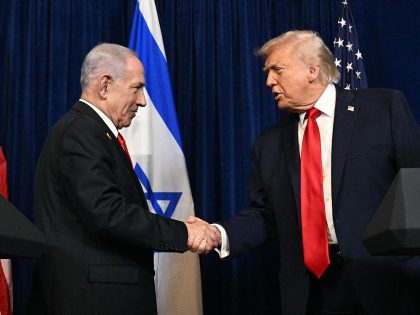
Donald Trump is once again threatening war with Iran just six months after bombing the Islamic Republic in June. Part of the reason for his hawkishness is his closeness to Israel, whose increasingly reckless actions threaten the whole Middle East.
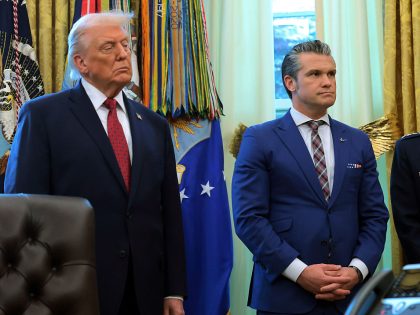
The kidnapping of Venezuelan president Nicolás Maduro is a crude act of Trumpian aggression. Yet it also illustrates the US leadership’s weakness, as it moves to lock down control of the Western Hemisphere.
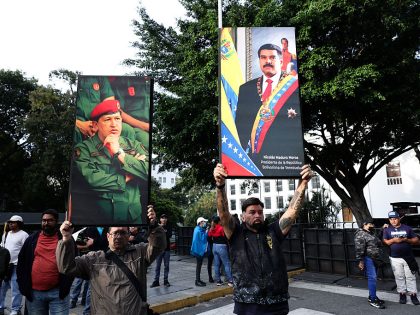
A former Venezuelan diplomat speaks to Jacobin about how the state, military, and popular forces are responding to US military aggression — and what comes next.
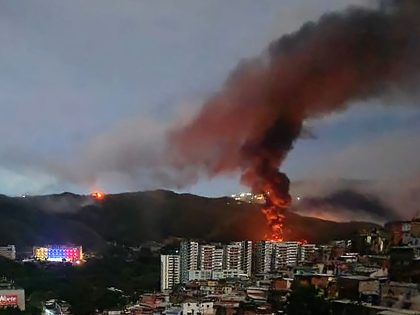
The attack on Venezuela signals a new phase of US power in Latin America — one defined by coercion, intimidation, and open-ended intervention.
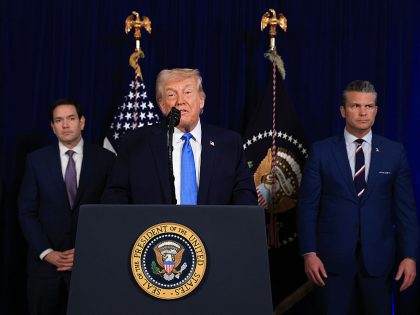
Venezuela is only the opening salvo in a blatantly imperial project aimed at crushing the Latin American left.