The 2014 Jacobin Mixtape
The last year in Jacobin, lovingly compiled.
The last year in Jacobin, lovingly compiled.

In Sunday’s Catalan elections, pro-independence parties topped 50 percent support for the first time. But with popular mobilization on the decline, pro-independence forces will need to answer the social needs of the working-class majority if they are to rally a broad front against Spain’s inflexible constitutional order.
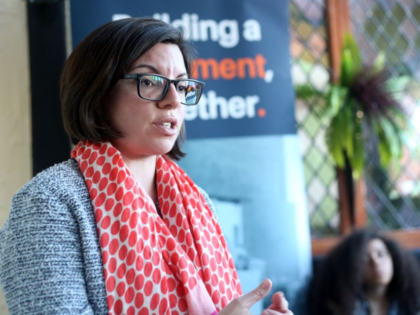
An interview with Niki Ashton, whose campaign for leadership of Canada's New Democratic Party has been rooted in a bold left-wing vision.
In his new project, Nicholas Kristof argues that hope, not politics, can solve poverty.
As humanity pushes outward into space, how will the galaxy’s wealth be shared?
Imagine a future in which many of us live in, and thrive in, quality public housing.

As democratic socialism returns to the US public eye, socialists need to make clear how their vision differs from the liberalism most Americans are familiar with. Here are five crucial distinctive elements of a socialist policy agenda.
Expecting artists to work for free hands the reins of cultural production to ruling elites.
Spain votes in a general election on Sunday. Can Podemos reclaim its earlier momentum?

Today and every day, we need a feminism of the 99%.

The Finnish welfare state is being eroded, and the far right has gained momentum. As the country turns one hundred, what's happened to Finland?
You can't have capitalist growth without environmental destruction.

Populist economic policies grounded in the value of work and commonsense notions of fairness may be able to win over constituencies that have abandoned Democrats in recent decades. There’s a problem though: the Democratic brand is trash.
A high minimum wage could disrupt an economy based on crappy jobs — and that's a good thing.

Research shows that work shapes not only material life but also identity and community. If AI erases work as we know it, it could also erase the foundations of mass politics.

For years, democratic socialists in San Francisco have been passing Zohran Mamdani–style policies in the city legislature and through ballot measures, only to see them blocked by Silicon Valley billionaires and powerful real estate interests.

Commentators and politicians have taken a rightward shift in German society for granted. But the reality is much more complicated.

By many estimates, the increasing use of artificial intelligence is set to produce significant job losses. The prospect of serious disruption demands that we start formulating egalitarian policy solutions right now.

It seems increasingly likely that artificial intelligence will mean major changes to the economy and daily life. We need a public jobs program for displaced workers, and we should regulate AI as a public utility.