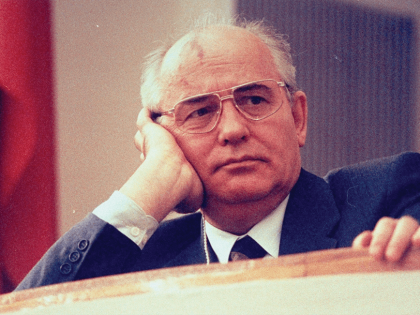
Where’s Our Gorbachev?
The United States today isn’t on the verge of a Soviet-style disintegration — but neither is there any force at the top willing and able to reform our political system.
The United States today isn’t on the verge of a Soviet-style disintegration — but neither is there any force at the top willing and able to reform our political system.

Board games aren’t just escapist — they play a unique role in helping us imagine new worlds and different ways of working together. Recent games like Pandemic and Daybreak put the crises of our time on the table and ask us to solve them.

The unfreedom workers suffer on the job has been an abiding critique of capitalism, and for good reason. A society that allows for the full development of human freedom must allow people to collectively determine the conditions under which they work.

The WNBA is more popular than ever. On the back of this success, and with rival leagues threatening to outbid it by offering athletes higher pay, the WNBA’s union has decided to use its strong position to renegotiate a contract for better pay and benefits.
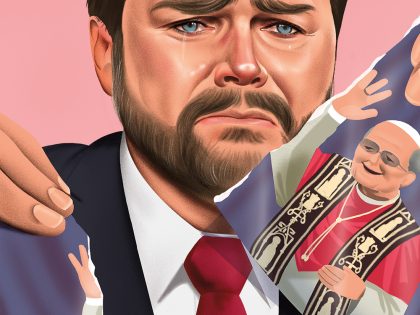
Robert Francis Prevost, the first US-born pope, embodies Catholicism’s anti-nationalist ethos. Will he follow Pope Francis in confronting the resurgence of nativism in the US and abroad?

On Memorial Day, socialists honor the victims of war and struggle for a world free of it.

I’m Still Here is a stirring tribute to the Brazilian people’s resistance to military dictatorship — and their unwillingness to give up their hard-won democracy.
Why Nordic countries out-innovate the United States.

Today no one on either side of the political spectrum would present themselves as an enemy of choice. The historian and author of The Age of Choice, Sophia Rosenfeld, spoke to Jacobin about the complex legacy of an idea that helped forge the modern world.
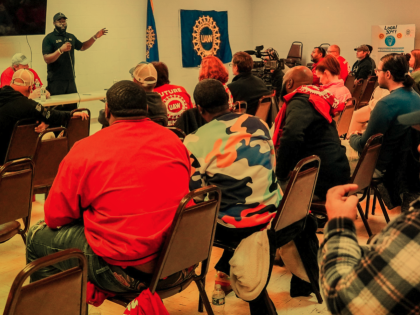
In deep-red Hardin County, Kentucky, workers are trying to unionize a new electric vehicle battery plant. If Donald Trump scraps the IRA, it may cost thousands of his supporters safe, well-paying jobs.

Leo Panitch emphasized three core themes throughout his career: the process of class formation, the key role of political parties in facilitating this process, and the need to transform the state instead of wielding it in its current form. In doing so, he gave the democratic-socialist movement an invaluable trove of resources to change the world with.
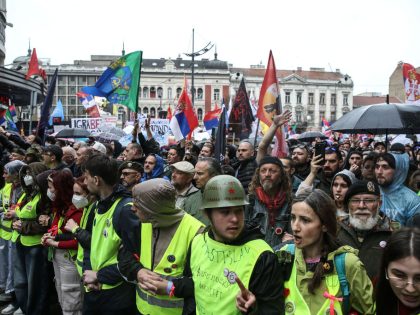
Student protests in Serbia have challenged an authoritarian government and its sell-off of public assets to multinationals. Far from just a liberal or pro-European movement, it is challenging the ties between Serbian and international capital.
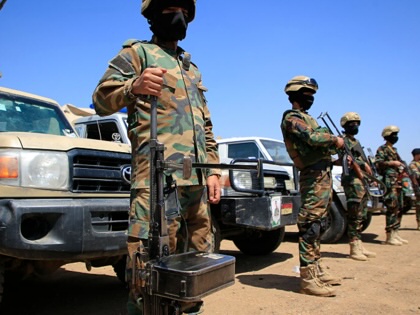
Yemen’s Ansar Allah movement has held back so far from full-scale involvement in the conflict between the US and its Iranian allies. But with ceasefire talks seemingly close to collapse, Yemen could be drawn into any renewed outbreak of war.

Conspiracy theories are rife with esoteric motifs. But what do those symbols actually represent?
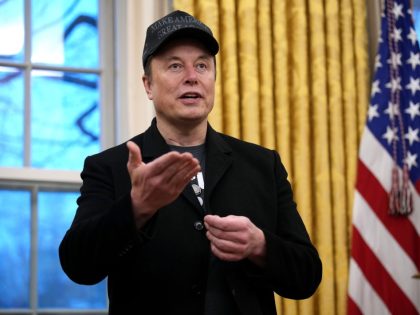
Before DOGE came along, Jonathan Kamens worked on cybersecurity for the VA. Now, he says in an interview with Jacobin, he dreads an avalanche of scams against veterans — and hopes his former coworkers will push back.

In defiance of predictions, American Marxism has survived and even flourished, notably in universities. This institutional base has produced plenty of good scholarship, but it’s also encouraged hyper-specialization and the use of impenetrable jargon.
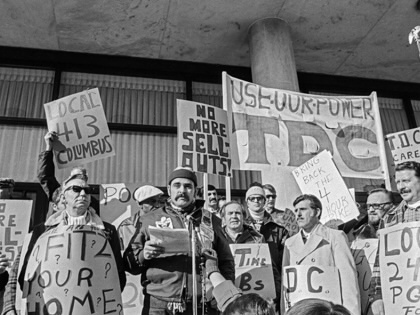
Often forgotten today, the US saw a tidal wave of rank-and-file worker militancy in the late 1960s and early ’70s. Many socialists of the era took jobs on the shop floor to help foment the upsurge and build a revolutionary movement to replace capitalism.
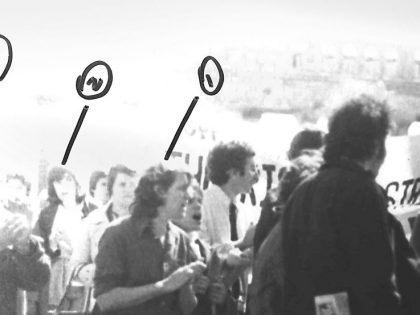
How the FBI broke into the revolution business.

Although the West has long tolerated forced expulsions when convenient, its postwar framework at least nominally rejected them. Now the US is not just abandoning those norms — it appears to be actively legitimizing ethnic cleansing in Gaza.
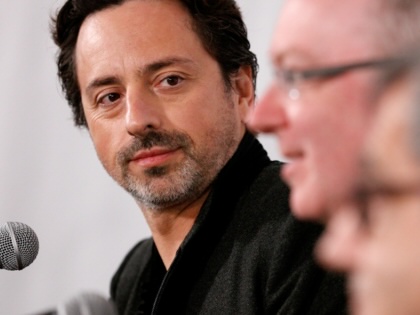
Sergey Brin’s family fled Soviet authoritarianism, an experience he’s now invoking to portray a proposed wealth tax as Soviet-style tyranny. Ironically this sort of rhetoric is more likely to bring the US closer to today’s Russia: an unabashed oligarchy.