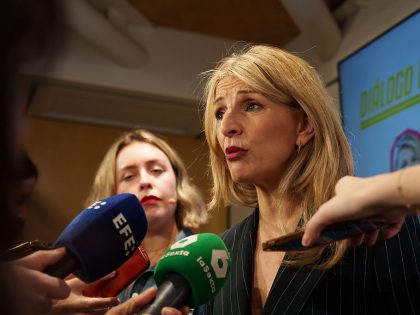
Spain’s Deputy PM: Workers Have the Power
Spain’s deputy premier Yolanda Díaz has enacted landmark reforms to strengthen workers’ rights. In an interview, she tells Jacobin that “there’s no more powerful force than the workers of the world.”
Spain’s deputy premier Yolanda Díaz has enacted landmark reforms to strengthen workers’ rights. In an interview, she tells Jacobin that “there’s no more powerful force than the workers of the world.”
Jacobin contributor Paul Heideman’s reading list on municipal socialism explores how workers’ movements, from Milwaukee to Liverpool, built power at the local level — and how they were defeated.
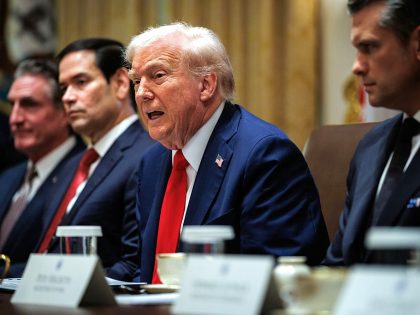
For a century, American wars were planned by think tankers drawn from the boards of Goldman Sachs and Chevron. It gave rise to horrors like Vietnam and Iraq. That era is over. What comes next is very likely worse.

The 20th century saw an explosion in teen media. Now many of those magazines have folded.
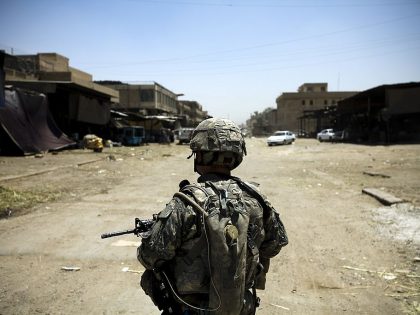
As Donald Trump launches a dangerous war on Iran, understanding what really drives US imperial aggression is more urgent than ever. The 2003 invasion of Iraq, which many critics wrongly claim was about oil, offers an illuminating case study.
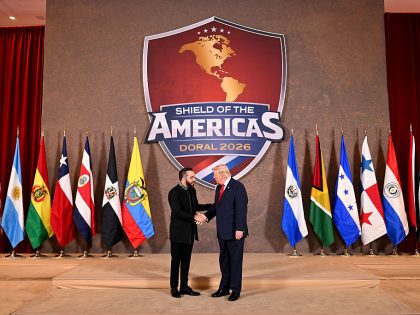
The Trump administration’s Shield of the Americas summit in Miami convened leaders from Latin America and the Caribbean’s emboldened reactionary bloc. True to form, the president ensured the summit was a ritual of humiliation and debasement.
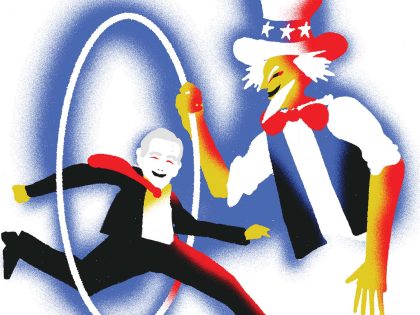
How the American political class brought a disaster to the Middle East.
Evo Morales’s presidency made real gains for working people. But could it have charted a more radical course?
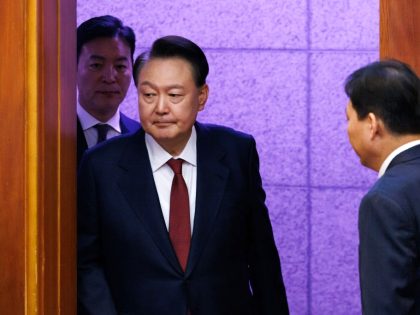
South Korea’s Constitutional Court has finally impeached disgraced right-wing president Yoon Suk-yeol after his failed coup last December. Yoon and his conservative allies have given a major boost to a far-right movement that is hostile to democracy.

After Indonesian dictator Suharto invaded Timor-Leste in 1975, Australian communists set up an illegal radio station, broadcasting reports from the resistance to the world. Their work exposed atrocities — and Australia’s role in hiding them.
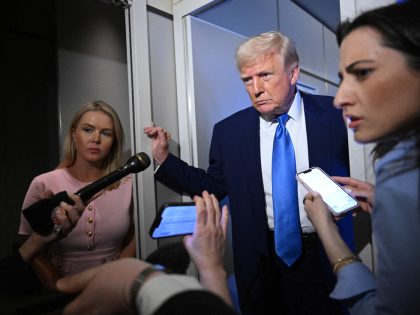
Wars abroad, the affordability crisis, inflation, censorship of political speech — Donald Trump successfully exploited discontent with Joe Biden’s administration on all these issues and more. Trump is now making all of them far worse.
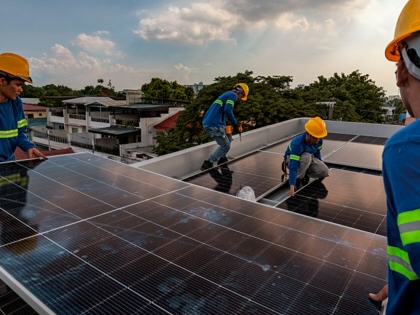
Under Joe Biden, green capitalists primarily sold commodities to help wealthier homeowners decarbonize. Real climate action will require a much more robust public-oriented politics of public investment, public goods, and public ownership.
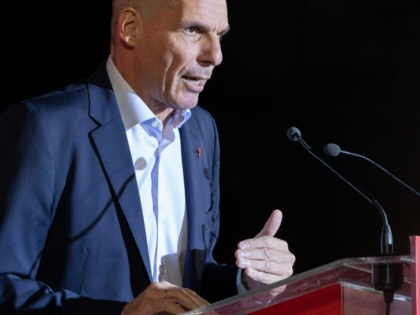
Yanis Varoufakis has called Big Tech’s overweening power to shape the modern economy “technofeudalism.” Writing for Jacobin, he argues that this isn’t a moral critique but one based in the dynamic of capital accumulation today.
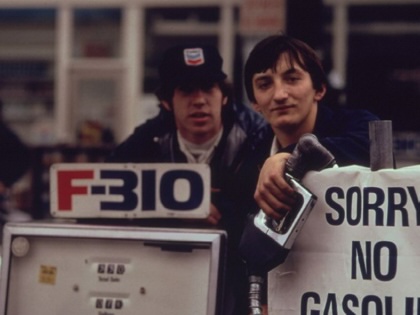
War, dollar chaos, and soaring oil prices fueled the inflation of the 1970s. Workers and the welfare state took the blame. As war sends oil prices soaring again, that story still limits what we think society can afford.
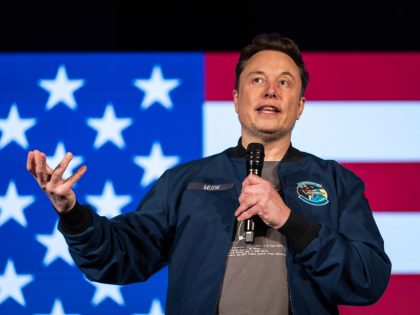
Elon Musk sells us sovereignty through technology in an age of crisis. Muskism resembles past futurisms, but with an important difference: this time, the question of who owns the machines is paramount.
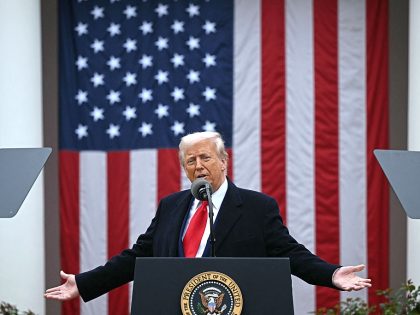
Donald Trump’s trade war means that we’re entering a qualitatively new phase in the history of capitalism. Yet the new economic order taking shape will be just as “globalist” as the neoliberal regime it’s supplanting.
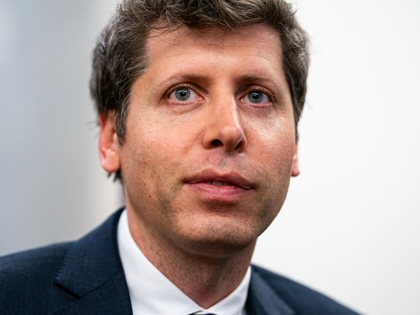
We tend to think that markets reflect consumer choice. But the artificial-intelligence boom has been powered by the investment decisions of concentrated capital rather than by consumer demand.
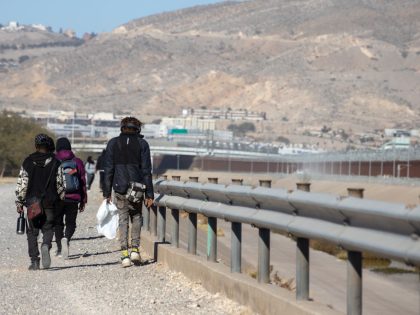
Donald Trump has aggressively pushed migrants to self-deport. It is a strategy the Republicans have learned from the global far right, which has sought to circumvent human rights by creating a hostile environment for immigrants.
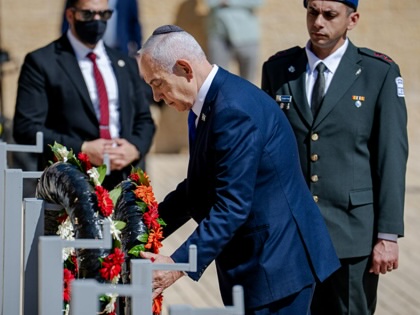
From Israel and Russia to Germany and Japan, we can find nationalists laying claim to a state of perpetual victimhood to justify present-day chauvinism. This brand of “victimhood nationalism” is becoming a powerful and pernicious force in global politics.
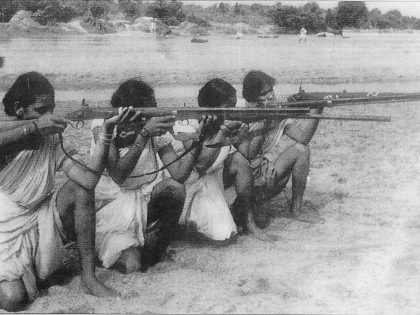
For thousands of years, organized peasants have challenged rural exploitation — and even toppled governments.