Anwar Shaikh: “The Fundamental Questions About Capitalism Seem to be Coming Back”
Anwar Shaikh is one of the world’s leading radical economists, whose work has challenged the way we think about capitalism. In an interview with Jacobin, Shaikh gives a concise overview of the ideas set out in his landmark book Capitalism: Competition, Conflict, Crises.
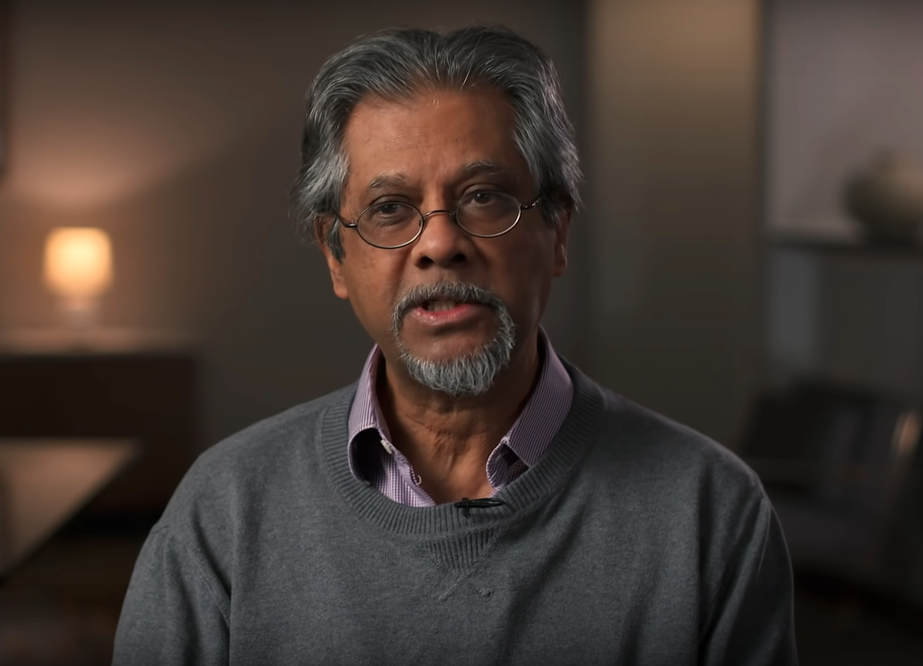
Anwar Shaikh in a recent interview. (Institute for New Economic Thinking / Youtube)
Anwar Shaikh’s Capitalism: Competition, Conflict, Crises (2016) has been widely acclaimed as one of the most important works of economic theory to have come from the Left in many years. Shaikh, a founding member of the Union of Radical Political Economists and the author of many influential essays (including a celebrated introduction to theories of capitalist crisis), has taught economics at New York’s New School for more than four decades.
In his magnum opus, Shaikh draws upon the writings of Adam Smith, David Ricardo, Karl Marx, and John Maynard Keynes to explain a wide range of patterns found in capitalist economies, from wage differentials and unemployment to technical change and the recurring cycles of economic crisis. Capitalism: Competition, Conflict, Crises dispenses with many of the concepts that underpin mainstream economics, but also challenges some of the most influential theories among latter-day Marxists, finding them to be poorly grounded in the work of Marx himself.
David Zachariah recently spoke with Anwar Shaikh about the dynamics of — and limits to — capitalism. Their conversation has been edited for clarity and length.