The Military-Industrial Games Complex
In the 2000s, a generation of youth played games that were funded and aided by the US military — a connection that goes back to the very birth of video games.
In the 2000s, a generation of youth played games that were funded and aided by the US military — a connection that goes back to the very birth of video games.

We asked Jacobin contributor Suzanne Gordon to recommend some titles she worked on about the crisis of aging in America.
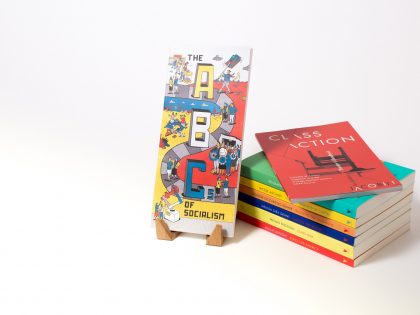
We have a bunch of important new books out, and this weekend we're offering them at solidarity rate.
Has the New York Times ever disavowed its condescending editorials on the Civil Rights Movement?
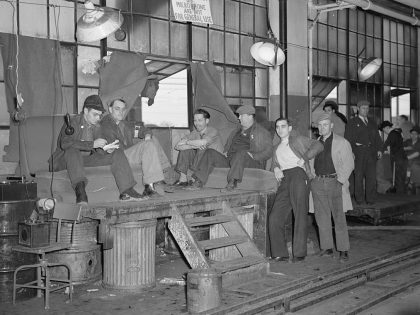
From iconic strikes at Goodyear to the battle against GM, episode 3 of Organize the Unorganized: The Rise of the CIO tells the story of transformational victories in rubber, auto, and steel that put the militant CIO on the map.
Utter the words “monetary policy” and many of us fall asleep. But that policy is crucial to how capitalists exert power. Instead of leaving it to the “experts,” socialists and the labor movement should demand a democratic say in what monetary policy looks like.

Addicted to territorial aggrandizement and encircled by enemies of its own making, Israel has freed itself of all moral constraints.
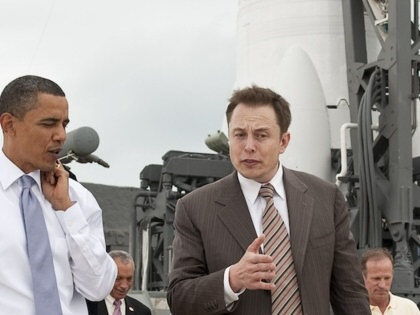
A growing share of world infrastructure is dominated by the eccentric, reactionary, annoying billionaire Elon Musk. He is, regrettably, a key figure to understand — which Ben Tarnoff and Quinn Slobodian set out to do in Muskism.
Family, nostalgia and the failure of formal-equality feminism.

The US-dominated economic order constructed after Bretton Woods did not take the Global South into consideration. A new, just system will have to change that.
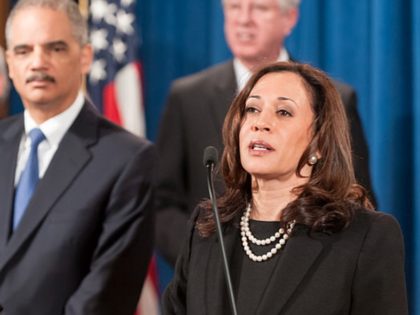
Kamala Harris has matched every one of her progressive achievements with conservative ones.
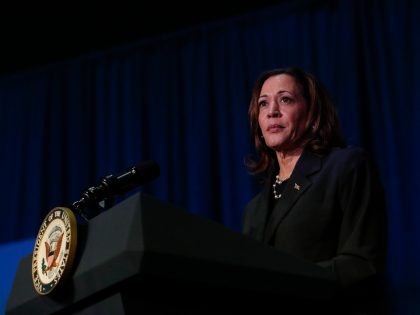
Kamala Harris appears likely to be the Democratic presidential nominee. A look back at her political career reveals a politician who matched every progressive achievement with a conservative one.
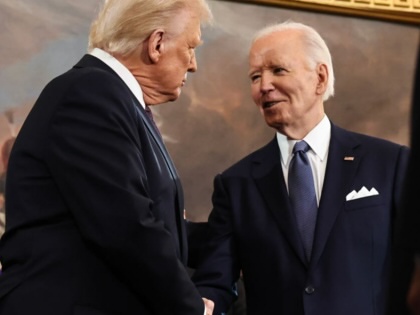
In a wide-ranging interview with Jacobin, economist James K. Galbraith discusses how neoclassical economic orthodoxy has badly distorted US policy thinking on everything from inflation to trade policy to the fertility crisis.

Economic crises have reshaped the modern world. Economic historian Adam Tooze tells Jacobin how the coronavirus pandemic will upend global politics and commerce for decades to come.
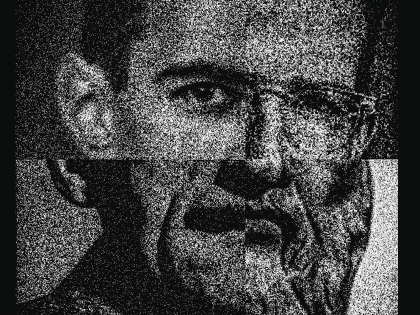
ChatGPT feeds on language, outputting texts that reinforce the basic assumptions of our culture. The rise of AI forces the Left to take a hard look at the politics of language and the linguistics of Noam Chomsky.
Green Party presidential candidate Jill Stein on her campaign and building an alternative to the two corporate parties.
Historians Eric Foner and Matt Karp on the international ambitions of the US slaveholding class — and the abolitionist movement that brought them down.
Why have so many films dealing with the Civil War embraced the Confederate struggle?
We talked to author and activist Cory Doctorow about his new book, Chokepoint Capitalism, copyright scams, surveillance capitalism, the lies of Big Tech, and the fight for the freedom to create.
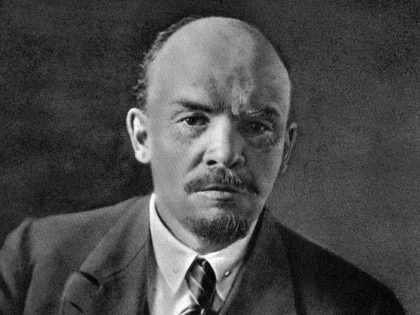
For poet Langston Hughes, Lenin was a symbol who “walked around the world” even long after his death. Paul Le Blanc talks to Jacobin about how to understand his complex legacy.