The Propaganda of Construction
The workers of Red Vienna struggled to secure their basic needs — through militant organizing and political power.
The workers of Red Vienna struggled to secure their basic needs — through militant organizing and political power.
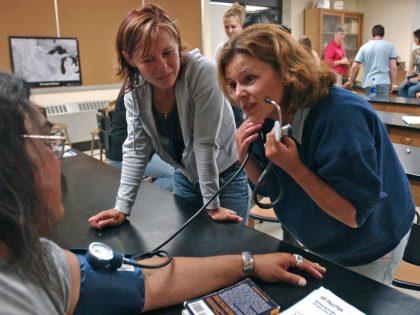
The National Health Service Corps has been placing primary care providers in working-class communities since 1972, though few have heard of it. We need to not only scale up the program but consider it a model for a health care system that puts people over profit.
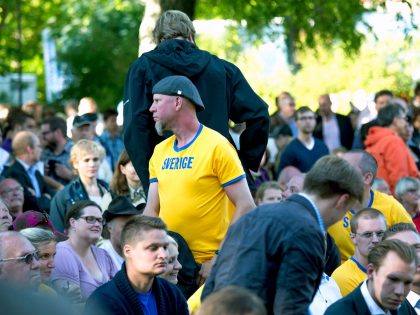
Sunday's election in Sweden shows how the decline of robust social-democratic guarantees can feed the rise of the far right.
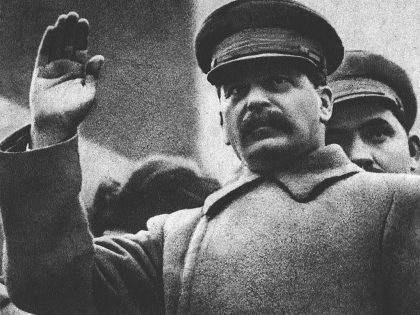
Generations of left-wing thinkers have fundamentally misunderstood the young Soviet Union’s New Economic Policy.
Trump’s assault on Medicaid highlights the cancer at the heart of the US welfare state: means-testing.
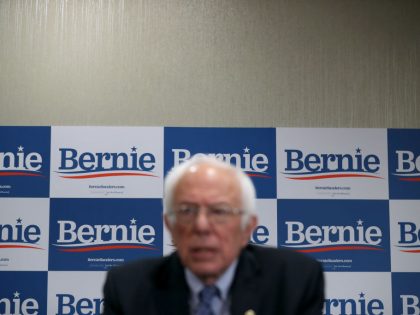
We talked to Bernie Sanders foreign policy adviser Matt Duss about the internationalism that animated the Vermont senator’s 2020 campaign.
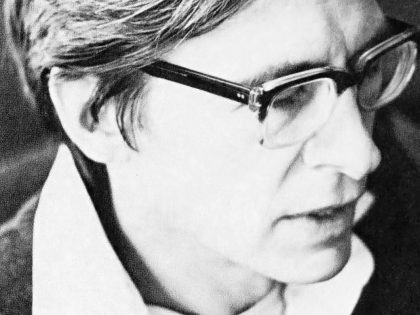
With his 1971 book A Theory Of Justice, John Rawls became the most influential political philosopher of his time — just as the liberal agenda he supported was retreating under conservative fire. A close look at Rawls can help us understand the fate of contemporary liberalism.
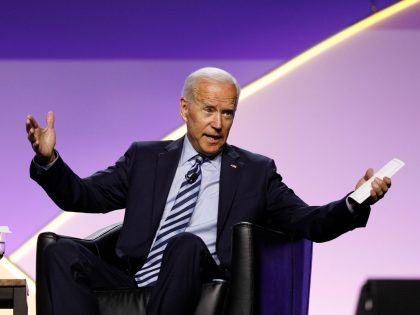
In his fight against Medicare for All, Joe Biden has taken up one of the oldest Republican scaremongering tactics: telling seniors universal coverage will threaten Medicare.
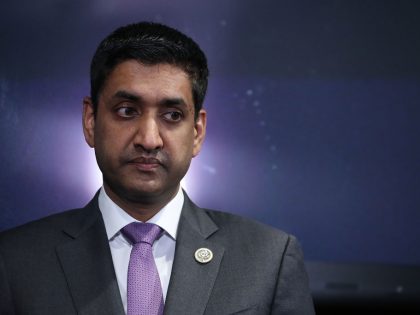
Ro Khanna is a progressive member of Congress from California. In an interview with Jacobin, he talks about the desperate need for public ownership of California's electrical utility PG&E, the fight for a Green New Deal, and why he's a co-chair of Bernie Sanders's 2020 campaign.

A new Netflix film, The Social Dilemma, would have us believe that increasing social division and polarized political rhetoric is the product of Facebook and Twitter, and not the fact that income inequality has returned to pre–Great Depression levels.
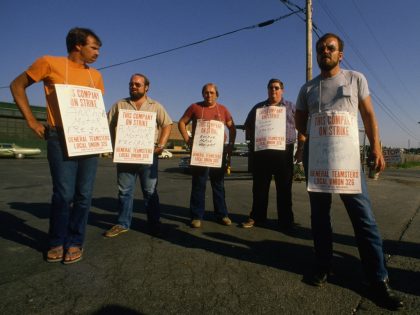
Emerging in the 1960s, power structure research — mapping who holds power in society, how those entities are connected, and how they use their resources to shape major decisions — has been an important weapon in civil rights, antiwar, and labor struggles.
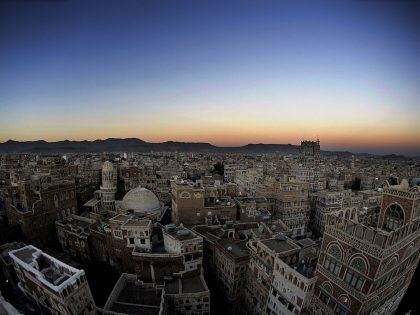
Thirty years ago today, Yemen united as one country in a mood of optimism about the future. Those hopes were to be cruelly disappointed, thanks to the destructive, self-serving record and rivalry of Yemen's political elites.
The question is no longer whether the working class matters, but how it can fight back.
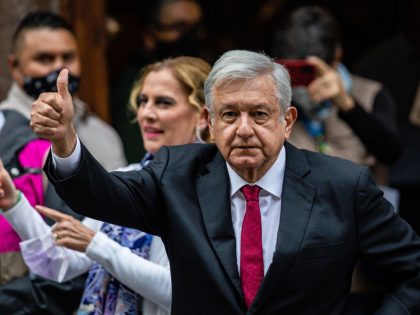
Andrés Manuel López Obrador’s governing MORENA Party won the midterm elections last month. Now in its second term, it must deliver on the transformative agenda its voters expect.

For decades, oligarchs like Real Madrid chairman Florentino Pérez have made Spain's old-age care sector a favored cash cow. Today, the coronavirus deaths caused by their penny-pinching are a grim monument to the failures of privatization.
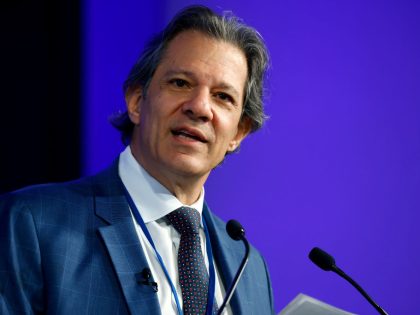
Positioned between major power blocs, Brazil sits at the center of debates on geopolitics, development, and the green transition. In an interview, left-wing finance minister Fernando Haddad assesses domestic political trends and Brazil’s place in the global economy.
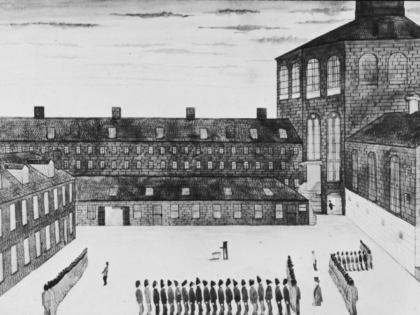
The American prison system is brutal and unjust. But the rhetoric of prison abolition won’t help us end its depravities.
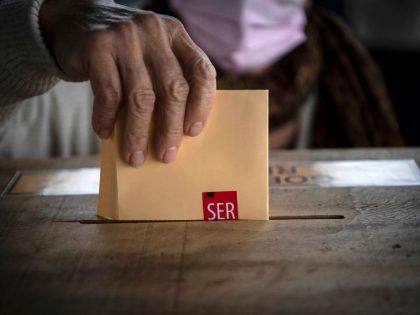
Chile voted for sweeping structural reform and an end to neoliberalism. It’s a repudiation of Augusto Pinochet and the economic regime he cemented in the country.
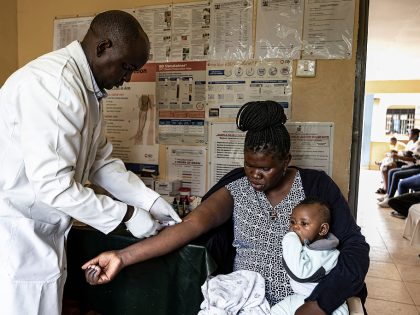
Years of IMF and World Bank reforms have created two-tiered health care systems across Africa. In Kenya, the private sector is out of reach for most, but public health care has been wrecked by budget cuts and the introduction of fees for many services.
How we define capitalism and think about its development shapes how we struggle to transcend it.