How John Rawls Became the Liberal Philosopher of a Conservative Age
With his 1971 book A Theory Of Justice, John Rawls became the most influential political philosopher of his time — just as the liberal agenda he supported was retreating under conservative fire. A close look at Rawls can help us understand the fate of contemporary liberalism.
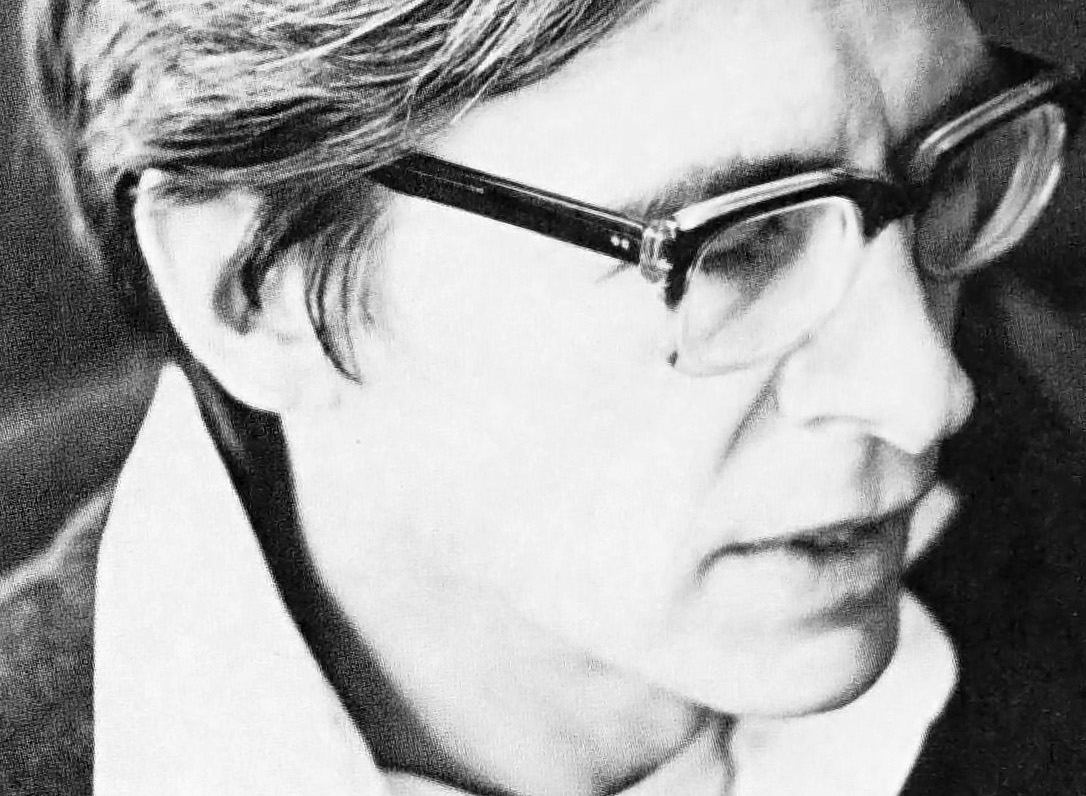
John Rawls, 1971. (Alec Rawls / Wikimedia Commons)
John Rawls (1921–2002) was the most important political philosopher of his age. His 1971 book A Theory of Justice, which offered a philosophical basis for liberal egalitarianism, also supplied the raw material for an entire “Rawlsian” school of thought. But the reputation of Rawls in the academic world grew just as conservative forces committed to fostering greater inequality were becoming dominant, especially in the Anglo-American countries where Rawlsian ideas were most influential.
Katrina Forrester is the author of an acclaimed study of John Rawls, In The Shadow Of Justice (2019). She spoke to Jacobin about the strengths and shortcomings of Rawlsian theory, the relationship between political philosophy and the politics of power, and the lessons socialists can learn from a critical engagement with liberalism.
Daniel Finn
For someone largely or entirely unfamiliar with John Rawls, how would you summarize his impact on political philosophy? Can you explain the concepts of the “original position” and the “veil of ignorance” as guides to political action?
Katrina Forrester