The Power of Power Structure Research
Emerging in the 1960s, power structure research — mapping who holds power in society, how those entities are connected, and how they use their resources to shape major decisions — has been an important weapon in civil rights, antiwar, and labor struggles.
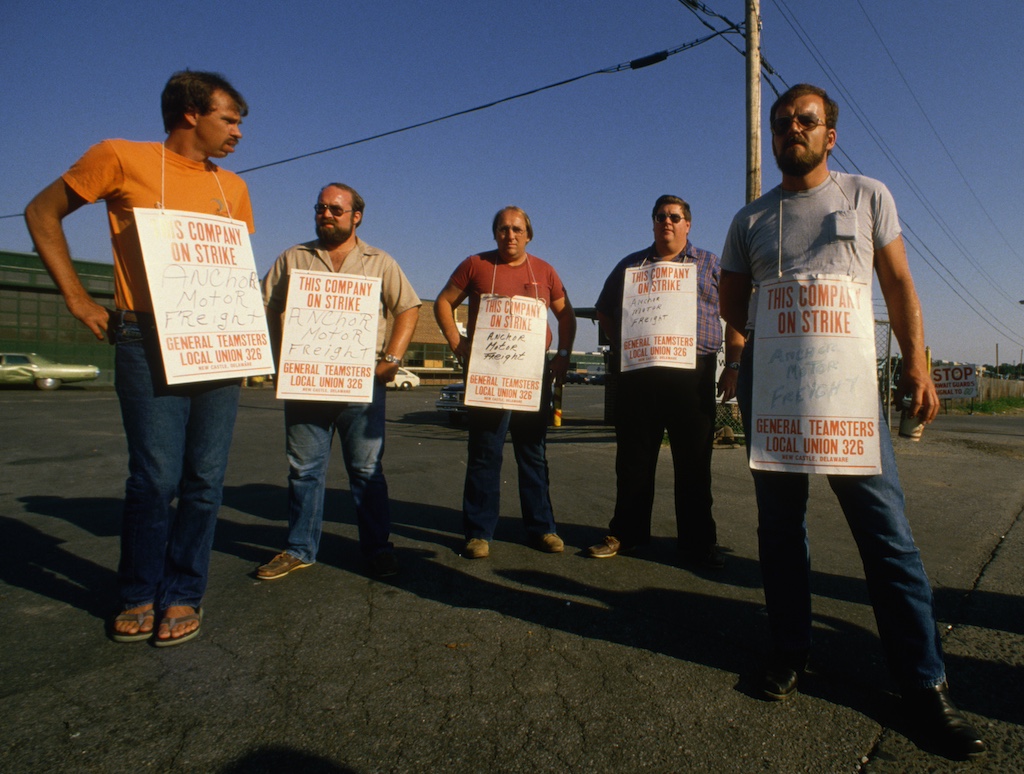
The corporate campaign strategy gave unions more power to get what they wanted, which was usually union representation and a good contract. (Leif Skoogfors / Corbis via Getty Images)
Today it’s almost taken for granted that activist campaigns and organizing drives, including within the labor movement, have some form of a power research component to help shape strategy and tactics. But this wasn’t always the case.
In the 1960s, power structure research — which maps who holds power in society, how those entities are connected, and how they use their positions and resources to shape major decisions and policies — was fairly new. Inspired by academics like C. Wright Mills and G. William Domhoff and early movement practitioners like Jack Minnis, movement power research gained traction through groups like the Student Nonviolent Coordinating Committee — or SNCC, the grassroots civil rights group that had a vibrant research department led by Minnis; National Action/Research on the Military Industrial Complex — or NARMIC, which functioned as a research wing of the Vietnam antiwar movement; and the North American Congress on Latin America (NACLA), which became a major early proponent of power research.
Since then, power research has gradually taken off, becoming a critical arm of a range of movements, campaigns, and union drives.