Austerity Unbroken
Syriza was elected a year ago today, only to retreat in the face of European pressure. Is there a way forward for the Greek left?
Syriza was elected a year ago today, only to retreat in the face of European pressure. Is there a way forward for the Greek left?
Workers must play a decisive role in Hong Kong’s Umbrella Revolution if movement demands are to go beyond political rights.
Shinzō Abe and Japanese ultra-nationalism can only be countered with a transnational movement of solidarity.
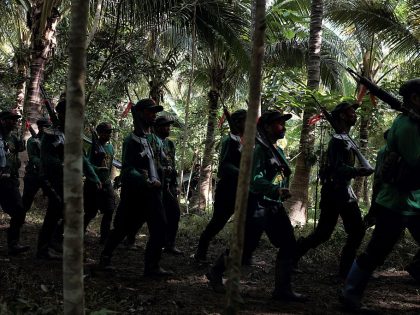
Communist Party of the Philippines founder José Mariá Sison on the legacy of armed struggle, peace negotiations with Duterte, and what a left economic program should be.
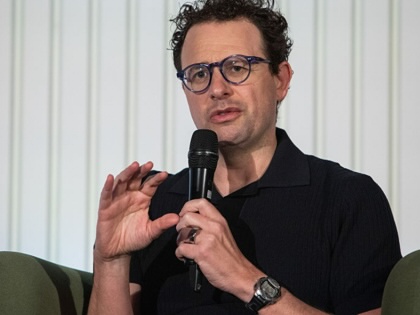
When the White House reportedly pressed Anthropic to pull a new model over the weekend, it looked like a clash between Washington and Silicon Valley. Instead, the episode revealed a growing consensus: AI is now a tool for great power competition.
The response to the Brazilian coup shows that the BRICS powers are not a real alternative to US imperialism.
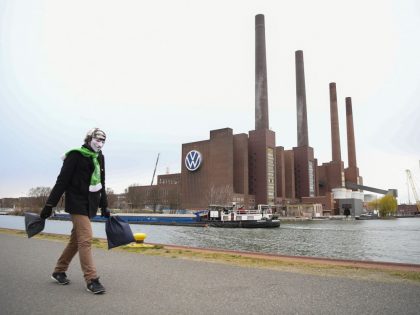
Faced with another global recession, many governments are responding with even stronger state interventions than they did in the 2008 financial crisis. But stimulus packages to prop up businesses must also pose the question of public control — not just bailing out corporations, but repurposing their operations to confront the disasters ahead of us.
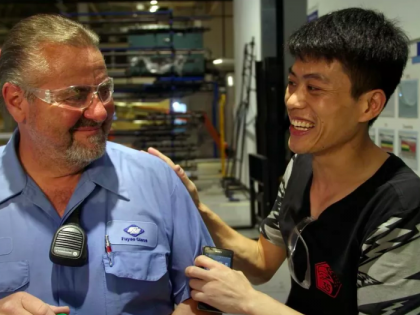
'American Factory' gives us some glimpses of a union-busting campaign in real time. But it shortchanges this story of class conflict for an apolitical one about a “clash of cultures.”

The FBI has historically served as a political police force, tasked not just with monitoring dissent but actively destroying it. Nowhere is that clearer than in their infiltration of the Left in the 1960s and ’70s.
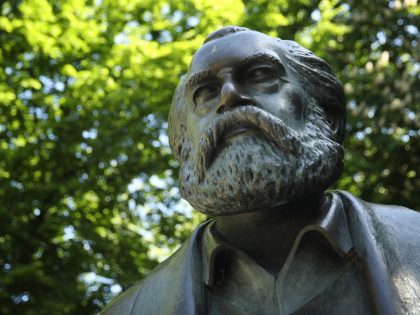
The financial crash didn’t kill off neoliberalism — it actually embedded its logic ever deeper in our lives. Marxist geographer David Harvey says the only way to end this system for good is to change how we fight it.
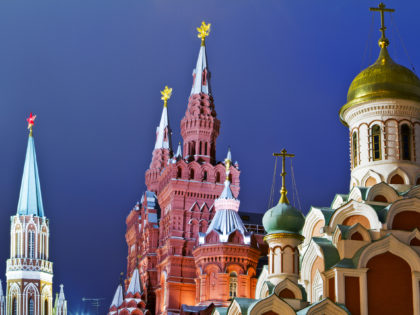
Throughout history, anti-communism has aided the forces of tyranny and reaction — not democracy and freedom.
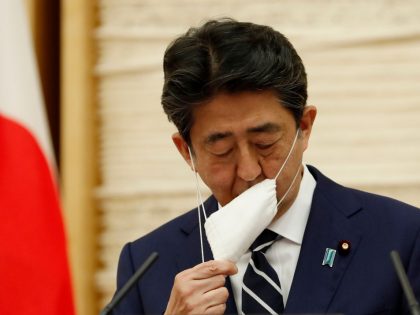
Abe Shinzo’s government was slow to respond to COVID-19, lagging behind neighbors like South Korea. The public health crisis has been worsened by the recklessness of Abe’s foreign policy, which relies upon an erratic US sponsor whose bases are a vector for spreading the disease.
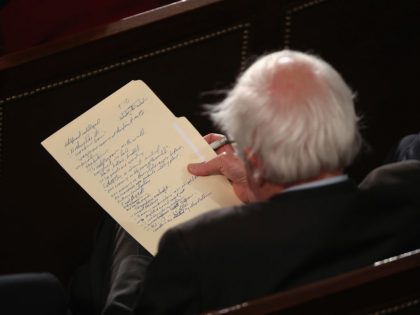
Our hopes for a socialist United States are constrained as much by US empire as they are by domestic capitalists. But democratic socialist candidates like Bernie Sanders can combat militarism in the service of workers across the world.
The Right's recent success in Venezuela shows how vital it is to reclaim and democratize Hugo Chávez's project.
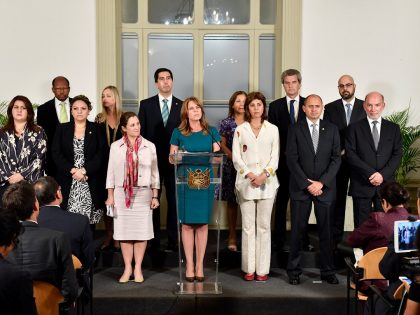
Across Latin America, the Right has swept to power. But its achievements pale in comparison to the Pink Tide — and it has no compelling vision for how to address the region’s challenges.
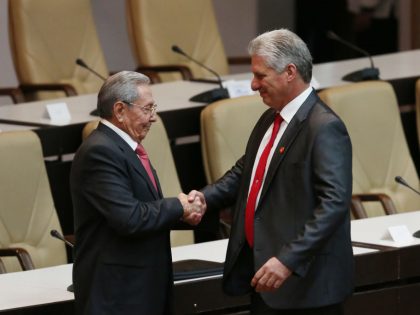
Cuba has a new president. No one knows how he plans to change Cuba — but it’s clear he’s got his work cut out for him.
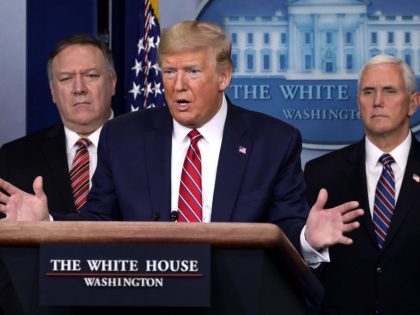
Even as Iran’s coronavirus death toll nears 5,000, US sanctions continue to bear down on the country’s health care system.
What would justice for those suffering under Indian occupation in Kashmir look like?
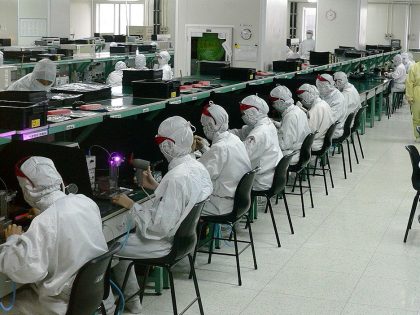
The claim that capitalism goes naturally with liberal democracy has never been more discredited. Today, capitalism’s liberal form is increasingly challenged by a statist authoritarian model — and in many places it’s buckling under the strain.