Our Fight for Survival
Ahead of COP21, confronting fossil capital is our only hope for averting cataclysmic climate change.

Ahead of COP21, confronting fossil capital is our only hope for averting cataclysmic climate change.

In the early stages of the COVID-19 pandemic, many hoped it would contain an inadvertent silver lining, in the form of reduced carbon emissions. But the real lesson of the past few months is now clear: we can’t stop global warming without radical systemic change.

In The Long Heat, Andreas Malm and Wim Carton take aim at what they call rationalist-optimists — people who naively believe that market solutions can fix the climate crisis. But their sweeping critique runs the risk of abandoning all hope in the future.

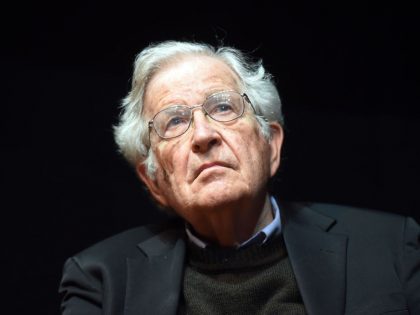
Noam Chomsky’s best-known political contribution is his powerful, long-running critique of US foreign policy. But Chomsky has also used his global platform to sound the alarm about the climate crisis and chart a path away from disaster.

Newly leaked documents show that ExxonMobil is planning a major increase in oil production, despite warnings from scientists about calamitous climate effects and the company’s own promises. We can’t keep relying on oil companies to regulate themselves — they need to be brought under democratic control.

Bill McKibben on capitalism and the state of the climate justice movement.

If we want a Green New Deal that can take on climate change, we need to challenge powerful business interests.

With the Amazon on the edge of collapse, climate pledges remain heavy on words and light on action. With progress stalling out on key issues like climate finance at COP29, delegates to COP30 in Brazil next fall have their work cut out for them.

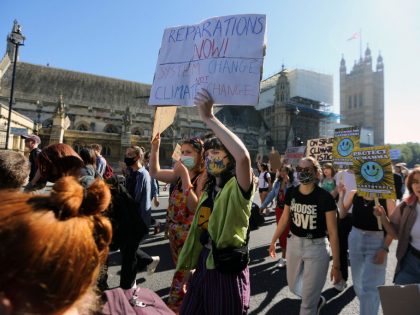
Students at hundreds of US schools walked out of class last Friday, joining thousands around the world to demand action against climate change. Despite the Trump administration’s destructive policies, at least one public institution seems to be getting it right: New York City public schools.

Hurricane Milton and other extreme weather events imperil not only people but also the US economic system, with insurance regulators trailing behind. You may be able to escape the flood, but the financial crises that follow will affect us all.

The Los Angeles fires threw schools into chaos, revealing their unpreparedness for the escalating challenges of the climate crisis. Schools need comprehensive disaster preparedness systems — not last-minute plans that put students and staff at risk.

We may be witnessing the first stirrings of a climate movement that’s big enough to tackle the coming disaster — and radical enough to name the system responsible for it.
Community climate-adaptation initiatives preserve and build on stark geographic inequalities.

As climate change disrupts migration patterns, animals and the viruses they carry will come into unusual contact with each other — and inevitably with humans, unleashing new pandemics. The only thing that can stop this unfolding nightmare is a mass movement.

The DNC has banned the Democratic presidential candidates from taking part in any debate on the most urgent issue of our time: climate change. The party’s fealty to plutocratic donors and centrist has-been politicians has never been more apparent.

Solving the ecological crisis requires a mass movement to take on hugely powerful industries. Yet environmentalism’s base in the professional-managerial class and focus on consumption has little chance of attracting working-class support.

The burden of market-based climate change solutions will fall on workers. We need strong state intervention.

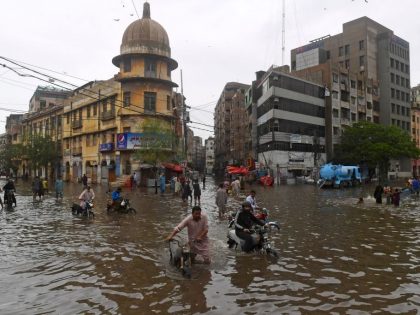
Pakistan is facing a twin crisis: climate-change-fueled floods that have displaced tens of millions and a crushing debt burden imposed by Western financial institutions. Pakistan’s debt should be canceled immediately.

The much-maligned Paris climate deal has the potential to transform capitalism — if we know how to use it.

Advocates for climate action should stop defending the rich.