
The Big Tech Deep State
Digital technology was sold as a liberating tool that could free individuals from state power. Yet the state security apparatus always had a different view — and now it’s taking back control of its own creation.
Digital technology was sold as a liberating tool that could free individuals from state power. Yet the state security apparatus always had a different view — and now it’s taking back control of its own creation.
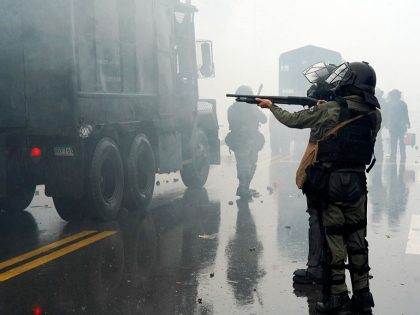
Panamanians have taken to the streets to protest neoliberal austerity, Canadian mining, and US military presence. Raúl Mulino’s right-wing government, closely allied with North American interests, has responded by arresting thousands.
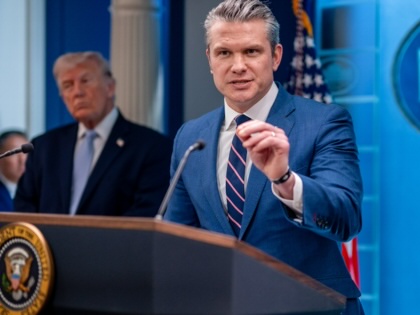
The Iran war seems irrational to the point of inexplicable madness. But stepping back and assessing who benefits from that madness can bring some clarity.
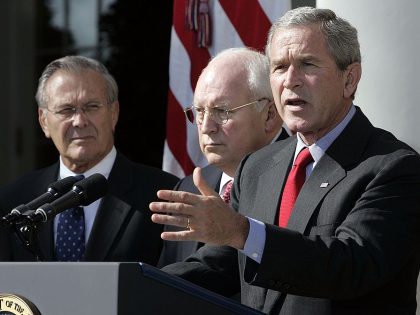
The Trump administration's recent bombing of Iran suggests that elites have failed to learn the lessons of the 2003 invasion of Iraq.
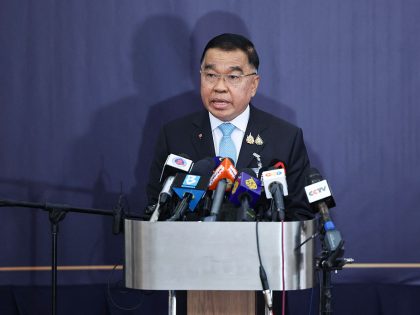
Thailand and Cambodia shocked observers by going to war last month. The destructive border conflict doesn’t stem from an upsurge of popular nationalism: the political elites in both countries needed a distraction to shore up their flagging legitimacy.
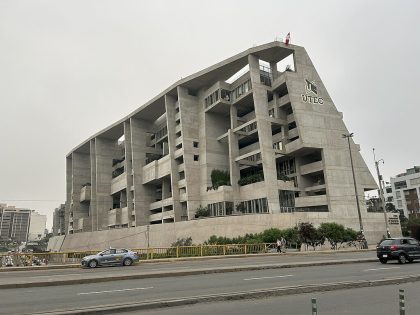
Not everyone is excited about the resurgence of brutalism. But the rise of neobrutalist projects shows how the polarizing architectural style can also be a pragmatic use of scarce resources.
Email us letters — we’ll print the fawning ones.
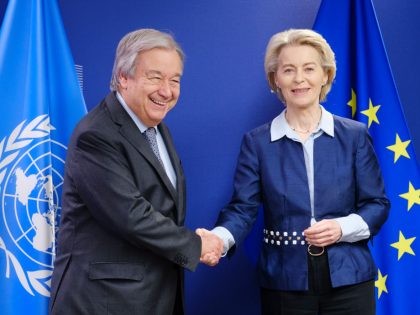
Liberals often explain today’s disorder as the work of authoritarians or populist agitators. What they miss is that the postwar consensus depended on conservatives, whose defection has left it in crisis.
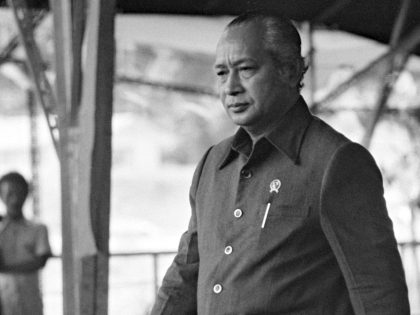
The US enthusiastically supported the 1965 military coup in Indonesia and the mass killings that followed. One key motivation was Washington’s desire to scupper a new international alliance that Indonesia’s leader, Sukarno, was in the process of building.
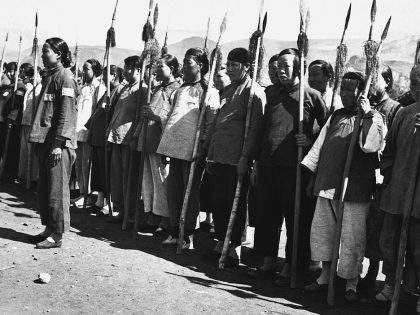
Japanese colonialism is infamous for its brutalization of women, abducted and forced into sex slavery. Less known is women’s role in fighting against the Japanese Empire, brilliantly brought to life in two recent novels.
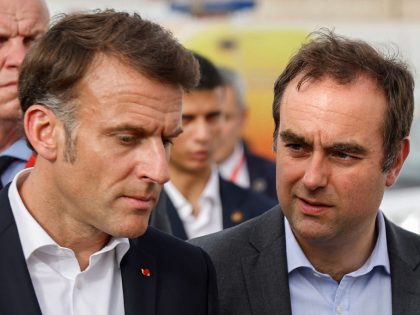
France’s new prime minister, Sébastien Lecornu, has had a rocky start. Yet as armed forces minister, he has already proved himself where it counts: loyally defending Emmanuel Macron’s austerity plans while pushing for ever higher military spending.
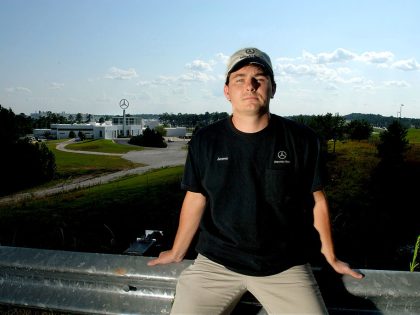
Jeremy Kimbrell was fired from his job at an Alabama Mercedes-Benz factory after playing a leading role in the UAW’s failed effort to unionize the plant in 2024. Jacobin spoke to him about his experience and the union’s ongoing fight to organize the South.

Politicians have long used red-baiting to win Asian American votes, assuming an aversion to anything labeled socialist. But Zohran Mamdani’s primary triumph in Asian immigrant neighborhoods suggests that economic populism can overcome ideological baggage.
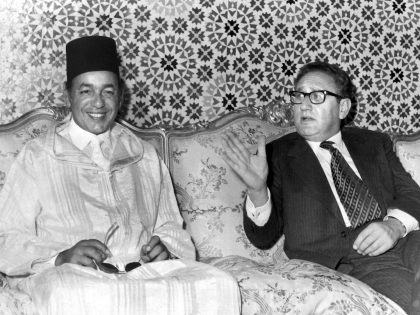
Morocco has illegally occupied Western Sahara for half a century. From Henry Kissinger to Donald Trump, US government officials have worked tirelessly to help the Moroccan monarchy maintain its oppressive rule over the Sahrawi people.
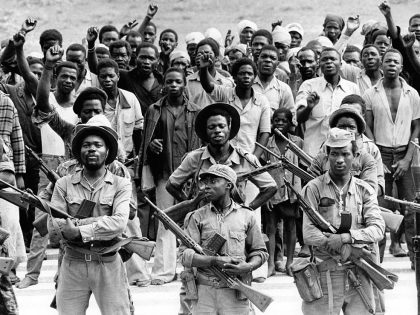
Fifty years ago today, Angola gained its independence after centuries of Portuguese domination. But US officials like Henry Kissinger were already working hard to orchestrate a devastating proxy war that snuffed out the hopes of national liberation.
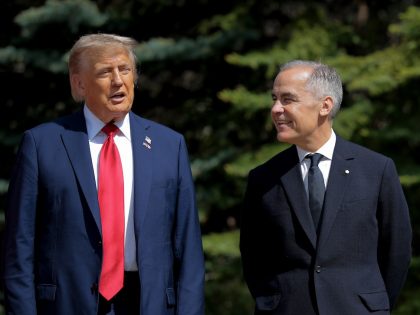
Canada’s new declarations of independence disguise continued economic and cultural reliance on its threatening neighbor. From Mark Carney’s trade diplomacy to the literati’s self-congratulation, Canada can’t imagine a freedom that isn’t defined by the US.
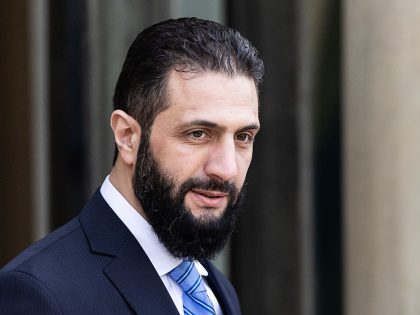
Syrian president Ahmed al-Sharaa was just welcomed to Donald Trump’s White House. His visit represents Washington’s embrace of a sectarian government with little respect for democracy.
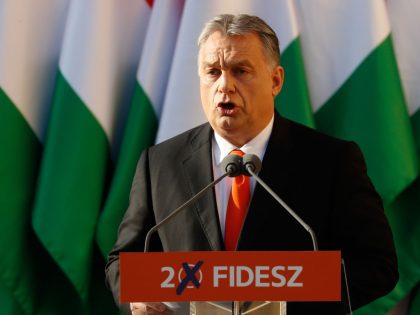
Right-wing nationalist governments in Hungary and Poland only made a selective break with neoliberal economics after the 2008 crash. Their goal was to strengthen domestic capital against foreign competitors without doing anything to empower workers.
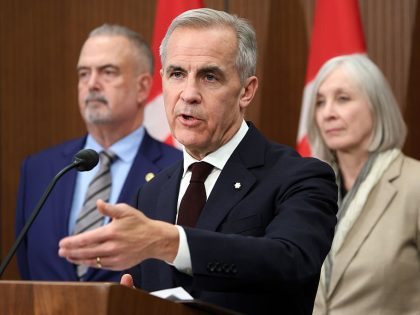
Canadian prime minister Mark Carney is touting a trade deal with the UAE. Behind the talk of investment and partnership lies a trade agenda that weakens rights protections, boosts natural gas, and reinforces one of the world’s most repressive states.
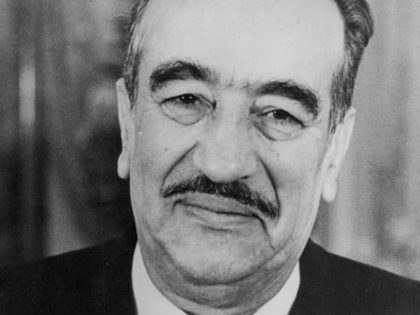
Khalid Bakdash became the first communist MP in any Arab country when he was elected to the Syrian parliament in the 1950s. Bakdash’s party was once a major political force, but it faded into irrelevance after forming a coalition with the ruling Baʿathists.