How the US Intervened to Sabotage Angola’s Independence
Fifty years ago today, Angola gained its independence after centuries of Portuguese domination. But US officials like Henry Kissinger were already working hard to orchestrate a devastating proxy war that snuffed out the hopes of national liberation.
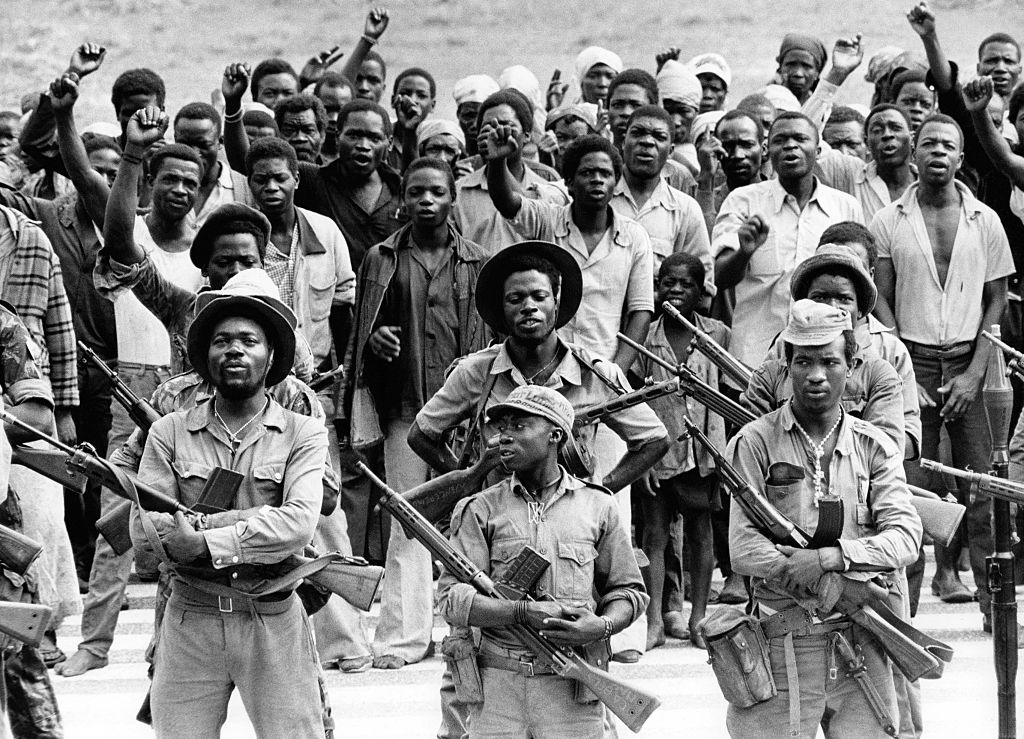
The United States would do well to remember that Washington’s intervention was one of the major factors that crushed Angola’s prospects for establishing a successful democracy and a development plan that privileged the needs of the majority over those of the minority. (Pressens Bild / AFP via Getty Images)
November 11, 2025, marks the fiftieth anniversary of Angola’s independence, ending more than five centuries of Portuguese domination. The independence struggle had been long and bloody, marked by outside intervention that turned Angola into a Cold War battleground.
In this regard, Angola was not alone. In the aftermath of World War II, African independence movements sprang up in French, British, and Belgian colonies, where civilian populations had been forced to support the European war effort. In exchange for their sacrifices, they demanded political rights, better living and working conditions, and eventually complete independence.
By the early 1960s, France, Britain, and Belgium were forced to concede. They granted political independence to most of their colonies in exchange for economic privileges that provided them with the same benefits but without the hassles and expense of political control.