Eric Hobsbawm (1917–2012)
Marc Mulholland on the death of the twentieth century’s greatest historian.
Marc Mulholland on the death of the twentieth century’s greatest historian.
A modest proposal.
The images of genuine popular self-determination in the streets of Kiev are empty ones.
Was the mid-century dominance of southern Democrats essential to the defeat of Hitler and the triumph of American democracy?
Anticapitalism isn't simply a moral stance against injustice — it's about building an alternative.
Netanyahu’s attempt to shift the burden of Nazi atrocities to Palestinians is nothing new.
Austria’s far-right Freedom Party has deployed populist rhetoric to swell its base. Now the party is eyeing state power.
Syriza needs mobilized support to defeat its creditors — and the far right.
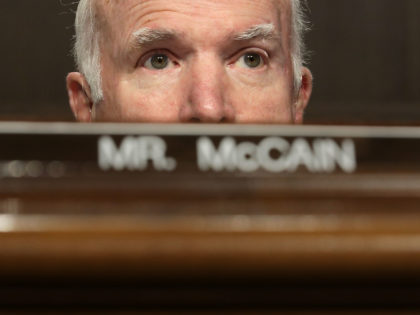
Republican grandstanding against Trump while backing nearly all of his policies isn’t resistance — it’s just a cynical PR move.
The Trans-Pacific Partnership is about expanding US hegemony in East Asia.
Corruption is only the beginning. FIFA has tarnished the beautiful game with its relentless pursuit of profits.
The obsession with eating natural and artisanal is ahistorical. We should demand more high-quality industrial food.
The catastrophic civil war in Syria has only been worsened by international powers.

Socialism isn't about inducing bland mediocrity. It's about unleashing the creative potential of all.
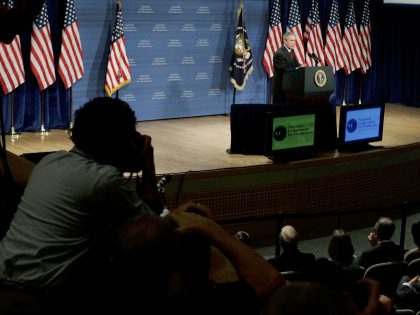
The National Endowment for Democracy is a vehicle for Putin-style foreign meddling. Yet some liberals are now bemoaning Trump’s assault on the organization.
In its formative years, the Communist Party was pushed by the Comintern to organize against racism.
The Left in Europe and beyond faces enormous challenges. What kind of political strategy do we need going forward?
The success of Poland’s right-wing Law and Justice Party is alarming, but there is room for left alternatives to grow.
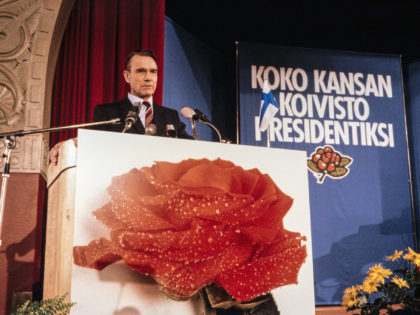
The Finnish welfare state is being eroded, and the far right has gained momentum. As the country turns one hundred, what's happened to Finland?
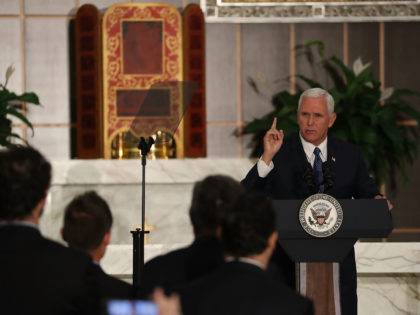
The situation in Venezuela is complicated. But we should all agree on one thing: the US has no business intervening.