The Conversion of Georg Lukács
Born-again communist, Hungarian revolutionary, Marxist heretic — Georg Lukács was condemned from all sides during his time. Perhaps that's why he's perfect for ours.
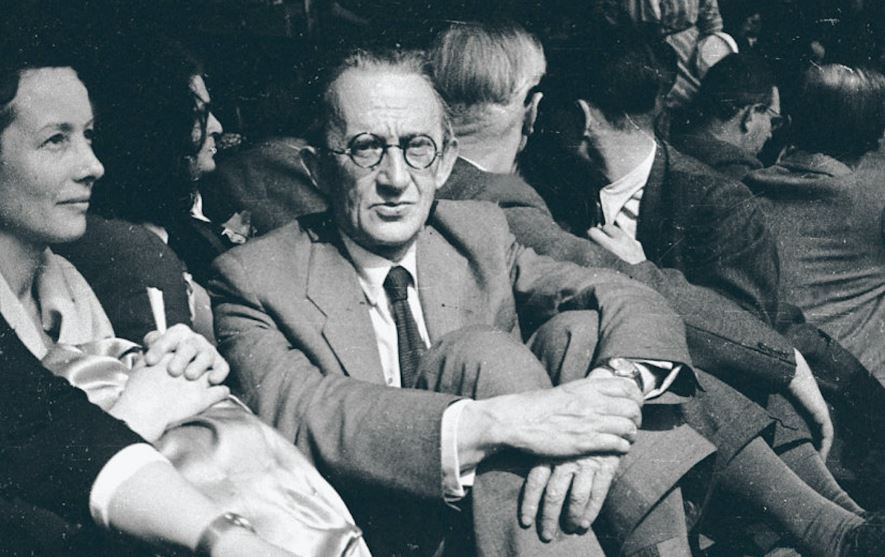
Georg Lukács. Wikimedia Commons
These were the words with which Georg Lukács announced his conversion to communism. They were penned a little over one hundred years ago, as a modification of an earlier essay in which he had declared the opposite: that Bolshevism is unconscionable because it sanctions sin.
This conversion — in the words of one of his friends, Anna Lesznai, from “Saul to Paul” — inaugurated a decade in which Lukács revolutionized Marxist philosophy. In the process, he emerged as perhaps the most profoundly philosophical Marxist since Marx himself.
Prior to his socialist conversion, Lukács, born the son of a banker in Budapest, already enjoyed a literary reputation. But from what did he convert? It’s difficult to say. Within his pre-Marxist writings, numerous radical themes compete for space.