Lessons From the Arab Spring
Far from ending in defeat, the Arab Spring inaugurated a long-term revolutionary process in the Middle East.
Far from ending in defeat, the Arab Spring inaugurated a long-term revolutionary process in the Middle East.

Elizabeth Warren has a new bill that pledges to “green” the military. But it would neither attack climate emissions nor scale back the US's enormous footprint around the world.
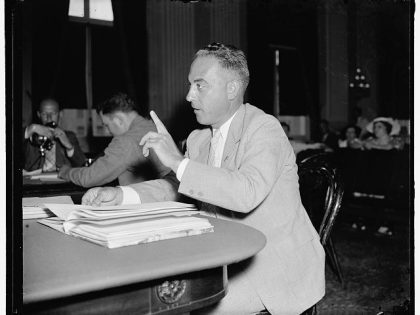
The American Legion was created not as a space for former soldiers to meet and swap stories, but to bring together shock troops of the counter-revolution — an authoritarian mass movement of combat veterans.
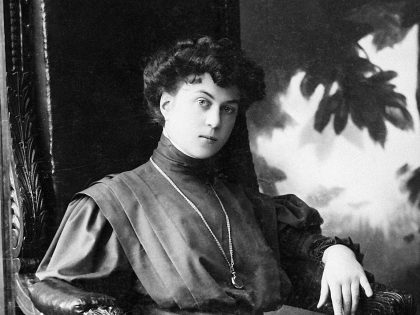
Alexandra Kollontai and her comrades founded the Zhenotdel in 1918 in order to ensure women’s full participation in Soviet society. Its efforts to liberate women in Muslim Central Asia showed the revolution’s emancipatory promise — and the dangers of imposing change without the active support of the oppressed.
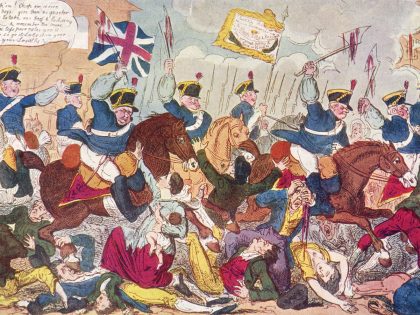
For centuries, working-class people have been sent to die in wars for empire. The rich history of soldier revolt isn’t just about foreign policy — it’s about breaking the power of the mighty in society as a whole.
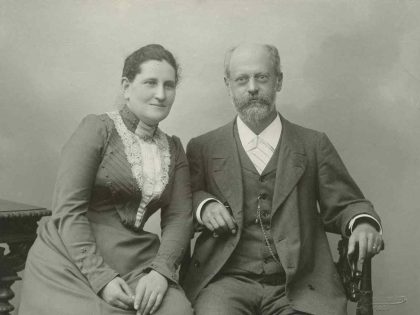
Lenin’s famous denunciation of Karl Kautsky as a “renegade” has long discouraged Marxists from actually engaging with the German-Austrian socialist’s writings. But if the Bolshevik leader sharply criticized Kautsky’s retreats, this was also because of his great admiration for his earlier work — a revolutionary Marxism that lay decisive stress on the battle for democracy.
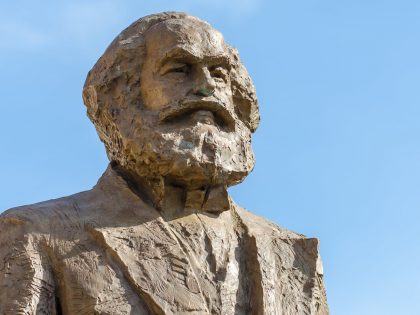
Reading Marxist theory isn’t just for highfalutin academics — just ask the millions of workers whose ideas about the role they could play in changing the world were transformed by both study and practice.
Before Donald Trump, there was Father Charles Coughlin, who popularized fascism for Americans in the 1930s.
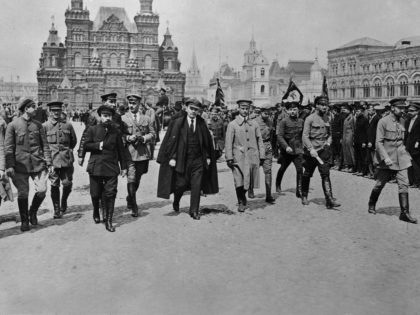
The story of November 7, 1917 — the day the Bolsheviks changed world history.
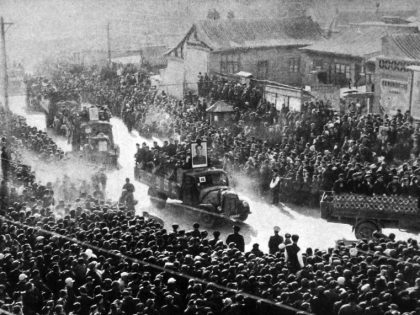
We’ve heard for decades that socialism has a body count. But how does it compare to capitalism? Mike Davis discusses Stalin, Mao, and the staggering holocausts of capitalism’s nineteenth-century heyday.
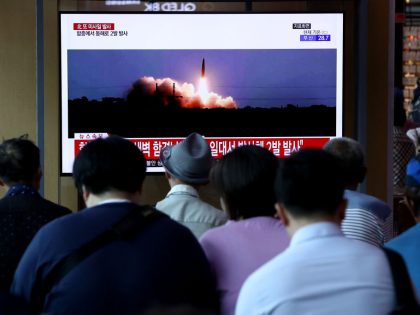
The New York Times and other establishment outlets like to paint North Korea as an irrational actor hell-bent on destroying the United States. But you can’t understand North Korea’s nuclear program without talking about US militarism.
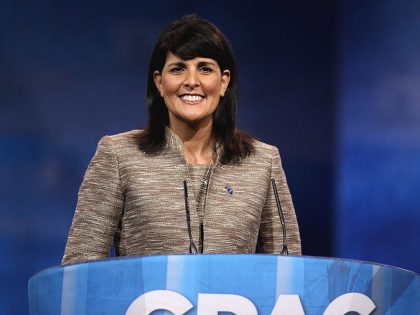
After resigning as UN ambassador, Nikki Haley was hailed as a moderate voice in Donald Trump’s administration. That's absurd: she was just as belligerently pro-war as the rest of Trump’s appointees.
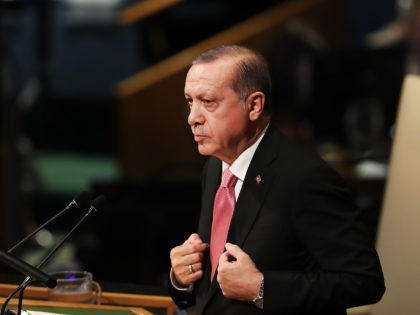
Erdoğan’s would-be dictatorship is anything but stable. Here's a look at the contradictions and fractures roiling Turkish society.
Marxist historian Vijay Prashad talks about his new book Washington Bullets and the history of US-backed coups, from the post–World War II period to the recent successful right-wing coup in Bolivia.

HBO's Chernobyl isn’t the show this event deserves.
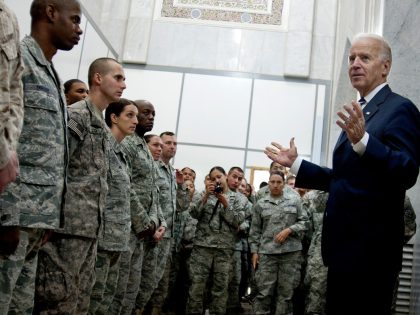
If you’re looking for a president with a track record of boosting foreign intervention, expanding the surveillance state, and steadfastly backing Israel despite its war crimes, Joe Biden is your guy.

Liberals are using Russiagate to gin up nationalist fervor and anti-Russian paranoia. It'll only backfire.
When the White House reportedly pressed Anthropic to pull a new model over the weekend, it looked like a clash between Washington and Silicon Valley. Instead, the episode revealed a growing consensus: AI is now a tool for great power competition.
Freeing Greece from its neoliberal straitjacket will require exiting the euro.
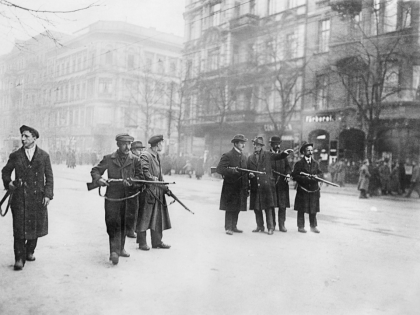
The November Revolution of 1918 replaced Germany’s monarchist regime with a parliamentary system. But its Social Democratic leaders made a pact with the old ruling class to repress the left-wing radicals who wanted to go further, crippling the new Weimar Republic from the start.