Ten Proposals to Beat the European Union
A collective document from across the European left on how to challenge the EU's stranglehold on economic and social justice.
A collective document from across the European left on how to challenge the EU's stranglehold on economic and social justice.

Wealth is socially created — redistribution just allows more people to enjoy the fruits of their labor.

Utter the words “monetary policy” and many of us fall asleep. But that policy is crucial to how capitalists exert power. Instead of leaving it to the “experts,” socialists and the labor movement should demand a democratic say in what monetary policy looks like.
Popular resistance can turn water from a source of profits to a base for anticapitalist organizing.

With local and national elites indifferent to working-class struggles over the costs of housing, childcare, groceries, and more, socialist New York City mayoral candidate Zohran Mamdani is finding success by putting affordability at the heart of his campaign.
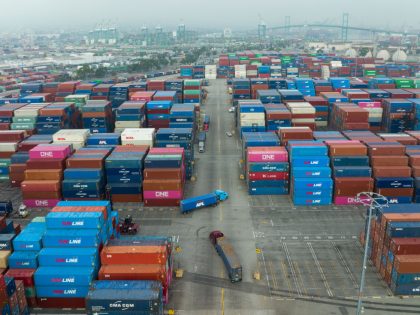
Logistics companies are reportedly engaged in illegal union busting at the LA and Long Beach ports — including by misclassifying employees as independent contractors. The NLRB wants the employers to reclassify drivers and compensate them for lost income.

State socialism was proof: when women have economic independence from men, they don’t stick around in bad relationships.

Despite the Right’s surprisingly strong showing in Chile’s first-round elections, socialist Gabriel Boric is still favored to win the presidency tomorrow. But the Left needs to be laser focused on a broad working-class agenda to fully roll back neoliberalism.
A plan for rational improvements to the city of Los Angeles.

The midterms offered mixed results for affordable housing advocates. But one thing is clear: rent control is back on the agenda.

The New Deal solidified capitalist democracy in the United States. The country has swung between hints of social democracy and free market absolutism ever since.
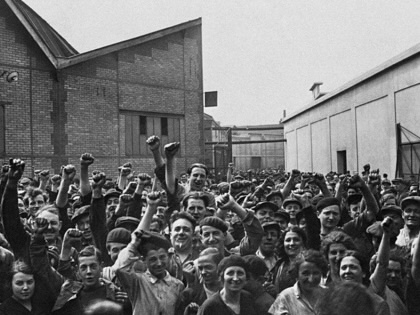
Socialists need more than a critique of capitalism. We need a concrete account of how a socialist economy could work — and make ordinary people’s lives better.

It is indefensible that people should have to fear eviction during a health crisis. Coronavirus calls for emergency controls on the housing market now.

Vilfredo Pareto once observed that history was a “graveyard of aristocracies” as ruling elites gradually become decadent, depraved, and dysfunctional. The contemporary United States is a disturbingly neat fit for Pareto’s model.
Evo Morales’s presidency made real gains for working people. But could it have charted a more radical course?

Mainstream economics argues that the tax system is the best tool for reducing economic inequality. In fact, “predistributive” measures like minimum wages and collective bargaining can be equally or more effective.

Jean-Baptiste Fressoz’s dizzying history of energy consumption argues that no energy transition has ever occurred: each generation consumes more of past fuels. Not only are his claims ahistorical but they justify an unwarranted pessimism about the future.

The post office can offer financial services that private banks won’t. In fact, it's done it before.

Newly elected Argentine president Javier Milei outlined his radical libertarian vision at Davos. During his speech, he made it clear that any opposition to his free-market utopia would be crushed by authoritarian means.
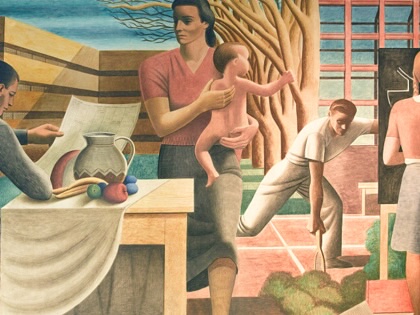
Karl Marx’s anti-utopian line is often used to avoid discussion about what socialism would be like. But engaging in the nuts and bolts of how a postcapitalist economy might work is also necessary, to make it more than a distant dream.