
Don’t Just Nationalize AI. Democratize It.
Public ownership of AI is no guarantee of democracy. We need democratic public ownership to prevent elites from maintaining control of the technology.
Michael A. McCarthy is an associate professor of sociology and director of community studies at the University of California, Santa Cruz.
Public ownership of AI is no guarantee of democracy. We need democratic public ownership to prevent elites from maintaining control of the technology.

The capitalist financial system blocks democratic control over investment by its very nature. We need a new model of democratic finance that can address our urgent social and environmental needs.

Last week, Kamala Harris unveiled a woefully inadequate plan to increase investment in industry through tax credits. Workers’ pension funds hold billions in savings that could fund green energy and affordable housing, if only they were democratically run.

The failed Amazon union drive in Alabama is a stark reminder of a basic fact of life under capitalism: it’s always easier for bosses to destroy a fledgling unionization effort than it is for workers to get together and fight for their own interests.

Bromides about a V-shaped economic recovery after the pandemic just distract us from the size of the task that we face. We were already headed for crisis before COVID-19 — only a far-reaching reorientation of the economy can stave off social collapse.

Even if Bernie Sanders — or any other democratic socialist — had an electoral majority for our political revolution, we would have to contend with the power of capital. Investment strikes, capital flight, and the power of finance could turn the euphoria of victory into a disaster unless we have a plan to confront them.

Alex Brower is a member of the Democratic Socialists of America and a teachers’ union president running for comptroller in Milwaukee. In an interview, Brower explains how he wants to municipalize his city’s energy provider, create a public banking system, divest his city’s pension funds from fossil fuels, and more.

If Bernie Sanders wins the presidency, he’ll confront numerous obstacles to his agenda. To overcome those obstacles, we need a strategy to take on capital, especially Wall Street — and we need to start thinking about that strategy right now.

Martin Hägglund’s This Life deftly weaves religion, philosophy, and political economy to produce a moving vision of a socialist ethos. But it fails to grapple with the problems that will attend the journey beyond capitalism.

This week, Bernie Sanders proposed creating worker-owned funds that put more profits and control in the hands of workers rather than executives. Such funds could be transformational — if we can stop corporations from weakening or destroying them.
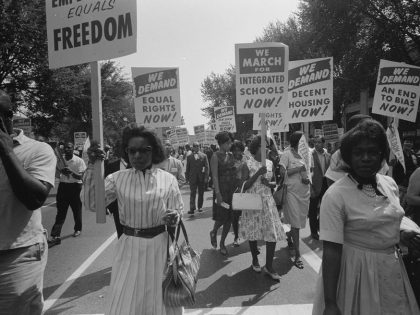
Defenders of capitalism say that socialism will squelch minority rights. But the only minority groups we seek to unseat are those who trample the rights of others.

Social democracies like Norway show that more humane, equitable, democratic societies are possible. But democratic socialists want to go beyond them.

Socialism is having a moment in the sun. It's a chance to push a bold, transformative vision of what a society for the many rather than the few can look like.
The American pension crisis helps corporations maintain a precarious, easily exploitable workforce.
Capitalism routinely creates crises for the working class. To transform society, we need to create a crisis for capitalists.
To defeat Trump's nightmarish vision, we can't keep clinging to liberalism's dead or dying ideas.
The post-crisis class interests of small business sit comfortably next to the xenophobia of the alt-right.

Federal Reserve policies did more to smash the power of American workers than Ronald Reagan’s union busting.

Wealth is socially created — redistribution just allows more people to enjoy the fruits of their labor.
The failure of unions to gain control over their pension funds gives insight into corporate-controlled finance and the obstacles to democratizing it.