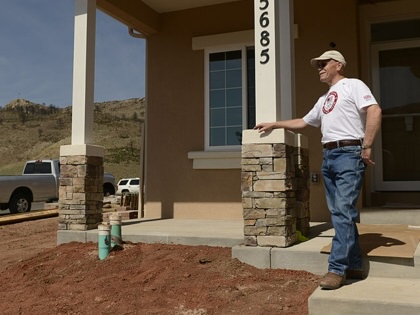
Socialize All Housing
People are right to want control over their homes and their futures. Socialized housing, not private ownership, can make that promise a reality for everyone.
Bhaskar Sunkara is the founding editor of Jacobin, the president of the Nation magazine, and the author of The Socialist Manifesto: The Case for Radical Politics in an Era of Extreme Inequality.
People are right to want control over their homes and their futures. Socialized housing, not private ownership, can make that promise a reality for everyone.
Socialists need more than a critique of capitalism. We need a concrete account of how a socialist economy could work — and make ordinary people’s lives better.
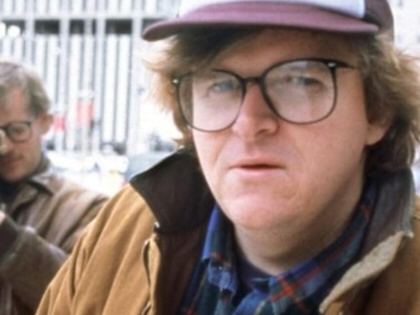
In 1986, Michael Moore didn’t want to run Paul Berman’s article on Nicaragua. Getting pushed out of Mother Jones turned out to be the best thing that ever happened to his career.

We can take antisemitism seriously without making communal identity the organizing principle of public life.
Democracy should not end when the workday begins. Workers deserve a say over how their workplaces are run — and a claim on the wealth they create.
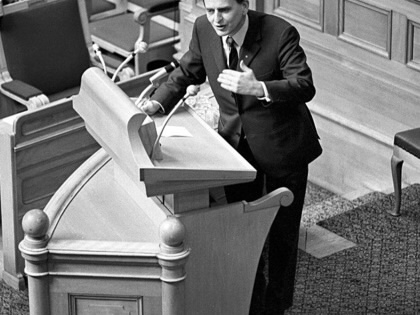
Social democracy transformed the 20th century, giving working people a share of wealth and power their grandparents could scarcely imagine. But the movement that set out to overcome capitalism ultimately struggled to defend what it had won within it.
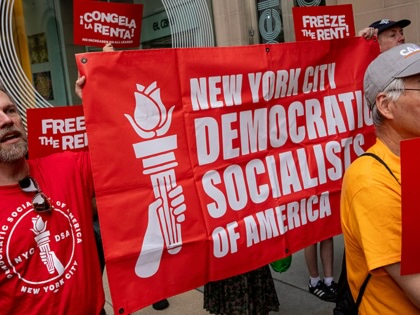
Jonathan Chait’s Atlantic essay claims the Democratic Socialists of America has betrayed the legacy of its founder, Michael Harrington. It gets DSA’s history, and what the organization is today, wrong.
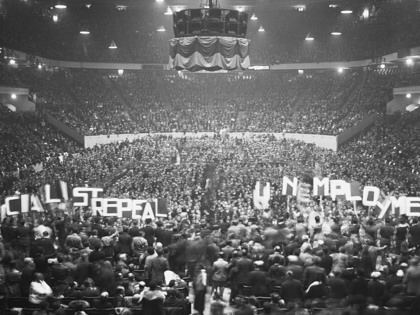
The era of class compromise is never coming back. Any serious democratic socialist politics must pursue a politics of rupture with capitalism.
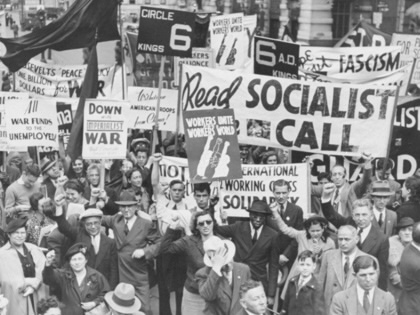
Bhaskar Sunkara reflects on the rise, defeat, and possible renewal of socialism — and on the generations of ordinary people who fought to build a world beyond class domination.

Socialism cannot mean merely managing capitalism more fairly. It must point toward a society where survival is no longer contingent on the market — and where democracy extends into the economy itself.

A former Venezuelan diplomat speaks to Jacobin about how the state, military, and popular forces are responding to US military aggression — and what comes next.
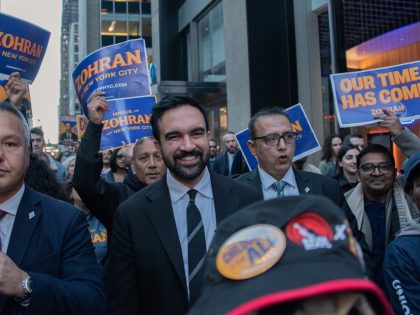
If Zohran Mamdani is serious about delivering on his promises, he needs more than policies — he needs institutions that empower working people. Popular assemblies offer a way to build a new, bottom-up political culture in New York City.
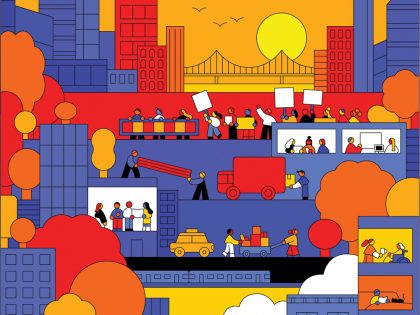
The hard part is over. The harder part is about to start.
“When the state can’t deliver, people stop believing in collective solutions altogether.”
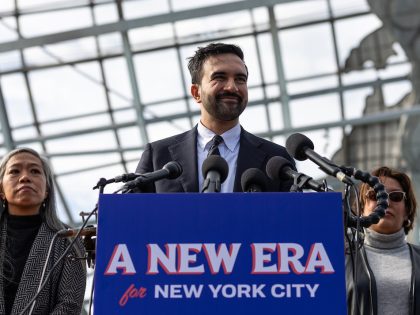
Zohran Mamdani’s mayoralty will be a fight for what’s winnable right now. Our job is to let that fight expand, not narrow, our horizon — and to keep alive the goal of socialism in our time.

Ezra Klein talks with Bhaskar Sunkara about Abundance, Zohran Mamdani’s victory, and why progressives need a state that works at the speed of their ambitions.
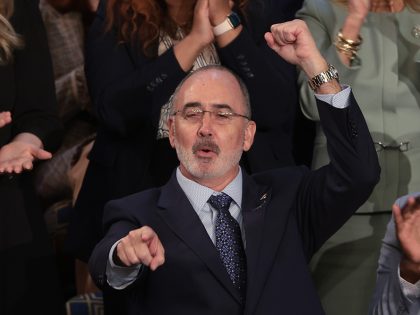
United Auto Workers president Shawn Fain lays out the union’s vision for rewriting trade rules, raising wages across North America, and challenging the race to the bottom.

The farcical spat that has riven Jeremy Corbyn and Zarah Sultana’s “Your Party” exposes a Left increasingly focused on itself rather than on the class it aims to mobilize.

A new national poll shows democratic socialism has made enormous strides over the last decade. But to grow beyond blue strongholds, its champions will need to continue to anchor campaigns in bread-and-butter economics.

Here’s why we still publish.