
Organizing the Void
The new left in Europe and North America hasn’t made the transition from being a symptom of democratic crisis to offering an effective cure for it.
The new left in Europe and North America hasn’t made the transition from being a symptom of democratic crisis to offering an effective cure for it.
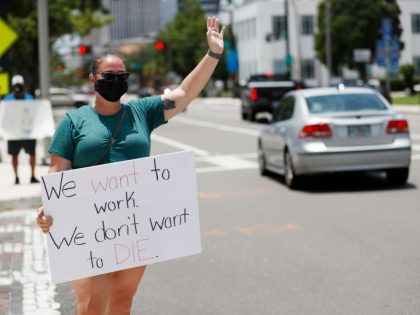
At the height of the coronavirus pandemic, the American working class faced a paradox: workers were told they were “essential” and touted as “heroes,” yet they were often treated as sacrificial lambs.
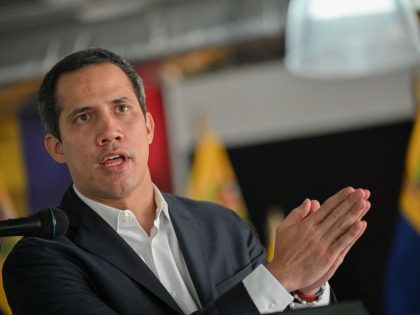
Juan Guaidó was supposed to be the appealing, human face of US-backed regime change in Venezuela. His ouster as “interim president” this week is another signal that those efforts have failed.

The riots in Brazil have drawn Jan. 6 comparisons, but they’re even more reminiscent of a different episode: the Bolivian coup that liberals misguidedly backed. Another big difference from Jan. 6: Brazil is actually prosecuting its high-level coup plotters.
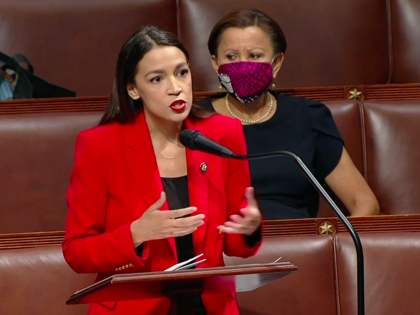
Alexandria Ocasio-Cortez’s blistering speech yesterday powerfully connected her experience of sexism with the broader issues of patriarchy and workplace harassment. It was proof, once again, that it’s very nice having democratic socialists in office.
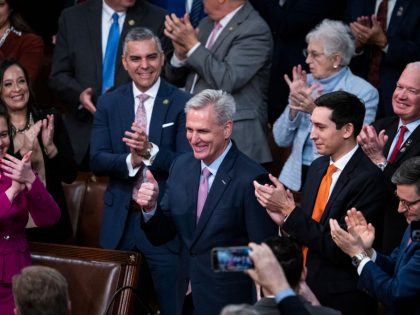
Republicans don’t have enough power to pass anything on their own. But they still have plenty of power to cause chaos and, depending on how Democrats react, force terrible budget cuts on the country.
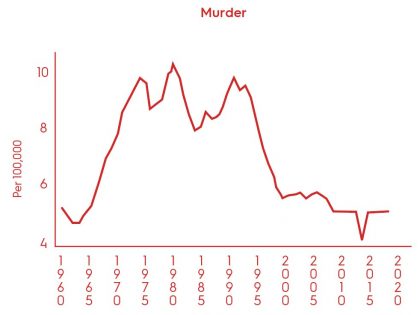
The United States managed its violence on the cheap — through police and prisons instead of social welfare.

Despite what major news outlets say, Florida governor Ron DeSantis's attack on public schools is not the driving force behind his popularity. His recent success can be chalked up to a GOP-led voter registration effort and record-breaking campaign funds.

Donald Trump wants to suppress the vote, and Pennsylvania Republican lawmakers want to help him — by limiting the vote-by-mail system they themselves helped create in 2019.

On January 8, far-right supporters of former Brazilian president Jair Bolsonaro stormed the seat of Brazil’s government in a scene reminiscent of the US Capitol riot. But President Lula, unlike the US government, is swiftly cracking down on the perpetrators.

It is incredibly important to protect free speech and, by extension, the internet as a space to cultivate and share ideas and viewpoints that may fall outside the mainstream. That means curbing the power of billionaires like Mark Zuckerberg.
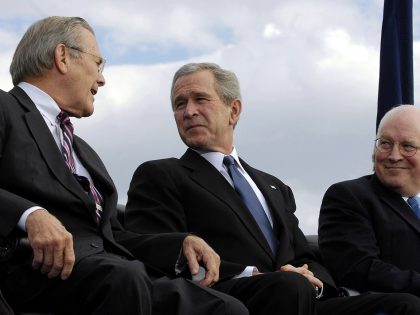
George W. Bush’s war on Iraq is central to understanding our world today. Yet the war has largely been flushed down the memory hole. Remembering how we came to start the war and who sold us it is critical to stopping us from being dragged into similar bloody conflicts in the future.

A North Carolina charter school that receives 95% of its funding from public sources is forcing girls to wear skirts. If the Supreme Court hears the case, it could determine if constitutional protections governing public education apply to charter schools.

Three former Bernie Sanders field organizers argue that the campaign’s internal structures and lack of accountability hurt its chances and undermined Bernie’s theory of political change.

The war in Ukraine has overshadowed the ongoing battle between Armenia and Azerbaijan. But both conflicts show the Soviet Union is still unraveling — with devastating, bloody consequences.

Ukraine is being sized up by neocolonial vultures from BlackRock to the EU for a carve-up after the war is over. On the menu is deregulation, privatization, and “tax efficiency” — measures that may have already begun.

Ottawa’s refusal to ruffle feathers in Prime Minister Benjamin Netanyahu’s new government, the most far-right in Israel’s history, is par for the course. Canada remains a staunch ally of Israel’s apartheid state.

Javier Milei, who takes office today, prioritized economic over cultural issues in his campaign, unlike his Brazilian kindred spirit Jair Bolsonaro. But the two far-right leaders both reflect the destructive spirit of neoliberalism in its nihilistic phase.

Like its twentieth-century predecessors, today’s far right longs for the purported glories of the ancient world, all while fetishizing modern technology.
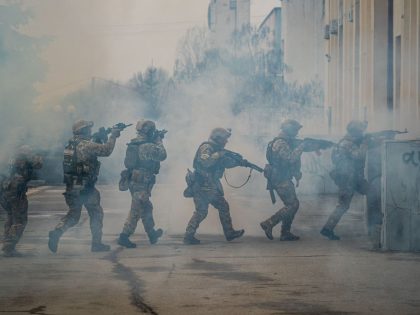
The Minsk Agreements were meant to ease conflict in the Donbas, only to be torn to shreds by Russia’s invasion of Ukraine. A diplomat involved in the Minsk process tells Jacobin why it failed, and what chance diplomacy has of de-escalating the war.