The Attacks on Graham Platner Are Politically Motivated
Graham Platner’s critics are operating with a politically motivated double standard.
David Sirota is editor-at-large at Jacobin. He edits the Lever and previously served as a senior adviser and speechwriter on Bernie Sanders’s 2020 presidential campaign.

Graham Platner’s critics are operating with a politically motivated double standard.

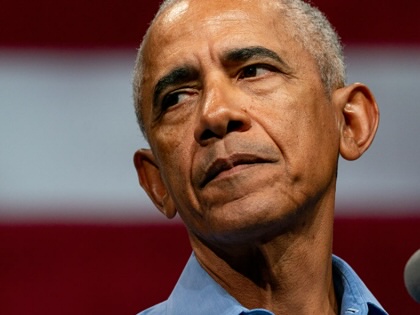
Barack Obama has attacked his party for its unwillingness to challenge institutional obstructions to enacting their agenda. It’s a fair criticism, but the 2009–10 retreat on a public option in Obamacare might be Exhibit A of this tendency.

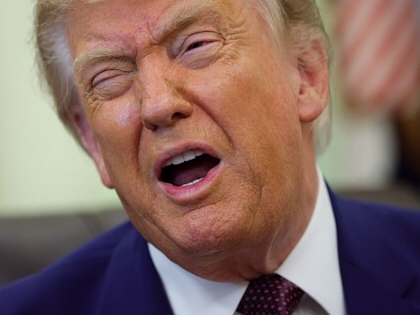
Congress is now attempting to end the Iran war without President Donald Trump’s approval. The House of Representatives is invoking the War Powers Resolution, potentially setting the stage for a legal showdown over the limits of executive power.

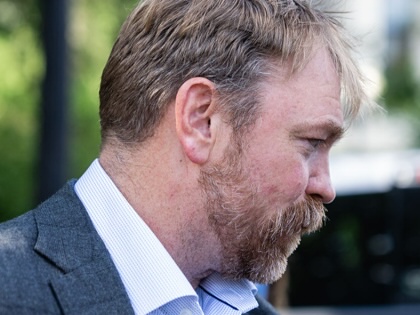
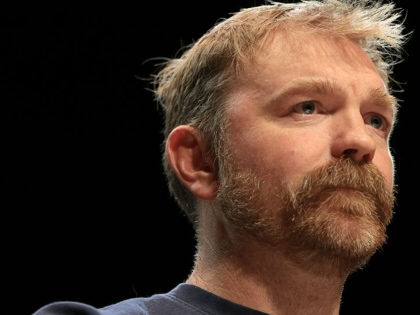
The fact that Graham Platner still holds a general election lead amid scandalous personal revelations should give us hope. Voters may be shifting to judge politicians more on their willingness to take on economic inequality and war than their private lives.

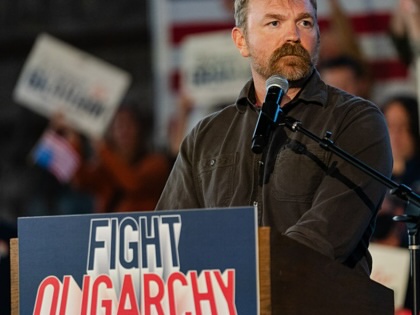
Graham Platner has traversed a long and unlikely road to become the Democratic nominee for the US Senate in Maine. Can he beat longtime GOP incumbent Susan Collins and live up to the promise of his firebrand populist campaign?

An oligarch-funded think tank is trying to undermine Medicare for All even before Democrats regain power. Candidates like Graham Platner and Abdul El-Sayed are rejecting the ploy.

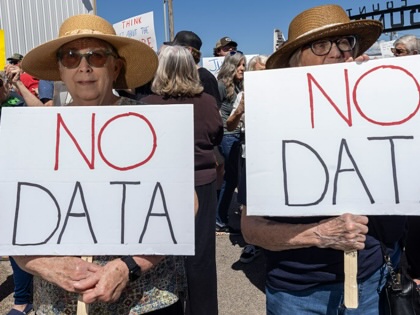
New polling shows that most Americans hate the prospect of data centers being built in their communities. The opposition is entirely predictable, not least because data centers seem to offer little benefit to people living near them.

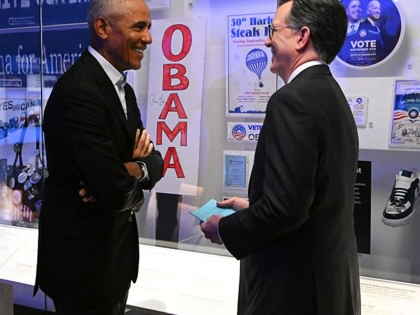
Former President Barack Obama just unveiled his presidential library, an oligarch-funded shrine to himself. It’s a perfect bookend to a presidency that bailed out Wall Street donors who were throwing millions of Americans out of their homes.

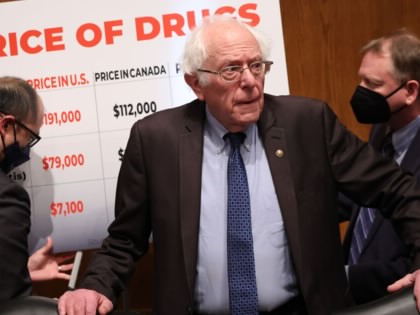
The American people are now paying the highest prices for medicines that they paid to help develop. Congress and the president have the power to change this — but in the past few decades, thanks to intense drug industry lobbying, they have refused to.

Since 2024, a growing rift has emerged in the Democratic Party over whether to better coordinate with billionaire-backed political networks to match Republicans. Now this clash between populists and party elites is no longer quiet.

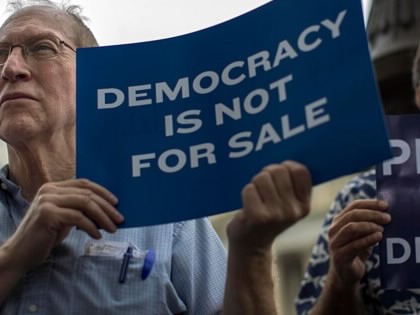
A Maine lawsuit has suddenly become the most significant anti-corruption battle inside America’s legal system, offering the first serious chance in decades to challenge the disastrous Citizens United decision.

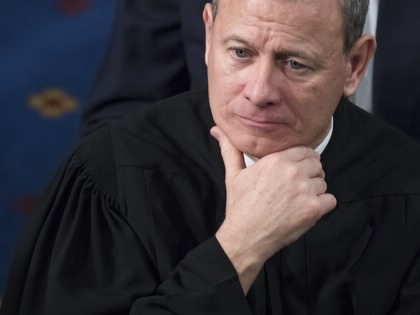
During the Reagan administration, John Roberts was known for denouncing judicial overreach. Today he has adopted an assertive use of judicial power, using the Supreme Court’s shadow docket to fast-track corporate wins on climate and federal policy.

A little-known Supreme Court case that just vacated the corruption conviction of a local official raises a crucial question: Will the kind of influence peddling now ubiquitous in politics become unprosecutable simply because it has become so commonplace?

Mallory McMorrow, who is running against Medicare for All champion Abdul El-Sayed for US Senate, recently went viral presenting herself as a populist crusader against surveillance pricing. Her record as a Michigan state legislator tells a different story.

Congressional Republicans are holding airport security funding hostage to get more money for ICE. The situation is possible because of the federal appropriations process, which makes some federal spending changes easier and others far more difficult.

The Democratic Party has split: one faction masks corporate capitulation as necessary moderation, and the other refuses to tell voters to ignore their experience, admitting that Democrats have long bailed out the ultrarich at workers’ expense.

Donald Trump’s attack on Iran may set off a showdown over the president’s authority to declare war. The case could end up in court, giving conservative justices a long-awaited chance to end Congress’s ability to limit presidents’ warmaking powers.

With Donald Trump’s tariffs being ruled illegal, the government may be on the hook for up to $170 billion in refunds. Because Amazon helped conceal how much tariffs raised consumer prices, it will be easier for companies to hoard refunds for themselves.

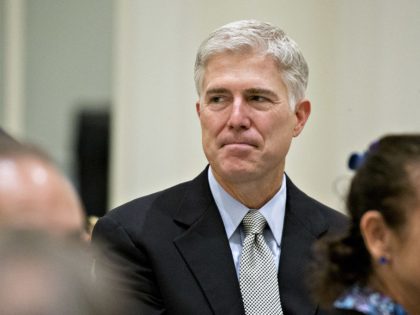
Justice Neil Gorsuch’s decision to strike down Trump’s tariffs underscores a broader truth: the Supreme Court is just as insincere as every other branch of government, with justices often prioritizing the political dynamics of the moment.

Working-class economic populism is necessary for both Democrats’ electoral success and the defense of democracy itself. Not many Democrats since FDR have recognized this, but Alexandria Ocasio-Cortez is one of the few who does.