
The Economy Is on the Brink
We’re heading into what could be a rough economic patch with the worst leadership imaginable.
We’re heading into what could be a rough economic patch with the worst leadership imaginable.

Fear of killer robots has obscured a deeper shift in warfare: The fetish of automation masks the commodification of combat judgment. Corporate software reshapes war while preserving just enough procedural “human control” to deflect responsibility.
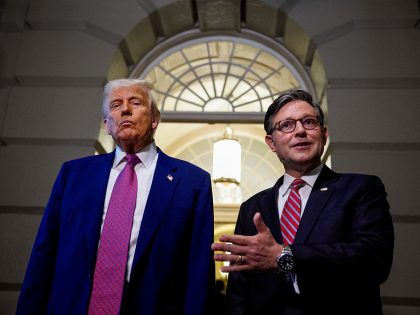
Donald Trump once said that under him, we would “get tired of winning.” As the United States sees credit downgrades, deep budget cuts, and potential fiscal crises, the wins are pretty hard to find.
The kidnapping of Venezuelan president Nicolás Maduro is a crude act of Trumpian aggression. Yet it also illustrates the US leadership’s weakness, as it moves to lock down control of the Western Hemisphere.
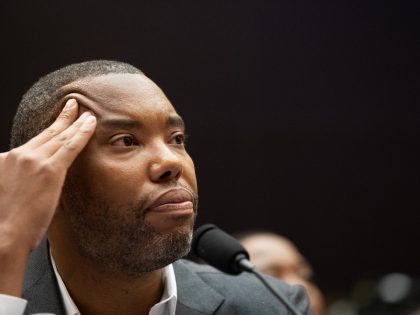
The argument of Ta-Nehisi’s Coates’s latest book, The Message, is that Israel is not and will never be a democracy. He describes the racist hierarchy on which Israel was founded in terms that are hard to dismiss.
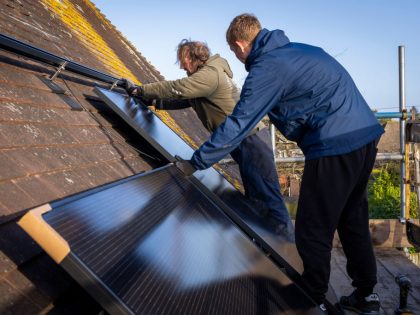
A decade ago, Western governments pitched the green transition as a solution to reindustrialization and economic decline. The failure of these policies to produce well-paying jobs has triggered a right-wing backlash in both the UK and the US.
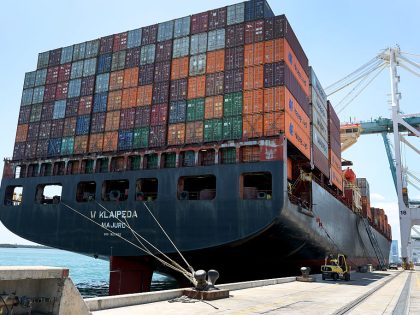
Nations across the Global South were forced to surrender economic self-determination under the banner of free trade. Absent a collective response, Donald Trump’s dismantling of this order will only further erode developing nations’ economic sovereignty.
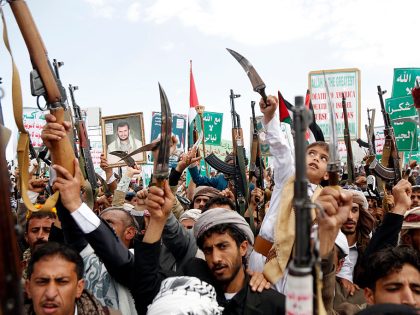
With Donald Trump’s cease-fire deal with Yemen, we now have the same outcome that we would have had if Trump had never started bombing Yemen in the first place.
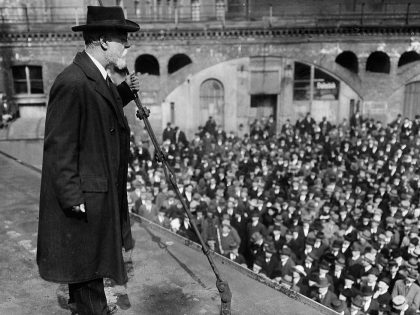
Why was the revolutionary road out of capitalism abandoned for an evolutionary one? Vivek Chibber explores how socialist parties moved from revolution to reform, but why real progress will always mean a conflict with capital.
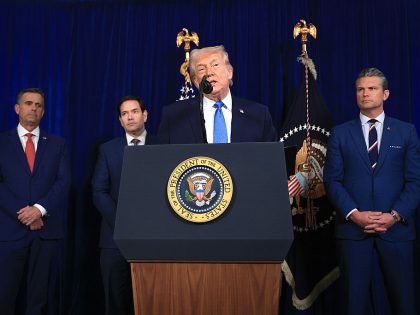
European leaders’ muted response to the illegal attack on Venezuela showed how afraid they are of antagonizing Washington. Now they fear Donald Trump’s plans to seize Greenland, but they have no clear plan to stop him.
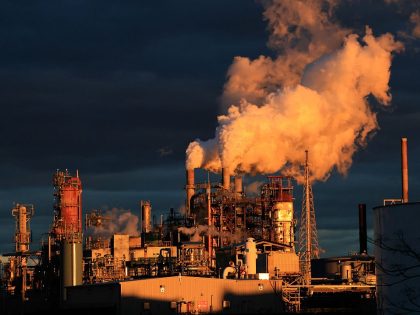
In an interview, investigative journalist and oil policy analyst Antonia Juhasz weighs in on what the fossil fuel industry really wants in Venezuela and how the current situation compares to past wars fought over oil.
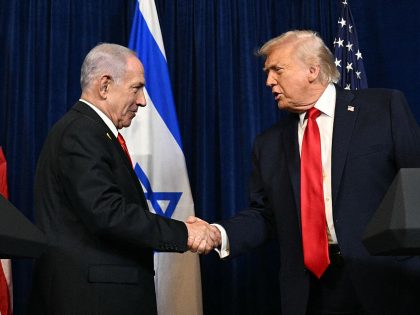
Donald Trump is once again threatening war with Iran just six months after bombing the Islamic Republic in June. Part of the reason for his hawkishness is his closeness to Israel, whose increasingly reckless actions threaten the whole Middle East.
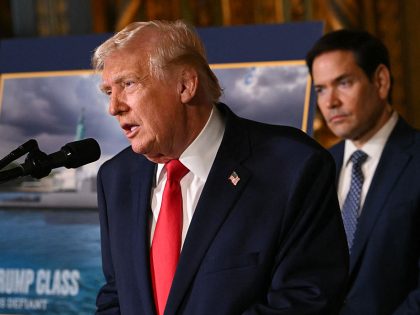
Nothing about Donald Trump’s brazenly illegal actions against Venezuelan president Nicolás Maduro suggests that the American ruling class has learned any lessons from US imperial overreach and failure in Afghanistan, Iraq, or Venezuela itself.
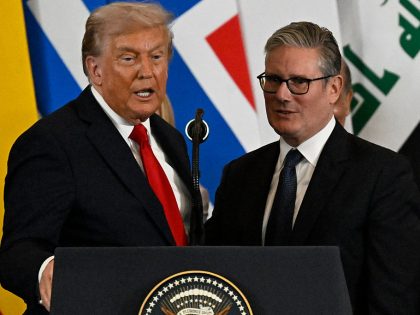
The seizure of two tankers carrying Venezuelan oil is a further escalation of Donald Trump’s war policy. While British prime minister Keir Starmer denied involvement in the earlier attack on Caracas, this time Britain actively joined the operation.

Crunching the numbers on the class war.
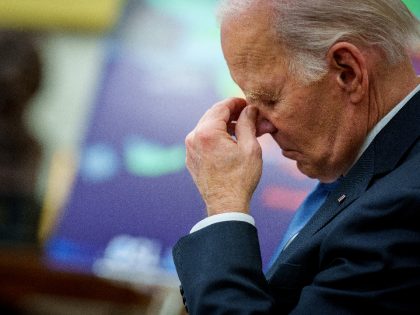
After nearly half a century as a key figurehead in the Democratic Party’s rightward turn on domestic politics, Joe Biden had a chance to undo some of that damage as president. Time after time, he blew it.
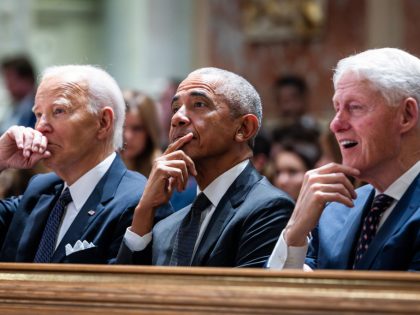
The neoliberal economic program embraced by the Clinton-era Democratic Party alienated many working-class voters. Democrats responded by reorienting their electoral strategy toward professional-class voters, accelerating workers’ departure from the party.
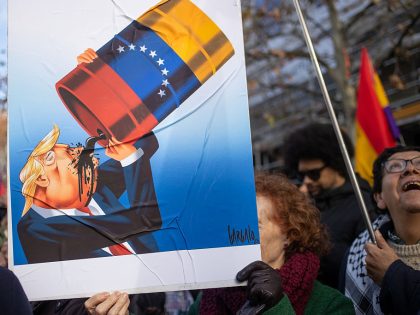
Unions and international labor federations argue that it’s the same billionaires that want to run Venezuela who keep us working longer hours for less pay, without health care, job security, or stable housing.
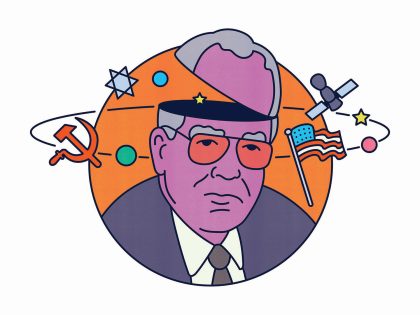
Lyndon LaRouche started off lecturing about dialectics and Rosa Luxemburg. By the 1980s, he was Glenn Beck with a private security force.