Moral Outrage in the Service of Empire
Human rights are worth defending. Human Rights Watch is not.
Human rights are worth defending. Human Rights Watch is not.
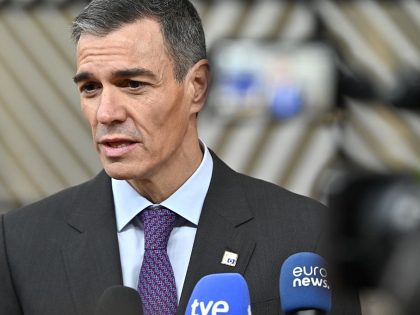
Donald Trump is angry because Spain’s prime minister, Pedro Sánchez, hasn’t backed the war on Iran. Sánchez’s stand is hardly radical, but it seems like it now that almost all of Europe has fallen in behind Trump.
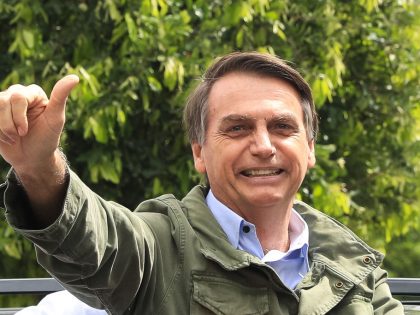
Trump and Bolsonaro aren’t just united by their shared prejudices, but by a sense of common purpose.
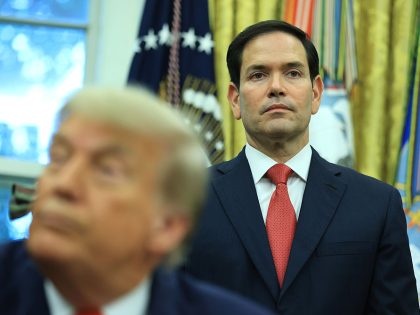
David Rivera, a longtime close friend of Secretary of State Marco Rubio, is facing federal charges for allegedly acting as a foreign agent for Venezuela. The trial and its revelations about foreign influence are poised to bedevil the Trump administration.

In the logistics industry, from port workers to truckers to delivery drivers, time is of the essence. Their potential control over that time gives workers enormous leverage in the global economy.
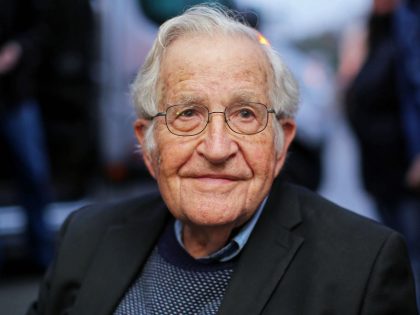
Noam Chomsky talks to Jacobin about why working-class politics can secure universal health care, climate justice, and an end to nuclear weapons — if we’re willing to fight for them.
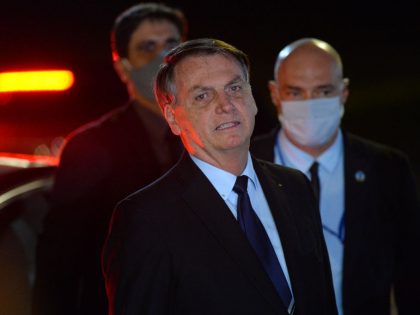
With Jair Bolsonaro at the helm, Brazil’s democracy is in crisis. Veteran of the Brazilian left and the armed struggle against the dictatorship, and a principal strategist of the Workers’ Party, José “Zé” Dirceu spoke to Jacobin about the need for a broad front coalition to defeat Bolsonarismo.
The crisis of neoliberalism fuels social breakdown and a backlash from violent “anti-crime” vigilante groups. It’s a destructive, authoritarian vision of order that the Left can directly challenge.
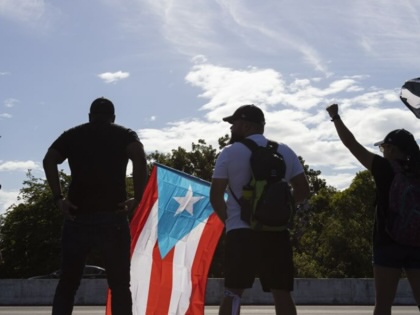
Since the 19th century, the choice between independence and incorporation into the US has been a central issue for Puerto Rican politics. Support for the left-wing Puerto Rico Independence Party is now surging among the country’s youth.
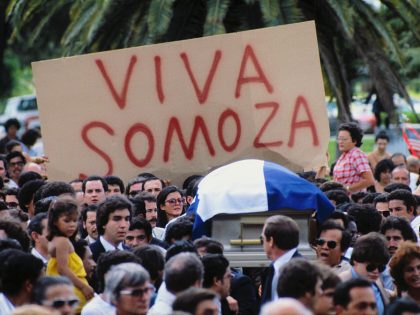
The United States has repeatedly intervened in Latin America to overthrow democratically elected governments and install right-wing dictatorships. But homegrown far-right forces in Latin America itself have often proved just as important as US meddling.
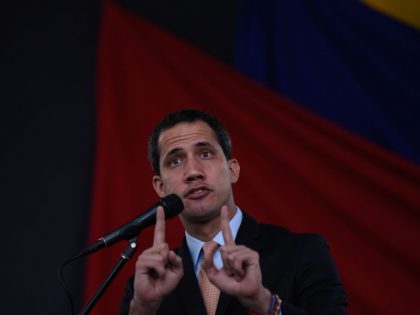
The Venezuelan opposition has repeatedly failed to depose Nicolás Maduro. So now they’re launching a last-ditch effort to get Donald Trump to intervene — by tying Maduro to Iran and Hezbollah.
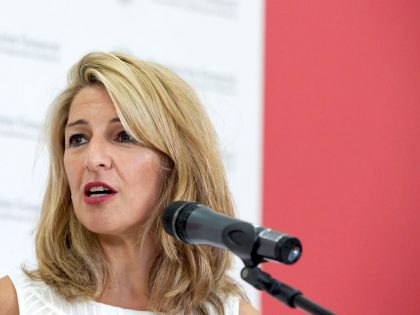
At a time of severe austerity, Spain has made key progressive advances. We spoke to labor minister Yolanda Díaz about her government’s attempts to bolster labor rights, fight climate change, and how the Left needs to build social movements beyond party structures.

New York City’s Avenue of the Americas reflects a New Deal gesture toward hemispheric cooperation. April 14, Día de las Américas, offers a chance to revive that spirit by affirming Pan-American solidarity, self-determination, and social equality.
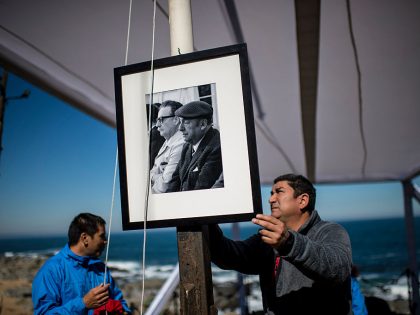
The Globe and Mail’s new revelations about socialist poet Pablo Neruda’s death after the 1973 coup in Chile carefully omitted any reference to Ottawa’s complicity in the repression. But in Chile and around the world, Canada has long helped undermine democracy.
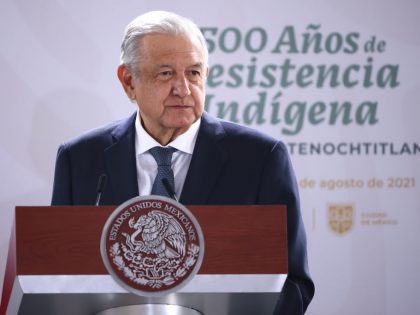
Mexico’s president Andrés Manuel López Obrador has called for a union of Latin American countries. Drawing on the revolutionary vision of Simón Bolívar, it aims for regional integration as a bulwark against foreign interference. Could it work?
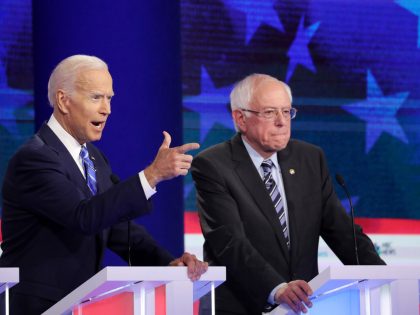
It was inevitable that Biden’s unsavory record would eventually get the scrutiny it deserves. Last night, it finally started to happen.
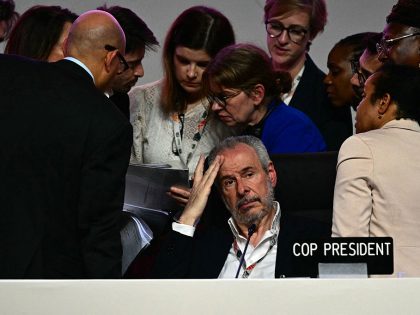
The US didn’t send a delegation to the COP30 conference in Brazil, reflecting the Trump administration’s nihilistic attitude to the climate crisis. In its absence, the other big industrial powers once again postponed making hard but essential choices.
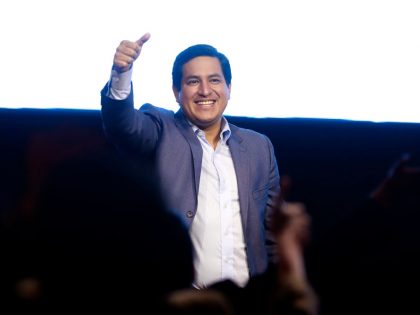
The first round of Ecuador's presidential election handed first place to left-wing candidate Andrés Arauz. It was a total repudiation of Lenín Moreno's neoliberal agenda. But more work is needed to cement a coalition that can win power and an anti-austerity program.
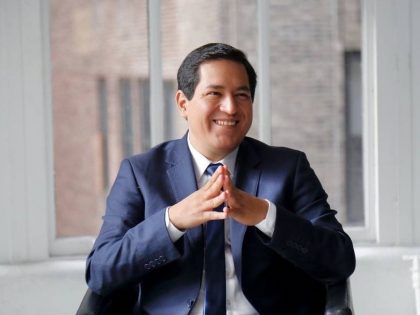
An interview with Andrés Arauz on his surprising journey to the verge of state power, what his ally Rafael Correa accomplished in Ecuador, and how he plans to win April’s election, rebuild his party, and deepen the Citizens’ Revolution.
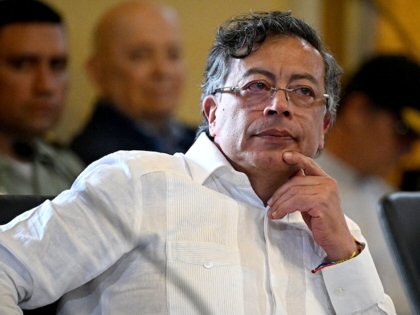
Gustavo Petro’s “economy for life” captures something essential about the planetary crisis. Turning it into a program requires confronting the structures that stand in the way.