Rolling Back Neoliberalism
In Chicago, there are cracks in the foundation of Rahm Emanuel’s political machine.
In Chicago, there are cracks in the foundation of Rahm Emanuel’s political machine.
The history of general strikes in Brazil shows why last month's — the country's largest yet — was so vital.
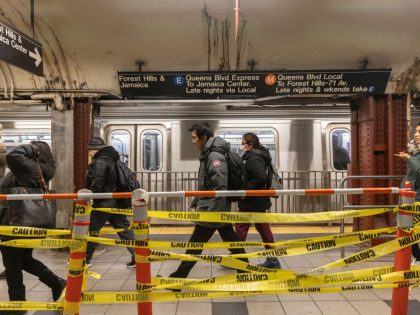
America’s largest public transit system is unreliable and often decrepit. Socialist state legislator Zohran Mamdani says that can change. We spoke to Mamdani about his proposal to fully fund city transit, increase service, freeze fares, and make buses free.
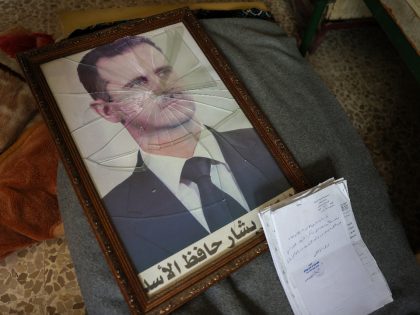
Anand Gopal on why the Assad dictatorship was one of the most brutal regimes of the 21st century and what's likely to come next in Syria.
Detroit’s bankruptcy and decay are symptoms of a fully-functioning free market, not a new “post-capitalist” order.
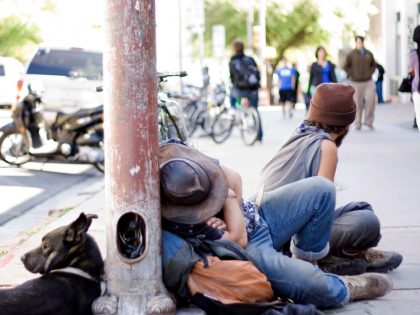
Texas Republicans are known for their particularly vicious reactionary politics. But Heidi Sloan — a socialist candidate for the House of Representatives in Austin — argues here that when it comes to issues like homelessness, many of the state’s Democrats aren’t much better.

In last weekend’s election, a majority of Irish voters supported parties of the Left. That and other progressive triumphs signal a new beginning for Ireland.

The film How to Blow Up a Pipeline explores themes from Andreas Malm’s book of the same name by way of a heist thriller, in which fictional activists grapple with the real question of whether disruptive action helps or hinders a mass climate politics.
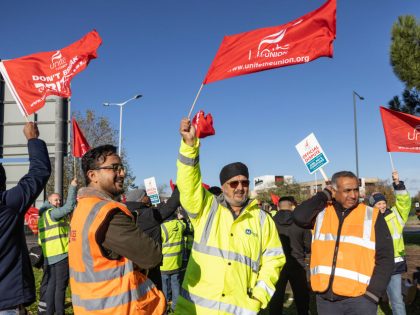
Britain is being battered by a severe cost-of-living crisis. But millions of Brits now feel emboldened to challenge a social structure that expects them to live worse lives while working harder and harder for bosses who have never had it better.
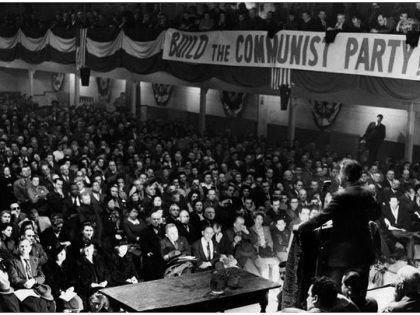
The Communist Party USA, which turned 100 this year, has left behind a complicated legacy, filled with great victories and terrible blunders.
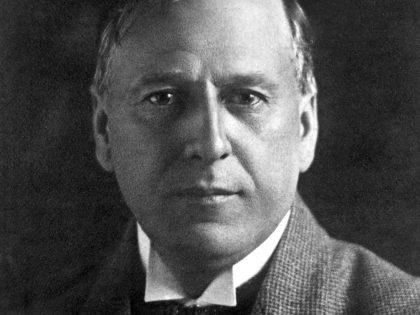
Born in Bulgaria, Christian Rakovsky became a major leader of the Russian Revolution who wanted the Soviet Union to be a true partnership of nations. But when Rakovsky challenged Stalin’s dictatorship, he was tried and executed on a trumped-up charge.
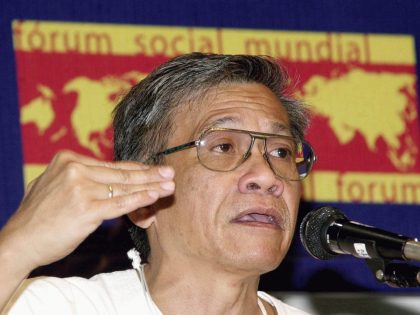
World-renowned scholar Walden Bello on the financialization of the Chinese economy, the middle-class roots of far-right movements, and the urgent need for a radical alternative to capitalism's crises.
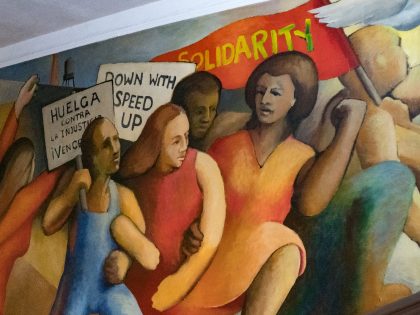
The United Electrical Workers was once one of America’s mightiest unions. But because many leaders were leftists who challenged corporate power, UE was decimated by McCarthyism. The union managed to survive, though, and UE's model of militant, democratic unionism is exactly what we need to revive labor in the 21st century.
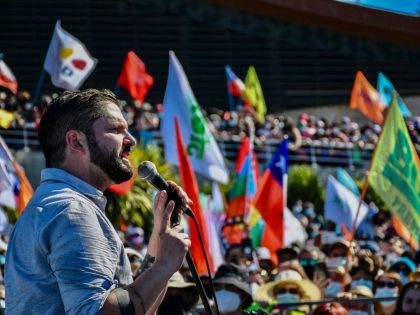
Far-right candidate José Antonio Kast’s upset victory in the first round of Chile’s elections has led to claims that the country’s “left turn” has run its course. Leftist candidate Gabriel Boric needs to show that narrative is false by rallying the vast majority to his side.
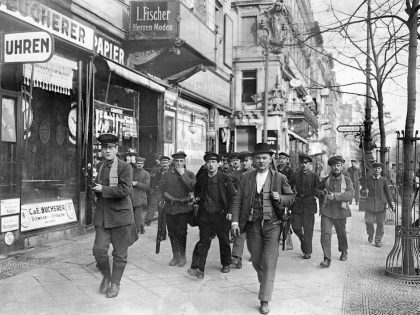
One hundred years ago today, radical sailors, soldiers, and workers in Germany rose up to put an end to the carnage of World War I. And the revolutionary upheaval had only just begun.
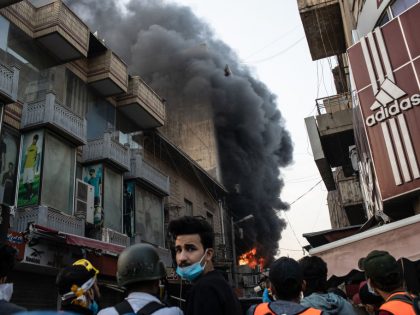
The protest movement convulsing Iraq is a heroic revolt powered by unemployed, precarious, and informal workers. Their aim is to overturn the entire political system, which has produced nothing but violence and poverty for the vast majority of Iraqis.
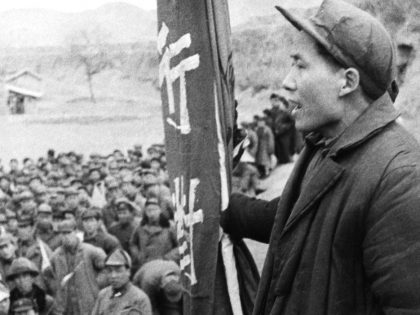
The Chinese Communist Party turns 100 as a party of power in one of the world’s most important states. It’s been a long road from the CCP’s early years as a band of revolutionary outlaws that narrowly escaped obliteration by its enemies.

New York City socialist mayoral candidate Zohran Mamdani recently spent the night reaching out to workers in Queens who keep the city moving after most New Yorkers are asleep. We tagged along.

In 2014, Australian Labor PM Julia Gillard’s Clean Energy Act tried to use market mechanisms to take climate action. Its failure underscores the fact that only public investment in climate action will do.
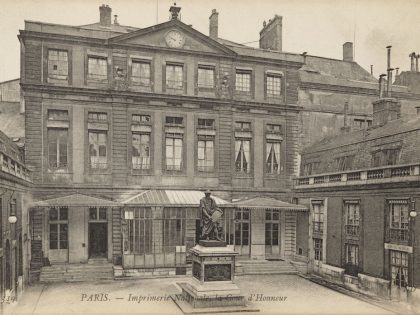
During the Paris Commune, workers at France’s National Printing House took the same fonts once used by kings and emperors and repurposed them to print the demands of worker rule.