
I Was a 1970s CIA Brat
At the height of the Cold War, my father was a station chief for the Central Intelligence Agency. It was a front-row seat for the last gasp of the WASP spy.
At the height of the Cold War, my father was a station chief for the Central Intelligence Agency. It was a front-row seat for the last gasp of the WASP spy.
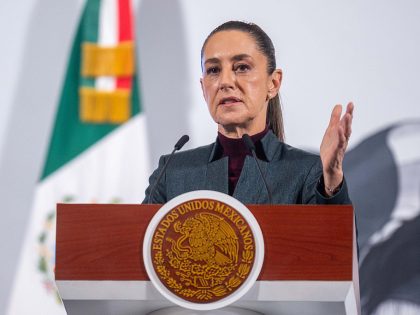
Donald Trump loves to try to bully Mexico. But President Claudia Sheinbaum is showing the world how to stand up to the MAGA administration without playing into its hands.
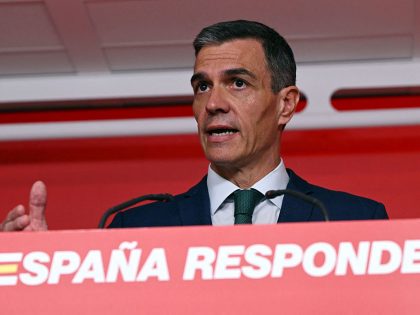
Spain’s prime minister, Pedro Sánchez, has broken ranks with other NATO leaders as he refused to commit to spending 5 percent of GDP on defense. It’s a welcome move, and a rare voice of dissent from Europe’s rush to remilitarize.
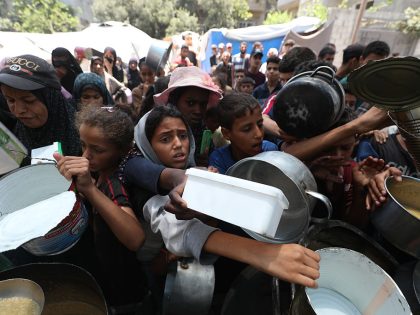
Israel has used snipers and even naval artillery to attack Gazans lining up for aid as part of a long-term plan to ethnically cleanse the strip. Middle East analyst Mouin Rabbani explains what might be capable of constraining Benjamin Netanyahu.

Iran has long held that conflict with Israel can be managed by limiting its retaliation within clearly defined parameters. But through its preemptive attack, Israel has revealed that it is not a rational actor and upended the rules of war.

In Karla’s Choice, Nick Harkaway takes up his father John le Carré’s most enduring creation, returning George Smiley back to the Cold War’s morally gray trenches. The novel reminds us that clever tradecraft can’t fix what cowardly leaders break.
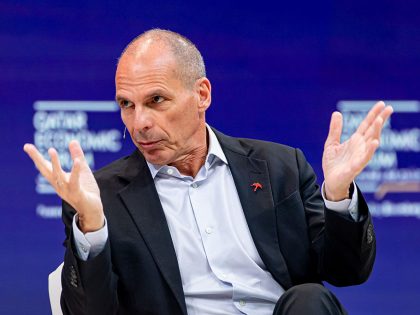
Ten years ago today, the people of Greece voted decisively in a referendum to reject an EU austerity program. Former Greek finance minister Yanis Varoufakis speaks to us about how it happened and of the betrayal that followed.
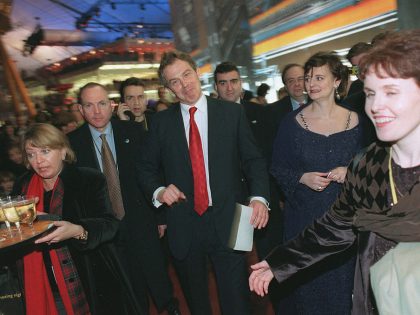
Director Adam Curtis’s latest BBC docuseries, Shifty, follows Britain’s late 20th-century retreat into make-believe as managed decline tears everything apart. It’s the familiar Curtis aesthetic, but still as powerful and haunting as ever.
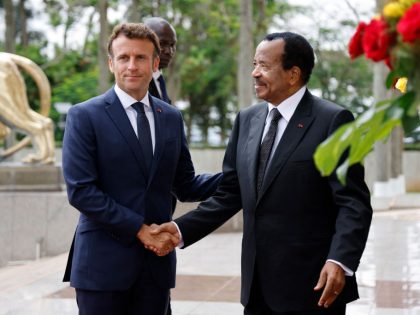
The world’s oldest president, Cameroon’s Paul Biya, is running for yet another term. Biya’s autocratic rule stems directly from a brutal colonial war France waged in the 1950s and ’60s while keeping it virtually hidden from the outside world.

Digital technology was sold as a liberating tool that could free individuals from state power. Yet the state security apparatus always had a different view — and now it’s taking back control of its own creation.
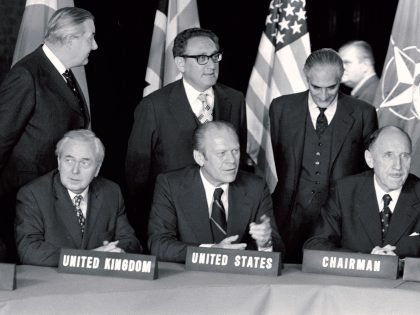
NATO leaders from across the political spectrum found common cause opposing Eurocommunism.
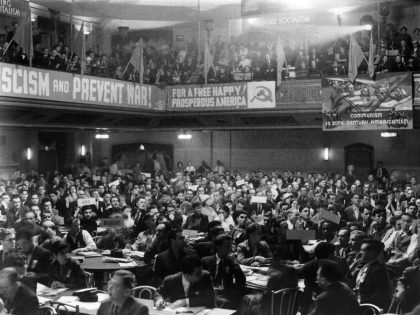
In the last year and a half, thousands of left-wing American Jews have protested Israel’s crimes against Palestinians. They are taking part in a long tradition of anti-Zionist Jewish radicalism in the United States.
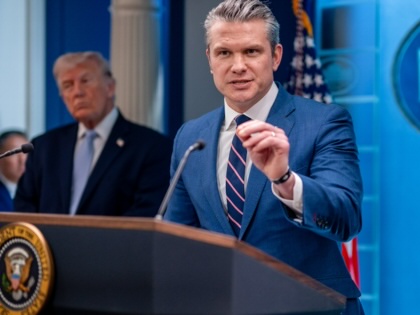
The Iran war seems irrational to the point of inexplicable madness. But stepping back and assessing who benefits from that madness can bring some clarity.
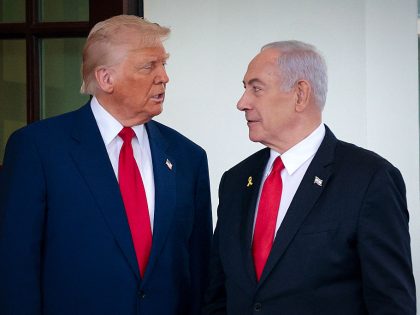
In defending and arming Israel over the last two years, Western governments have shown the hollowness of international law. The genocide will be remembered as a decisive moment in the collapse of liberalism.

The meeting of New England’s newer low-wage immigrant working class and its older industrial working class is beautifully rendered, warts and all, by Ocean Vuong in his new novel, The Emperor of Gladness.
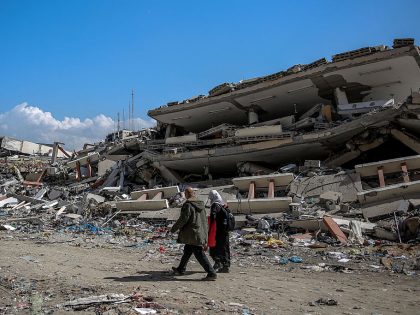
Every single university in Gaza has been destroyed. A historian writes about the recent efforts among the American Historical Association to condemn Israel’s scholasticide and genocide.

Many musicians don’t like what Spotify stands for, yet increasingly depend on it for earnings. Measures to support artists’ incomes could free music from the grip of the streaming giants.
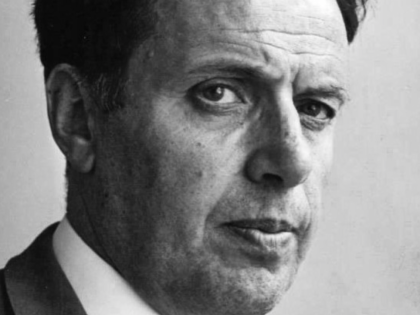
In 1975, Swedish socialists and unions devised a program to democratically seize the means of production, but terrified elites dismantled it. Fifty years on, the Meidner Plan still offers a blueprint for a socialist transition today.
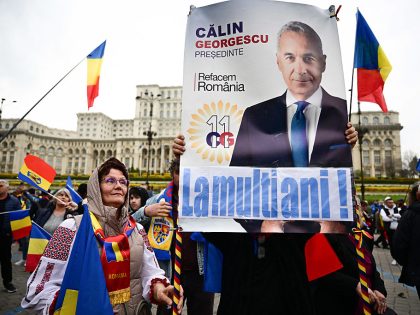
In Romania’s integration into European capitalism, the tough years after the 2008 crisis broke the illusion of continuous progress. The losers of that period are today swinging to far-right parties who tell a story of national victimhood.
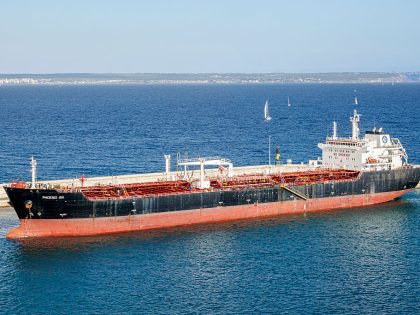
The pandemic caused unprecedented disruption to the global shipping of oil, but the industry survived with the help of massive state intervention. Control over the oil trade is a vital tool of economic power that the US is determined to retain.