A Very British Dystopia
A Very British Coup embraced the intrigues of class war, but its sequel falls prey to the mundanities of culture war.
A Very British Coup embraced the intrigues of class war, but its sequel falls prey to the mundanities of culture war.
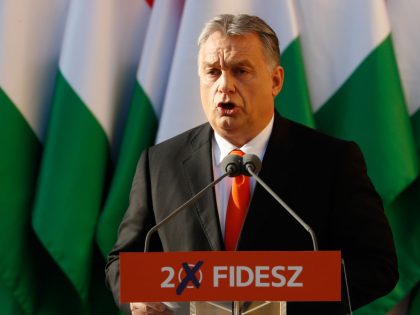
Right-wing nationalist governments in Hungary and Poland only made a selective break with neoliberal economics after the 2008 crash. Their goal was to strengthen domestic capital against foreign competitors without doing anything to empower workers.

NATO’s European members have agreed to massively hike defense spending. The move conforms to Donald Trump’s demands — but also reflects a German-led bid to revive its economy through massive investment in the military.
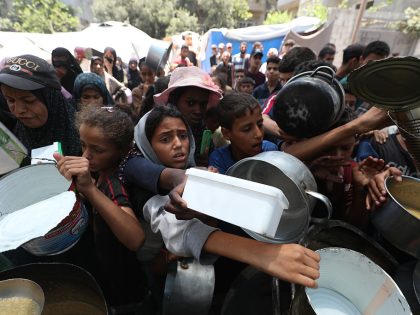
Israel has used snipers and even naval artillery to attack Gazans lining up for aid as part of a long-term plan to ethnically cleanse the strip. Middle East analyst Mouin Rabbani explains what might be capable of constraining Benjamin Netanyahu.

The relevance of declining birth rates to left-wing concerns, like welfare-state sustainability, is more complex than generally acknowledged. The real reason for the Left to support pro-family policies is to make families possible for those who want them.
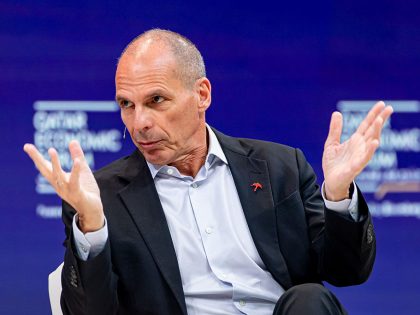
Ten years ago today, the people of Greece voted decisively in a referendum to reject an EU austerity program. Former Greek finance minister Yanis Varoufakis speaks to us about how it happened and of the betrayal that followed.
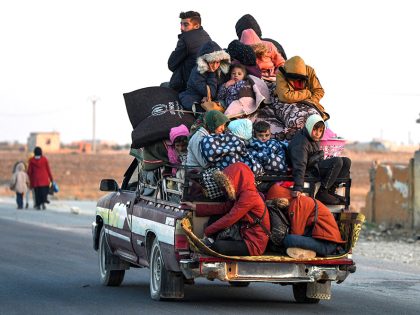
Bashar al-Assad has left the building. It took fourteen years of bloody conflict.
The EU has been trailing the US economically for decades, and the COVID-19 pandemic only made its situation worse. Does Mario Draghi hold the secret to restoring Europe’s productivity?

The G20’s plans to postpone 76 emerging countries’ debt repayments are a band-aid on fundamental injustices in the global economy. Rebuilding the Global South after the pandemic will require a complete upending of the international order — and the defending states' sovereignty rather than financial markets'.

If you’ve found yourself impulsively shopping online during quarantine, you’re not alone. And there’s no shame in it. But this is our corona-capitalist dystopia: purchasing things we may or may not need while desperately needed public services are left to rot.
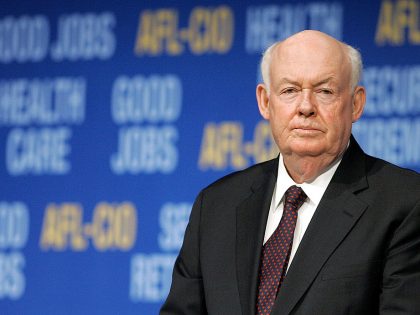
John Sweeney, who won the AFL-CIO presidency in 1995 as part of a progressive reform leadership slate called New Voice, died earlier this month at the age of eighty-six. He failed in his quest to revive the US labor movement — but he succeeded in pushing the main body of trade unionism firmly to the left.

The Trump presidency briefly made liberals critics of US actions around the world — but now he’s gone, they’re back to believing America is the solution to the destruction it creates.

Visiting Hungary, Tucker Carlson presented its authoritarian leader, Viktor Orbán, as the defender of the normality America has lost. In fact, Orbán’s kleptocracy offers a grim indication of what far-right ideologues would do in the US if they had the chance.

Given its powerful oil oligarchs, it’s easy to assume Russia is the quintessential climate denier. Yet the rise of corporate ESG policies in the country suggests Russian capital wants to greenwash just as much as its Western peers.
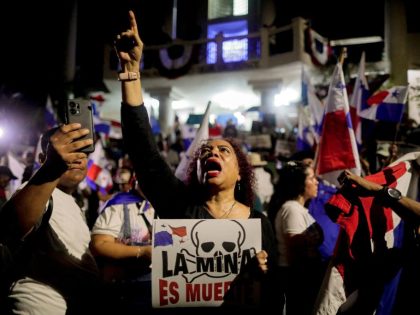
A wave of mass protests in Panama, organized by environmentalists, indigenous activists, and trade unions, has forced the government to hold a referendum on the contract of Canadian-owned First Quantum Minerals, the country’s largest mining company.
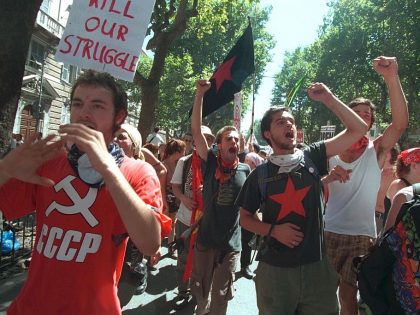
Even as massive protests confronted the Genoa G8 summit in July 2001, many saw some form of capitalist globalization as inevitable. But today, national capitalisms are regaining strength — and the Left has to adapt its strategy accordingly.

The megacorporation Tata has shaped Indian capitalism for 150 years. Despite its best efforts to sustain an image as an ethical company, Tata's roots in war profiteering and the opium trade, and its sophisticated suppression of worker organizing, is testament to the fact that "ethical capitalism" is only ever a contradiction in terms.

Daniel Hale’s revelations about the brutalities of US drone warfare didn’t harm any Americans or make them less safe. But his prosecution for whistleblowing and recent sentencing to nearly four years in prison was a blow against democracy.

When he became the last Soviet leader, Mikhail Gorbachev wanted to democratize the USSR without embracing free-market capitalism and end the Cold War without enabling US domination. The world is still haunted by his inability to achieve those goals.

From his new memoir, it’s clear that Barack Obama believes process is politics. But no amount of “process” will solve the problems that plague us — for that, we need the political will he could never muster as president.