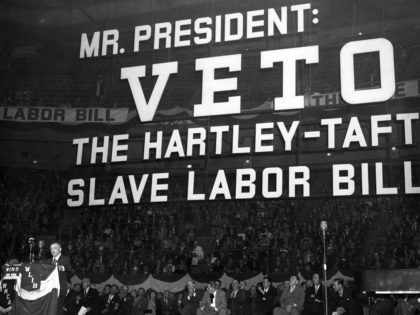
The Legacy of Taft-Hartley
Seventy years ago, the Taft-Hartley Act ushered in “right-to-work” laws and imposed draconian restrictions on workers' rights. The labor movement still hasn’t recovered.
Seventy years ago, the Taft-Hartley Act ushered in “right-to-work” laws and imposed draconian restrictions on workers' rights. The labor movement still hasn’t recovered.
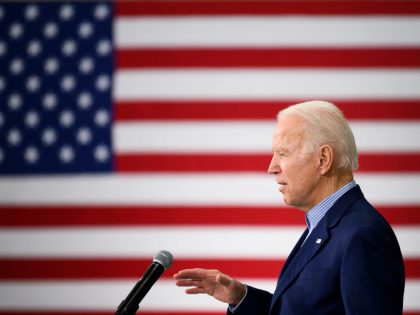
After September 11, George W. Bush decided to blaze a path of death and destruction in Iraq by invading. He was given crucial assistance by Joe Biden.
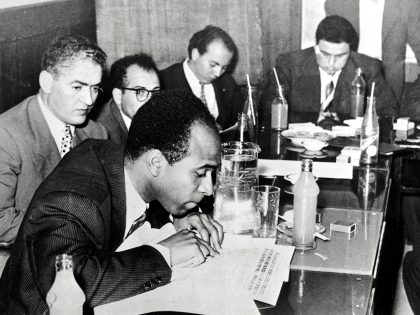
The psychiatrist Frantz Fanon witnessed World War II and the Algerian War of Independence firsthand. Adam Shatz’s new book, The Rebel’s Clinic, shows how these experiences turned Fanon into a revolutionary.

The Australian government’s latest proposition to ban climate protests appears as the country’s east coast is ravaged by fires. In the face of “climate barbarism” from both traditional parties, is a grassroots campaign stepping up?

The best defenders of even the narrow ideals of liberal democracy are not the elites who glorify them but the masses of people whom they so often distrust.
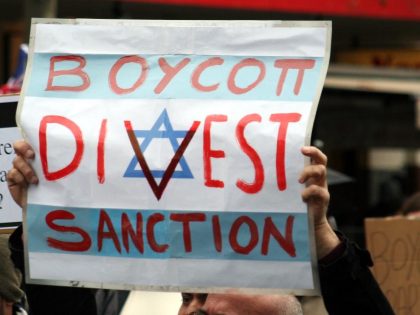
Israel is facing declining public support in the United States and sees the Boycott, Divestment, and Sanctions campaign as a key threat to its legitimacy. That’s why Israel is enlisting the US government, American university administrators, and even tech companies like Zoom and Facebook to try to destroy the BDS movement.
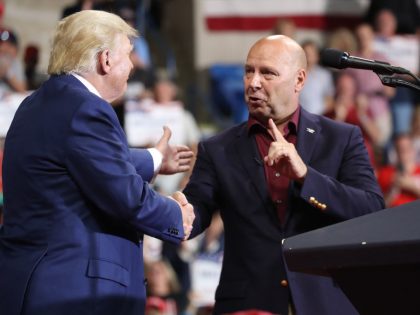
If Doug Mastriano becomes governor of Pennsylvania, the passage of aggressive right-to-work legislation in the union-friendly state is virtually guaranteed.
Why have so many films dealing with the Civil War embraced the Confederate struggle?
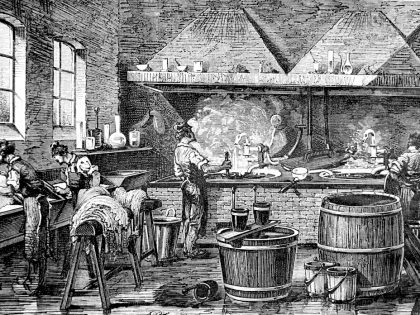
Conservatives have often embraced the work ethic in order to attack the poor and unemployed. In her latest book, the philosopher Elizabeth Anderson argues for reclaiming the concept, explaining that its origins lie in a radical critique of the idle rich.
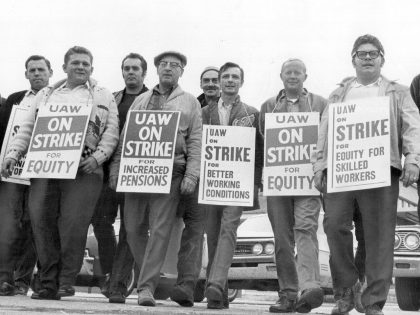
Labor historian Nelson Lichtenstein reflects on his long life and career, including Berkeley in the 1960s, Walter Reuther and the early UAW, Walmart, Bill Clinton, and much more.
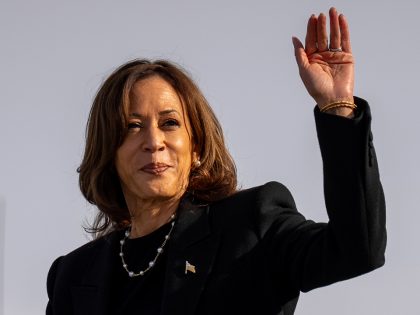
To win working-class voters — and possibly today’s election — Democrats need to attack economic elites. But the Kamala Harris campaign hasn’t consistently offered an anti-elite counter to Donald Trump’s right-wing populism.
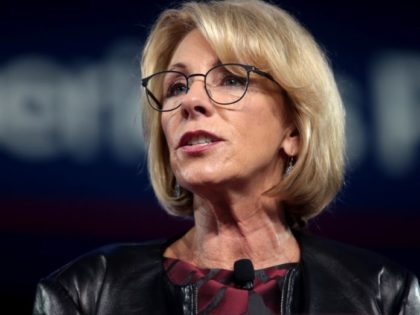
The attacks on Title IX undermine the struggle against campus sexual assault.

The hysteria over Palestine protests on campus that is being ginned up to protect US support for Israel’s war is the beginning of a new Red Scare. Liberals must resist it, because it will come for them, too.

Westworld has the potential to be something more than another libertarian piece of science fiction.
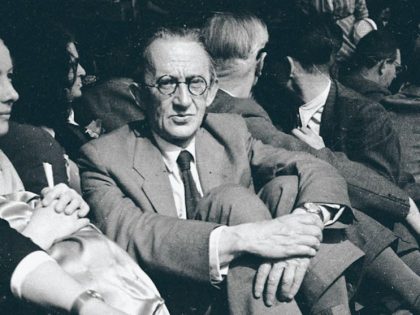
Born-again communist, Hungarian revolutionary, Marxist heretic — Georg Lukács was condemned from all sides during his time. Perhaps that's why he's perfect for ours.
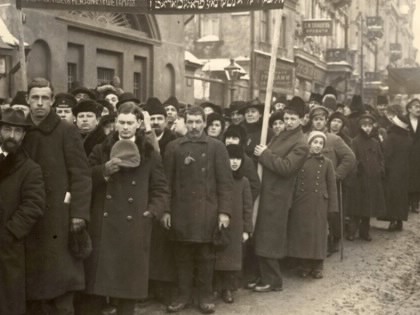
Molly Crabapple’s new book, Here Where We Live Is Our Country, recovers the story of the Jewish Labor Bund — a socialist movement that opposed both assimilation and Zionism, and whose warnings about ethnonationalism have not lost their urgency.
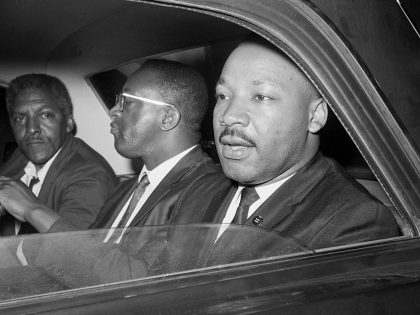
Accounts of the life of Martin Luther King Jr often present him as a singularly great individual. Yet MLK was profoundly shaped by a vibrant ecosystem of socialists and labor radicals, from Myles Horton and Rosa Parks to Bayard Rustin and Stanley Levison.
The Civil War inaugurated a titanic revolution that within years brought slavery to an end and broke the planter class.

Founded by a former Bill Clinton aide, Frontera is a failed oil firm known for its bid for domination in the former Soviet Union. Now, US congressmen are trying to stop it being expelled from Georgia — blaming its well-deserved legal woes on “Russian interference.”
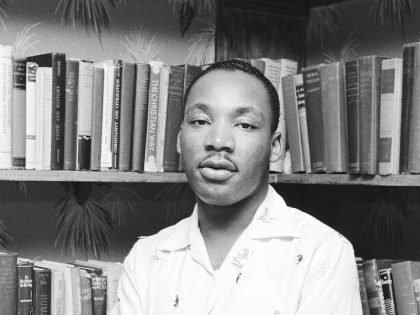
Martin Luther King Jr once said that there’s “nothing but a lack of social vision to prevent us from paying an adequate wage to every American citizen.” Decades after his assassination, we can realize his vision of an economically just society.