What Revolutionary Socialism Means to Me
The revolutionary socialist vision is a vital one. Today’s rising socialist movement shouldn’t discard it.
The revolutionary socialist vision is a vital one. Today’s rising socialist movement shouldn’t discard it.
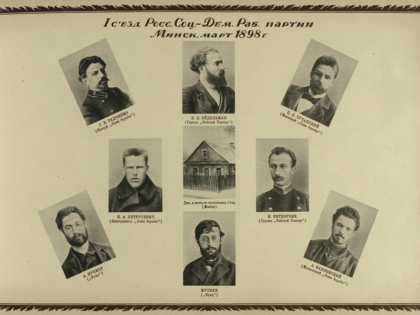
On July 14, 1889, the Second International was born to unite the workers of the world. What happened to that dream?

The leading thinkers of Marxism stressed how important it was to govern in partnership with the peasantry. When communist states imposed collectivization by force, the results were disastrous.
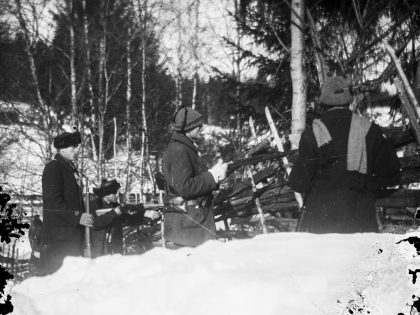
The Russian Revolution led to revolutionary upheaval in countries far beyond Russia. Looking at Russia’s imperial borderlands like Finland suggests that socialist struggle can look wildly different in autocratic versus parliamentary conditions.
A review of Lars Lih's Lenin
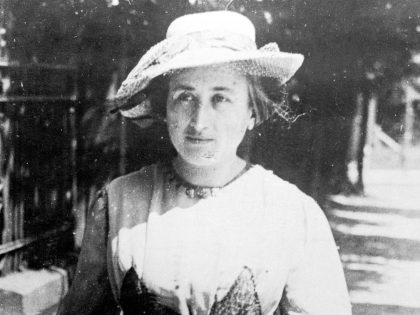
More than a century after her murder, there’s still so much to discover in Rosa Luxemburg’s work as more of her writings become available in English. Brazilian writer Michael Löwy is one of the best guides we have.
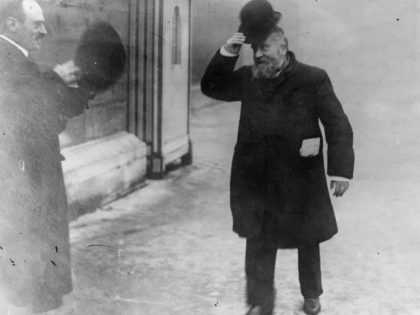
One of France’s leading socialists, Jean Jaurès was assassinated just days before the outbreak of World War I. An impassioned defender of working-class internationalism, his murder signaled Europe’s descent into war.
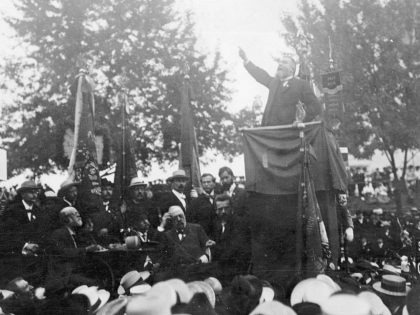
The Invention of Marxism is a rich group biography of the founding generation of socialists, who introduced millions to Karl Marx’s ideas. Even where it falls short, its details still charm and provoke interest.

German socialists knew the craze for schnapps was a plague on working-class life. They fought it by building their organizations around beer.
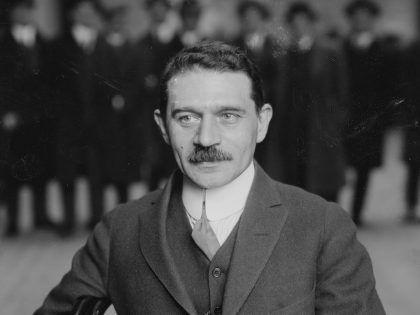
The early-20th-century socialist and New York mayoral candidate Morris Hillquit saw liberalism and democracy as providing a foundation for a transition to socialism. Alongside Eugene Debs, he helped to forge a distinct American socialist tradition.
Ninety-nine years after the Russian Revolution, let’s free Lenin from distortions of all types.
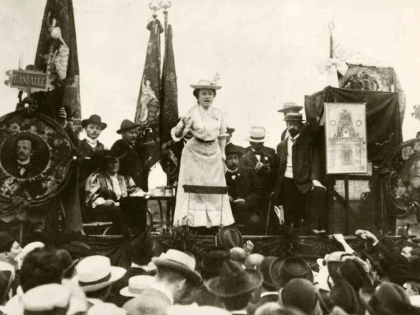
On Bastille Day 1889, militants from around the world met in Paris to declare an international union of socialist parties. The Second International promised to spread the spirit of the revolution across borders, only itself to fall victim to nationalist passions.
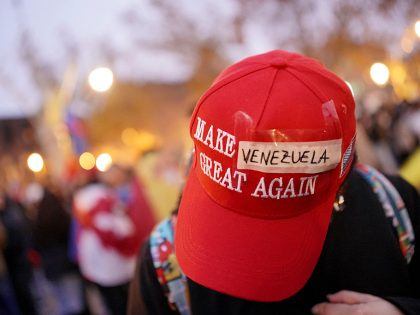
The glue that holds Donald Trump’s coalition together is not ideological coherence but a volatile compound of empire, spectacle, and grievance. Understanding these tensions helps explain both MAGA’s successes and its weaknesses.
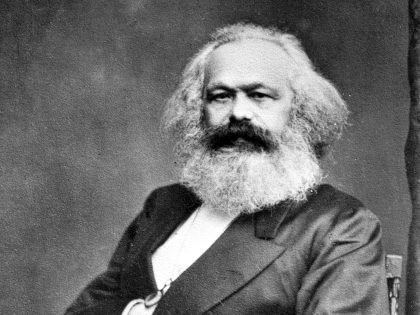
It’s important to place the leading figures of Marxism in the context that shaped them. That context has to include the repressive state structures and extreme inequalities of Europe in the early 20th century, which made revolution seem inevitable.

We shouldn't try to resurrect the social-democratic politics of the past. What we need is a socialist movement that pairs radical demands with mass, militant action.
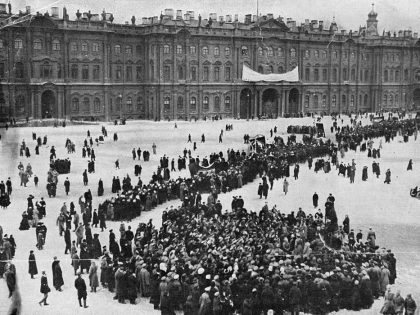
In the standard account, February was the good revolution and October was the extremist one. But events in Russia were far more complex than that.
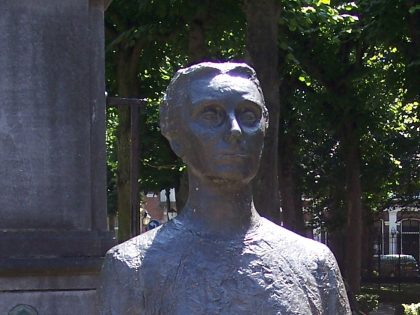
Dutch poet Henriette Roland Holst was twice nominated for the Nobel Prize in Literature — but also made her name theorizing the mass strike. Her life shows how a generation of militants linked revolution in the arts to the fight for a socialist future.
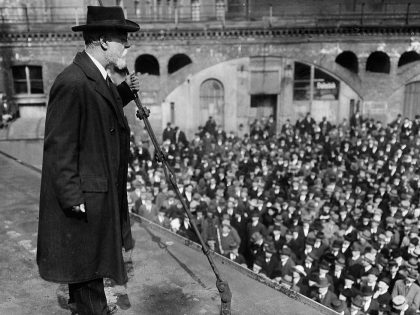
Why was the revolutionary road out of capitalism abandoned for an evolutionary one? Vivek Chibber explores how socialist parties moved from revolution to reform, but why real progress will always mean a conflict with capital.
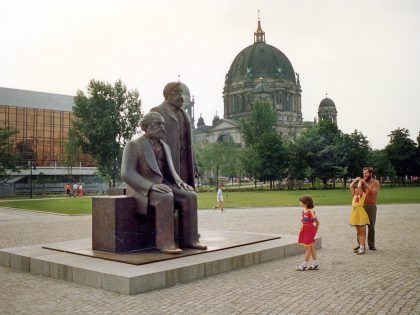
In the years after Karl Marx's death, Friedrich Engels wrote that a rising socialist movement could now advance by means other than violent insurrection. This didn't mean an embrace of existing institutions — rather, it meant recovering the mass democracy experimented with during the French Revolution.
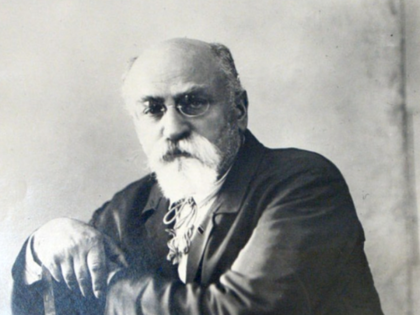
David Riazanov was a brilliant scholar who pioneered the study of Marxism while playing an active part in Russia’s revolutionary movement. But Ryazanov and the Marx-Engels Institute he founded both fell victim to Stalin’s purges in the 1930s.