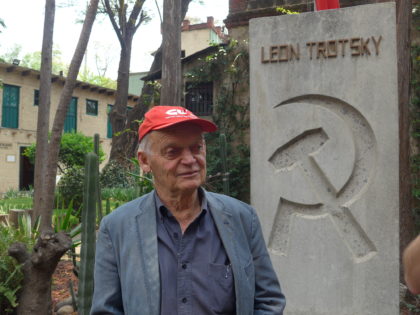
Leon Trotsky Was My Grandfather
An interview with Leon Trotsky’s grandson, who lived with the famous revolutionary the last year of his life.
An interview with Leon Trotsky’s grandson, who lived with the famous revolutionary the last year of his life.
Labour strategies that try to win over English workers through patriotic appeals are both condescending and self-defeating.
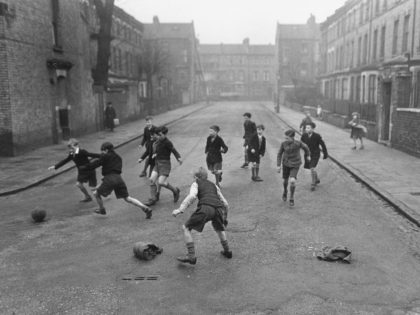
In premodern England, peasants organized football games over enclosed land. Today, fans have gotten together to buy teams from corrupt owners. The beautiful game has always shaped the culture of the popular classes, despite moneyed influences.
The rise of Islamophobia in France grew out of elites' need to manage working-class resistance.

Across Europe, centrist parties increasingly paint even mild social democracy as a “radical left” threat. The wild rhetoric about left-wing danger has a clear goal: to justify alliances with once-frowned-upon far-right parties.

Jason Kenney’s government seems increasingly desperate, conjuring up dark conspiracies to explain its own failures. Beneath the lurid rhetoric, there’s a last-ditch effort to keep the fossil-fuel industry profitable and prop up a conservative “success story” that couldn’t endure.
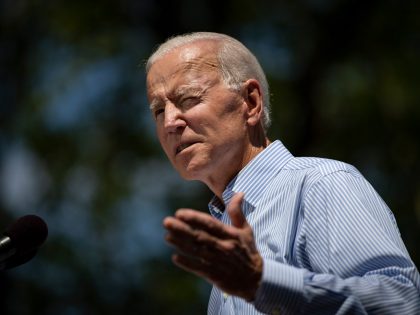
Joe Biden can’t stop lying. He lies for popularity, he lies to protect billionaires’ profits, and he lies to cover his own misdeeds. If he were to quit lying, Biden would be exposed for who he actually is: a happy stooge of industry trying to squash the rising demand for a better world.

Despite now pushing for a more assertive economic agenda, center-left parties worldwide are on the defensive. Their vulnerability? They helped create the very neoliberal order they now claim to challenge.

Tom Watson’s hunt for Trotskyists does more than misrepresent Corbyn’s movement — it opens the door to attacks on party democracy.
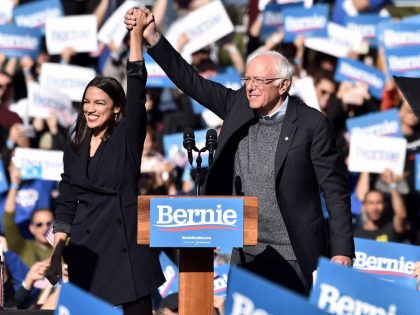
Everyone on the Left wants a more coherent, effective movement. But we’ll get there by devising creative new strategies for building our working-class base, not by launching yet another national progressive organization.
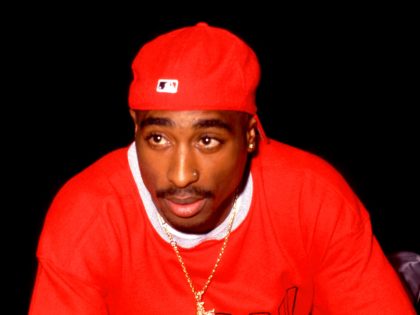
Tupac Shakur was a deeply political artist, shaped by the radical left-wing traditions of black America. A new biography finally does justice to this side of his life and work.
From suffragette jingoism in 1914 to the liberal support for the war in Afghanistan, a long tradition of feminists has made excuses for Western imperialism. But women’s liberation demands that we break up established power structures — and start by focusing on the women who most suffer the effects of imperial violence.
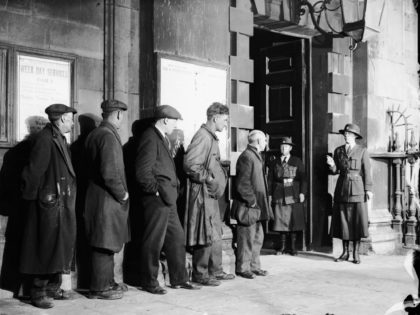
In 1932, Ireland’s Catholic and Protestant workers united in a communist-led rebellion. That instant of radical solidarity holds lessons for Irish politics today.

Donald Trump’s 2020 State of the Union was, unsurprisingly, depraved. But the speech showcased the kind of bloodthirsty rhetoric we can expect from his reelection campaign in the fall — rhetoric that a weak-tea centrist liberal candidate won't be able to defeat.

Ezra Klein talks with Bhaskar Sunkara about Abundance, Zohran Mamdani’s victory, and why progressives need a state that works at the speed of their ambitions.
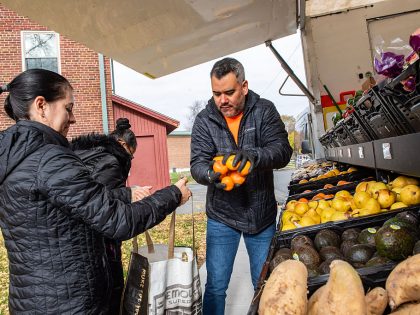
Economic insecurity is rampant in the United States. A program of universal grocery subsidies could help working-class families deal with the cost of living — and be wildly popular.

On Sunday, Germany voted in a federal election that saw massive growth in support for the far-right AfD, resurgence of the socialist Die Linke party, and more losses of working-class votes for the Social Democrats. These ten graphs explain what happened.
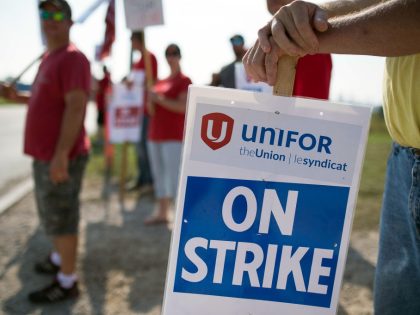
The United Auto Workers’ strikes against Ford, GM, and Stellantis have resulted in historic wins. The union’s counterpart in Canada was negotiating with the automakers at the same time — and, despite differences in strategy and tactics, also made big gains.

The union loss in Bessemer, Alabama against Amazon was a crushing defeat. It’s a reflection of a disjunction between “laborism,” the intellectual and activist infrastructure supportive of organized labor, and the labor movement itself.

In Russian novelist Vladimir Sorokin’s Telluria, inhabitants of a war-ravaged Europe can find solace only by hammering nails made of a hallucinogenic substance into their skulls. It's a postapocalyptic world that isn't quite like our own — yet.