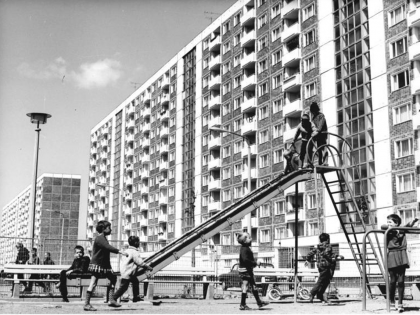
Over Three Decades Since Reunification, Germany Is Still Fractured
October 3, 1990, saw the reunification of Germany. But more than 30 years later, inequalities are deeper than ever — and Easterners are angered at the promises that weren’t realized.
Loren Balhorn is editor in chief of Jacobin’s German-language edition.
October 3, 1990, saw the reunification of Germany. But more than 30 years later, inequalities are deeper than ever — and Easterners are angered at the promises that weren’t realized.
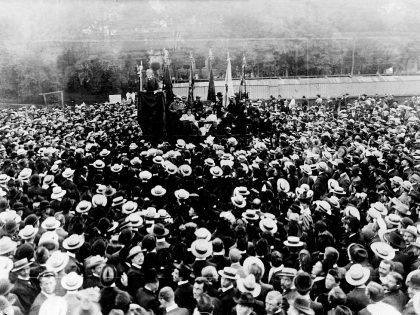
Robert Michels developed his “iron law of oligarchy” after seeing the bureaucratization of the early socialist movement. His warnings are relevant today — but the path to social transformation still runs through building mass, working-class political parties.
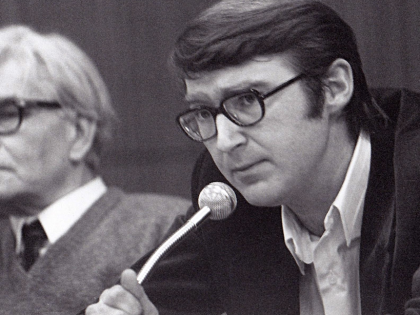
The postwar German left has had a lot of ups and downs — and leading Marxist political scientist Frank Deppe was there for most of them. On his 80th birthday, he spoke to Jacobin about the need to root left-wing politics in the changed realities of the modern working class.
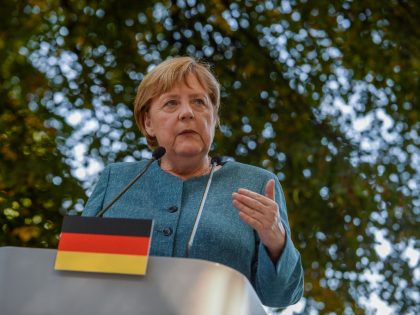
Next Sunday’s German election is one of the most unpredictable in decades. But even if Olaf Scholz’s Social Democrats do pull off an upset victory, they’re promising continuity with Angela Merkel’s policies — not the change working people need.
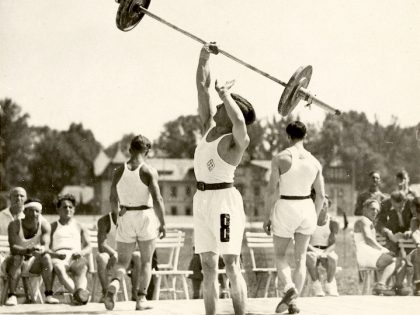
The 1931 Workers’ Olympiad in Vienna was an inspiring example of mass-scale sports, free of corporate influence. These photos from the games show how the workers’ movement promoted collective joy and class pride, even outside the factory gates.
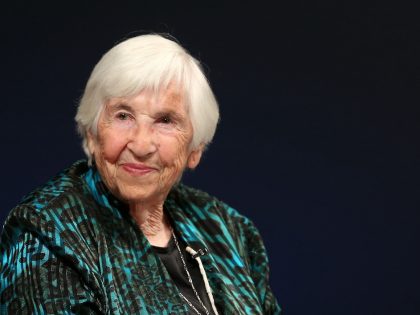
Esther Bejarano, who died Saturday at age 96, was an Auschwitz survivor and a lifelong communist. A talented musician, in later life she continued to raise her voice against the resurgent far right, setting an example for anti-fascists everywhere.
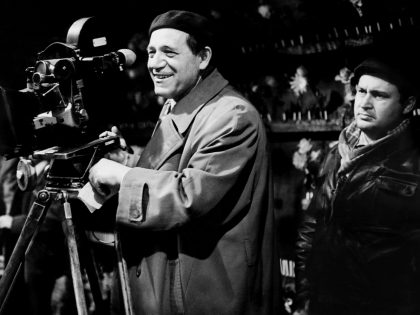
Slatan Dudow's cinematic career took him from rural Bulgaria to working with Bertolt Brecht — making him one of the twentieth century’s most important socialist filmmakers. Yet the director's work has undeservedly been forgotten.
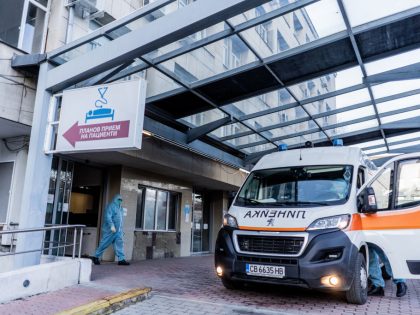
Even before the pandemic, Bulgaria’s public health system had been wrecked by privatization. Now suffering among the world’s highest COVID mortality rates, Bulgaria provides a case study in how “market reforms” hobble public infrastructure and suck skilled workers from the European Union’s poorest countries to its richest.

Last fall, Armenia was devastated by a six-week war with its neighbor Azerbaijan, ending in the deployment of Russian peacekeepers across the disputed Nagorno-Karabakh. Yet the "peace agreement" has done nothing to resolve the deeper reasons for the conflict, in the ethno-nationalist strife which has simmered since the fall of the USSR.
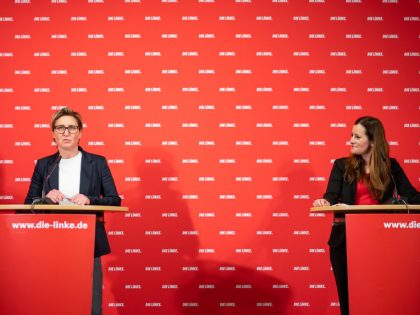
After years of stagnant poll numbers and declining electoral results, Germany's Die Linke party hopes that its new leadership team will return it to the promise of the 2000s. But as its social base in the former East fragments, the left-wing party doesn't just need a different marketing strategy — it needs to rebuild its roots in working-class life.
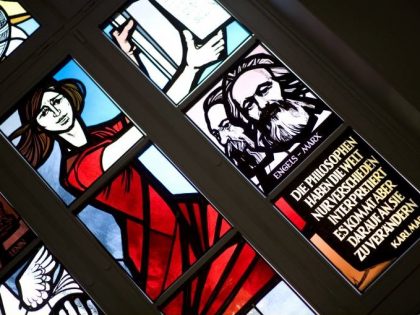
The East German protests in the fall of 1989 included many who aspired for a democratic socialism. In the state's final years, the young supporters of the Modern Socialism Project fought for an alternative to authoritarianism — promoting an ecological socialism rooted in democratic rights.
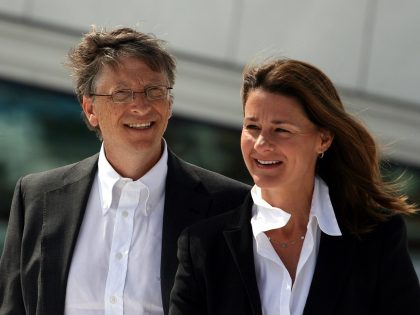
The Bill and Melinda Gates Foundation promised Africa a “Green Revolution” to fight hunger and poverty. It hasn't worked — but it has upped corporate agriculture’s profits. Local farmers are being left empty-handed, and hunger is rising.
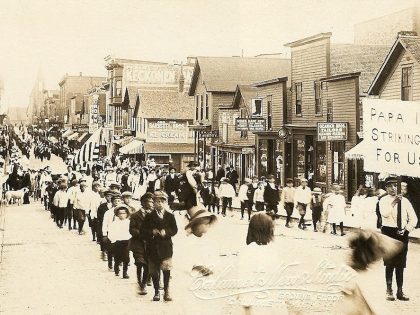
On Christmas Eve in 1913, a pitched battle between organized labor and the mining barons of northern Michigan climaxed in the gruesome deaths of over 70 union supporters and their children. The 1913 Massacre struck a debilitating blow to the region’s labor movement and changed the Upper Peninsula forever. But it’s been largely forgotten in popular consciousness.
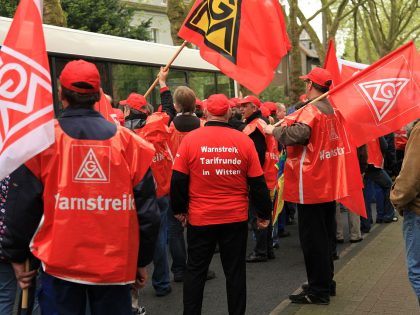
Rooted in Germany's metalworks industries, IG Metall is one of the world's strongest trade unions. But the need for climate action is forcing it to take a more critical approach to the industries where its members work — and fight for a green transition that creates new kinds of high-paid, fulfilling jobs.
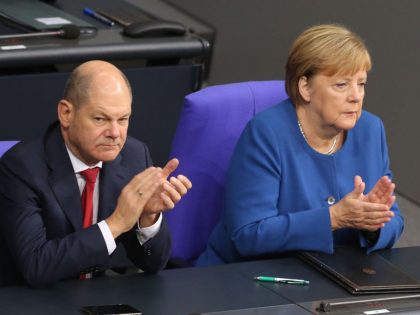
With the announcement that Olaf Scholz will lead Germany’s SPD into the 2021 elections, chances for a revival of social democracy in the heart of Europe appear grim. But prospects for the radical-left Die Linke aren’t looking much better, either — stalling hopes of a break with Christian Democratic dominance.
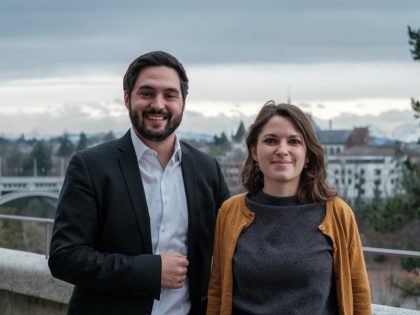
This Saturday, Mattea Meyer and Cédric Wermuth are set to become the new copresidents of Switzerland’s Social Democratic Party. They told Jacobin why they think they can pull their party to the left — and stand up for those who aren’t benefiting from their country’s great wealth.
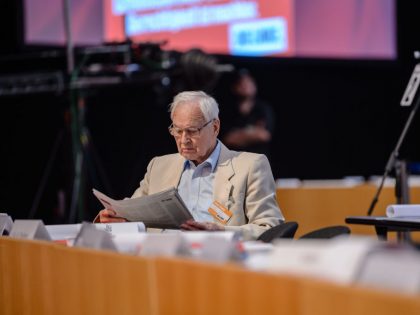
After the Berlin Wall's fall, the introduction of the West German currency was widely presented as the East’s path to prosperity. But the result was a fire sale of East German industry to Western businesses — a massive destruction of jobs and public property whose harmful effects are still felt 30 years after reunification.
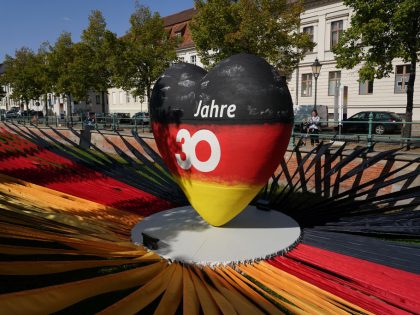
Thirty years since German reunification, the “new states” from the former East still suffer the effects of mass deindustrialization and emigration. But if reunification hasn't delivered the promises of 1990, socialists should recognize why most East Germans didn't defend the old system — and why welfare and public services aren’t enough to build a viable socialist society.
Jacobin has been publishing for 10 years now. And we still retain the hope that the solution to the world’s ills will come through more popular democracy and freedom, and not less.
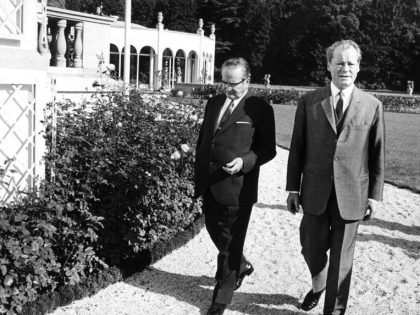
Yugoslavia’s partisan movement singlehandedly defeated Nazi occupation and paved the way for a radical transformation of society. Yet socialist Yugoslavia was ultimately broken by its own internal contradictions — and its unwillingness to push that transformation further.