“We Fought for a Freer, Greener East Germany”
- Loren Balhorn
The East German protests in the fall of 1989 included many who aspired for a democratic socialism. In the state's final years, the young supporters of the Modern Socialism Project fought for an alternative to authoritarianism — promoting an ecological socialism rooted in democratic rights.
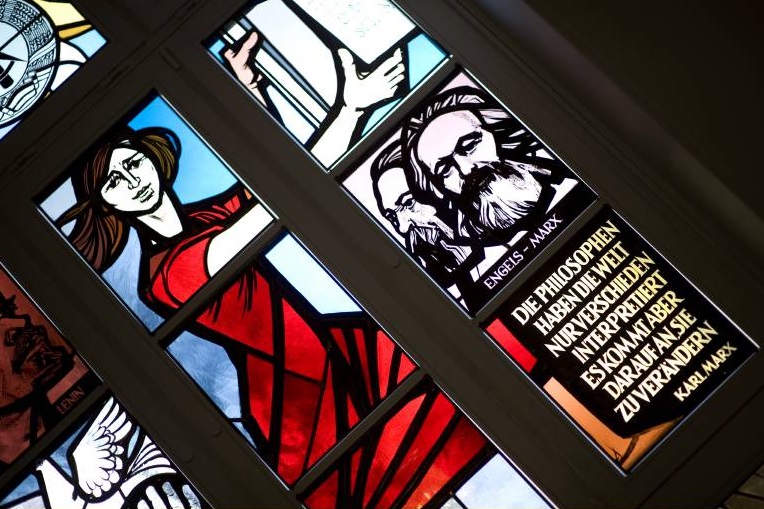
The Modern Socialism Project at Humboldt University bolstered a demand for a redefinition of the ruling party’s function within the East German state, including the demand for parliamentary elections. (Humboldt University DEU Germany)
In politics and society, it’s not enough to merely want what is right — you also have to have the strength to carry it through. That’s something that left wingers can learn from their own history.
Between 1987 and 1990, there was a research project at the Humboldt University in East Berlin, of which I was a member. Driven by a group of mostly young social scientists between twenty and thirty-five years old, it had a very practical impact. The project became known as the “Modern Socialism Project” in the fall of 1989, but it’s since been forgotten.
Societal remembrance is a cultural and political process, regulated by prevalent power relations. The memory of the “Peaceful Revolution” that led to the overthrow of the established order in the German Democratic Republic (GDR) has for three decades now been determined by the hegemonic public sphere and the commemorative rituals of the German state. But, several important facts have been lost sight of in that process.