
Give 16-Year-Olds Something to Vote for, Not Just the Vote
Austria’s experience with 16-year-old voters shows that expanding the franchise does little to restore trust when elections amount to a choice between managed decline and the far right.
Jonathan Sas has worked in senior policy and political roles in government, think tanks, and the labor movement. He is an honorary witness to the Truth and Reconciliation Commission of Canada. His writing has appeared in the Toronto Star, National Post, the Tyee, and Maisonneuve.
Austria’s experience with 16-year-old voters shows that expanding the franchise does little to restore trust when elections amount to a choice between managed decline and the far right.
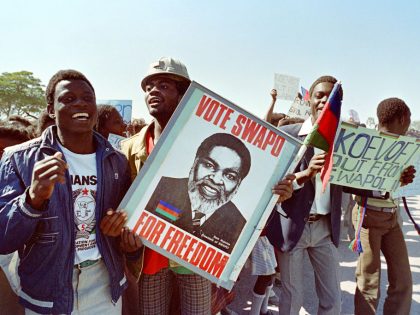
After more than a century of German and South African rule, Namibia finally gained its independence on this day in 1990. Working-class struggles and organizations played a vital role in the country’s long march to freedom.

Growing up after the monarchy’s fall, Nepal’s youth are confronting a republic that transformed political institutions while leaving the underlying social order intact.
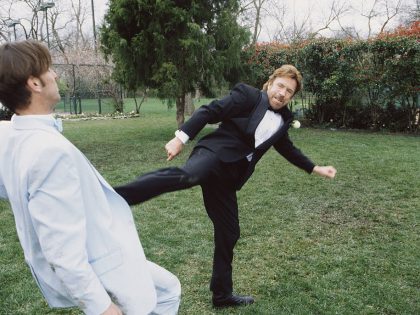
Twenty years before Donald Trump was posting AI images of himself as a king, the internet learned how to meme by exaggerating the masculine superiority of Chuck Norris. What began innocently with “Chuck Norris Facts” has evolved into MAGA’s empire of slop.

By treating young adult fiction as a laboratory for professional-class moralizing, the publishing industry has effectively abandoned actual teens.
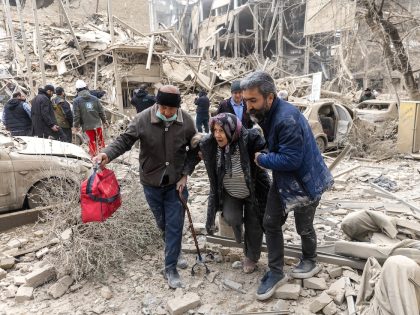
Donald Trump has resurrected the military fantasy of the “video game war,” waged mostly through high-tech, lethal air power with few US casualties. But his administration may have miscalculated the ease of what can pass as victory.

British class society had a dress code: the rich could be flashy, but workers were expected to wear a drab uniform. In the 1950s, England’s working-class Teddy Boys and Girls boldly donned pompadours and velvet, giving birth to modern British subculture.
The affluent often blame poverty on bad budgeting skills, claiming the poor just need to be taught financial literacy. But working-class people require living wages and a functioning safety net, not condescending lectures about money management.

Timothée Chalamet’s offhand jab at “dying” high culture sparked celebrity outrage. But without robust public investment and democratic ownership, opera and ballet will keep shrinking into elite pastimes instead of surviving as vibrant public art forms.
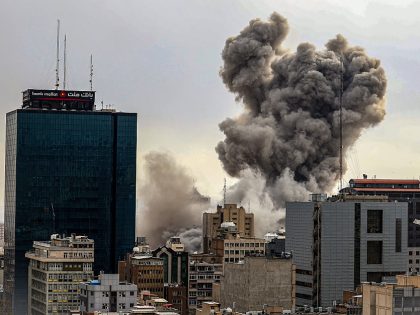
The Trump administration has spent around $24 billion in public funds on its war against Iran so far. Here’s what that money might have been used for instead.

The proletarian revolution is playing out on a desktop near you.
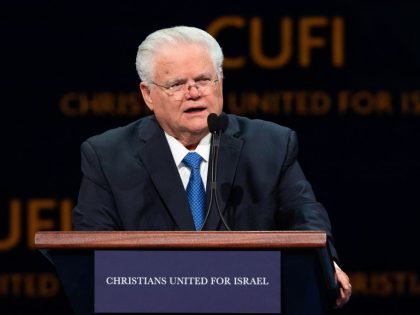
The Christian Zionist movement has long pushed for regime change in Iran. With allies in Donald Trump’s inner circle and its ideas seeping into the US military, it has played a key role in building support for the current war.

Sanctions were once sold as a gentler foreign policy tool for exerting pressure on dictatorships and terrorist organizations. Yet measures like banning individuals from having bank accounts or traveling are increasingly used to chill free speech in Europe.
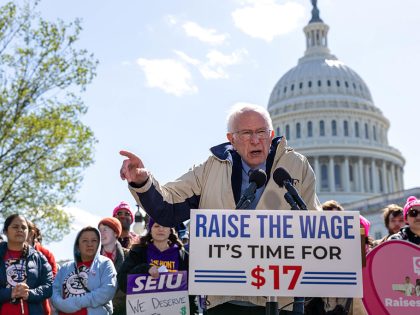
Some on the Left believe that the capitalist system will not tolerate any greater interventions in its operation or redistribution of its spoils. There is no good evidence that this is true.
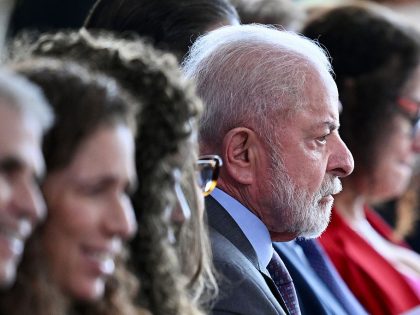
As Luiz Inácio Lula da Silva seeks his final term as Brazil’s president, the Left’s electoral strategy — who runs, which factions align, and how the coalition balances pragmatism with principle — is already shaping the post-Lula era of Brazilian politics.

Postliteracy won’t replace reason with madness, but it might give us madness of a new and different type.
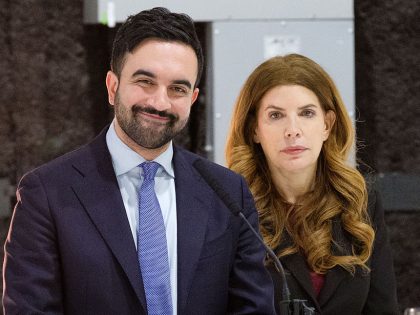
Socialist Mayor Zohran Mamdani wants to tax the superrich to fund universal childcare and other urgent working-class needs. The oligarchic city council Speaker Julie Menin is trying to block his agenda.
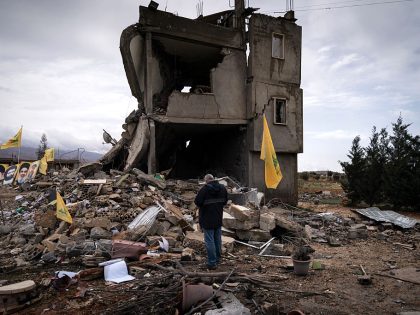
Israel is again invading Lebanon and displacing hundreds of thousands of people. With Israel determined to crush all forms of resistance, Lebanon has been dragged into a war it did nothing to start.
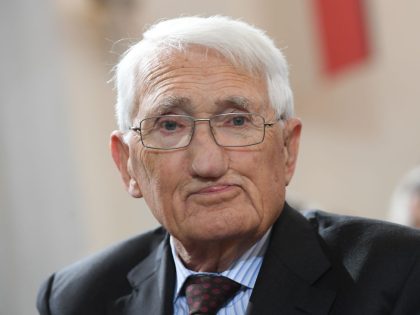
The late Jürgen Habermas saw Europe as a vehicle for a social democratic, postnational politics. But as the real European Union increasingly diverged from this ideal, Habermas’s thinking failed to reckon with the project’s fundamental limits.
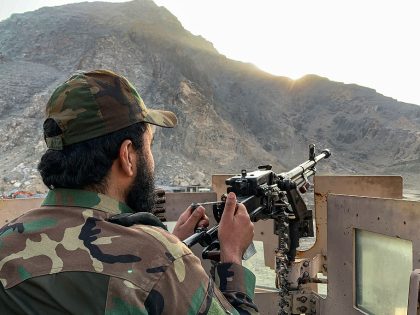
Clashes between Pakistan’s military and Afghanistan’s Taliban rulers took a bloody turn this week as an air strike in Kabul killed at least 100 people. With world attention focused on the Middle East, there’s little sign of either side backing down.