Attacks on Freedom of the Press Are Ramping Up
The state of democratic rights for journalists in some of the world’s leading Western powers is becoming increasingly worrisome.

The state of democratic rights for journalists in some of the world’s leading Western powers is becoming increasingly worrisome.

The Iranian leadership has managed to contain the biggest protest wave since the 1979 revolution. De-escalation of geopolitical tensions with the US would help the protesters, making it harder to depict domestic dissent as the product of foreign interference.

Greek premier Kyriakos Mitsotakis is cut from the same cloth as Hungary’s Viktor Orbán, attacking press freedom and brutalizing refugees. The EU’s leading actors have backed Mitsotakis to the hilt, and his political dominance was forged in Berlin and Brussels.

England’s Luddites are often dismissed as kooky technophobes. In reality, theirs was a gutsy pre-Marxist workers’ movement that prioritized people and nature over private property.

Mexican president AMLO has launched ambitious efforts to strengthen Mexico’s sovereignty over its energy, mining, and agriculture sectors. It’s provoked challenges to AMLO’s democratic mandate not only from the US, but also Canadian premier Justin Trudeau.

This month, Poland’s liberal opposition mobilized hundreds of thousands of people to protest the ruling party’s attacks on the rule of law. But it’s less clear that it’s winning over the government’s supporters, who remain wedded to its social programs.

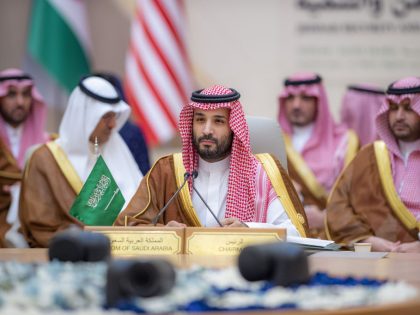
The transfer of stars like Karim Benzema to the Saudi Pro League has fed calls to stop its poaching of big-name players. But Saudi control is the natural outcome of the sport’s transformation into a plaything for billionaires.

The NBA has presented itself as the most socially conscious of the major US sports leagues. But when it comes to Israel, the redlines are clear.

The newest of artist Dora Garcia’s films on feminist revolution, Amor Rojo’s simultaneous exploration of Soviet feminist Alexandra Kollontai and today’s Mexican feminism is the most compelling yet, but it misses the politics of the contemporary moment.

Guerilla armed struggle alone won’t accomplish the goals of Palestinian liberation, says longtime Palestinian leftist Issam Aruri. Strikes, demonstrations, and an organized movement of millions are the key to ending Israeli occupation.

An Asian challenger to the International Monetary Fund has garnered support from China. But without a radical departure from the existing neoliberal model, more of the same international development financing isn’t the answer.

Mainstream economists claim that we can only cure inflation if workers and the poor have less to spend. Instead, we need to think outside the box — by turning to tax-funded wealth redistribution and limits on profiteering.

Israel’s decades-long occupation of Palestinian territories has given it a special know-how in imposing military control over civilians. Governments around the world admire its example — and are ever keener to import its repressive technologies.

Historian Robin D. G. Kelley has uncovered a tradition of African American radicalism that was — and is — a crucial part of the American left’s history. He talks to Jacobin about the need to connect struggles against racism and class oppression.

Historian Jairus Banaji has developed a highly original perspective on the history of capitalism that stresses the importance of commercial capital. His work is essential reading for anyone who wants to know how the global economic system took shape.

After months of brinkmanship, NATO chiefs have announced that Sweden will be allowed to join the alliance. The deal rewards Turkish demands for Sweden’s collaboration in its anti-Kurdish repression — and makes a mockery of NATO’s purported stand for freedom.

Ireland’s neutrality policy has a complex history, but it has blocked Irish participation in disastrous wars and enabled some positive interventions in world affairs. We should resist pressure to scrap neutrality, whether or not it means formally joining NATO.

It should be a matter of course that self-identified leftist and progressive members of Congress should vote down the annual bloated, dangerous, war-profiteer bonanza that is the military budget.

Crunching the numbers on the class war.

Journalist Sylvain Cypel grew up in a labor Zionist family and served in the Israeli military before becoming disillusioned. In an interview, he speaks about Israel’s unsparing war in Gaza and what it will take to end the occupation.