Paolo Tedesco teaches medieval history at the University of Tübingen. His research focuses on the social and economic history of late antiquity and the Middle Ages, the fates of the peasantry across different types of society, and the long history of capitalism; his recent publications include Writings on the Tributary State and Commercial Capitalism and Living at the Margins: African Peasants in an Age of Extremes, 300–900 CE.
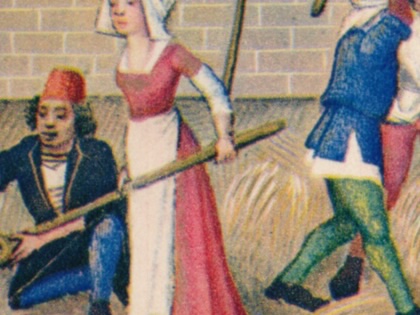
The British medieval historian Chris Wickham, who died earlier this month, transformed our understanding of the Middle Ages. Rooted in the great tradition of British Marxist historiography, Wickham covered a staggering range of case studies in his work.

Our images of the Roman Empire are dominated by the monuments and lifestyles of wealthy urban elites. An important new history shifts our attention to the 90% of Rome’s population whose brutally exploited labor made it all possible.

After taking part in Italy’s radical left-wing upsurge, Franco Ramella turned to writing about the early history of Italian capitalism and working-class resistance. His brilliant work has strong echoes of E. P. Thompson’s Making of the English Working Class.

Historian Jairus Banaji has developed a highly original perspective on the history of capitalism that stresses the importance of commercial capital. His work is essential reading for anyone who wants to know how the global economic system took shape.
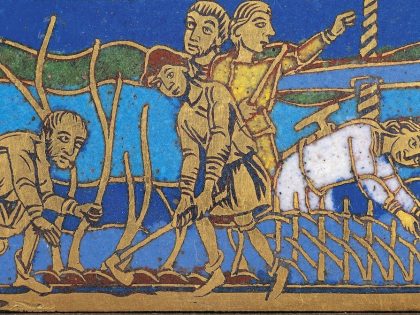
Class societies didn’t begin with capitalism: the ancient and medieval worlds had their own systems of exploitation. Marxist historians have set out to explain how those systems worked — and what their eventual demise tells us about what might lie ahead.
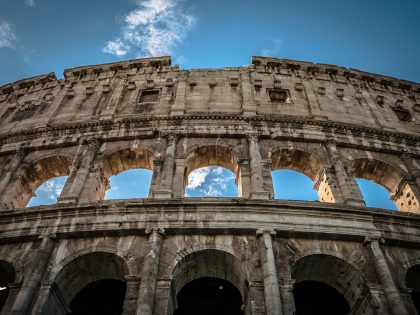
Historian Walter Scheidel claims to have found the surprising secret of Europe’s rise to world domination: the collapse of the Roman Empire. Scheidel’s work is an impressive, globe-trotting feat of scholarship, but his argument ultimately fails to convince.