
Issue 49: Inside the Teamsters’ Preparations for a UPS Strike
This summer could see 350,000 UPS workers walk off the job in the United States’ largest strike in decades. The Teamsters are getting ready. Here’s a look at how.
This summer could see 350,000 UPS workers walk off the job in the United States’ largest strike in decades. The Teamsters are getting ready. Here’s a look at how.

Philadelphia congressional candidate Chris Rabb is candid about his democratic socialist politics, saying, “Socialists need to expose the role of both parties in our crisis and point toward a future where the working class holds power.”
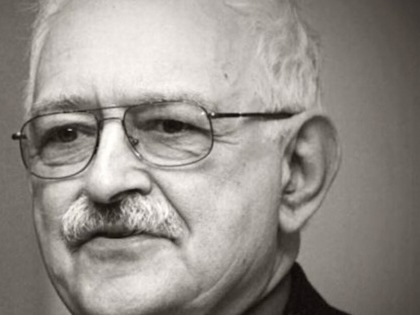
Soon after 9/11, world-systems analyst Immanuel Wallerstein warned that US imperial decline was inevitable. But US leaders didn’t want to hear that their glory days were in the past, and they’ve managed that decline in the worst possible way.

Chris Smalls shot to prominence for playing a key role in the shock union win at a New York Amazon warehouse. He was charismatic and energetic at a time labor needed both. But in the years since, his own ego has overwhelmed his political contributions.

Billionaires like Howard Schultz like to claim that that we should be grateful for all the jobs they create. But the ultrarich don’t create jobs in any meaningful sense — they just reap the rewards of asset ownership and the labor of their workers.
A radical middle-class insurgency has stormed the Republican Party.

Emile Chabal, author of a new biography of the massively popular and influential historian Eric Hobsbawm, explains how Hobsbawm’s Central European roots set him apart in Britain — and why he kept faith with communism through the devastation of his century.

Why millennials don’t grow up.
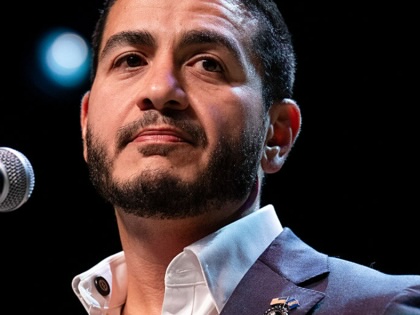
Michigan Senate candidate Abdul El-Sayed has long been a Medicare for All champion, but his current health care proposal would allow for private insurance alongside a public option — a setup bound to undermine support for the public plan.
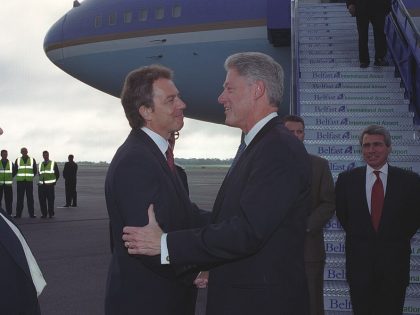
Sociologist Stephanie L. Mudge examines how and why center-left parties across the world swallowed the neoliberal gospel — only to demolish their own social base.

While outwardly neutral, Senate Minority Leader Chuck Schumer has been quietly putting his thumb on the scale in the Iowa Senate primary, with millions in PAC money flowing only toward the establishment-friendly candidate.
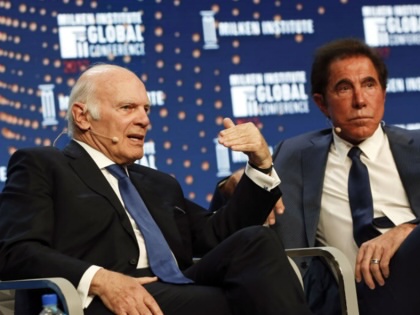
Facing the prospect of paying a bit more in taxes, billionaires are responding calmly and rationally: by calling themselves a marginalized, oppressed minority group being traumatized.

There is much to celebrate in Jacobin’s ten-year anniversary. We’re fostering a stable of socialist researchers and journalists — intellectuals who can deploy the same techniques as the professoriate, but toward ends that are dictated by their political commitments, not professional pressures.

There were many good things in the stimulus package. But claims that Biden’s Democratic Party has embraced structural change are overblown: an injection of much-needed cash isn’t the same thing as empowering workers or creating a constituency for change.
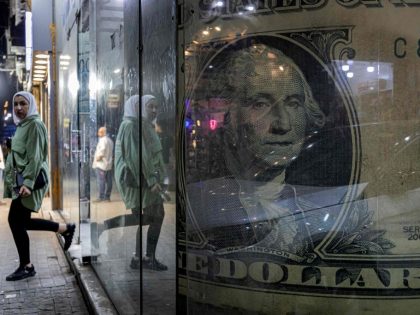
The US has built up an elaborate machinery for waging economic warfare on its rivals with little or no public debate. This sanctions-industrial complex is a disguised form of imperialism and a dangerous source of global instability.

A new report reveals that Americans funded the development of all ten drugs up for price negotiations with Medicare, but Big Pharma still wants to keep prices for those publicly funded drugs sky high.

Rep. Andy Ogles’s comment that “we should kill them all” in Gaza has drawn little outrage, to say nothing of public censure like what Rep. Rashida Tlaib has faced. That’s because openly calling for genocide of Palestinians has become normalized in America.

Itamar Moses’s new play The Ally, about free speech and Israel, boldly broaches the topic of Palestine activism on US college campuses. But the play ultimately stays on the safe side, endorsing agnosticism and inaction in a time of massacres.
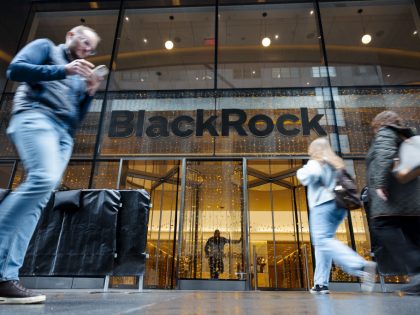
Finance’s dominance over the economy isn’t a deviant evolution of a “good” industrial capitalism. Finance and industry are interdependent — meaning solving problems like inequality and climate change will require a far-reaching democratization of the economy.

Look past the theatrics of a feisty, bellowing president and reactionary hecklers. Joe Biden’s State of the Union address didn’t offer working-class people a clear economic alternative or signal real opposition to Israel’s brutal war in Gaza.