The Biden Hawk Behind Trump’s Iran War
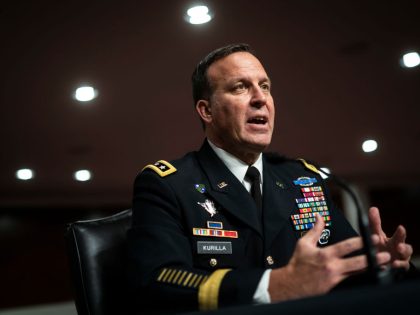
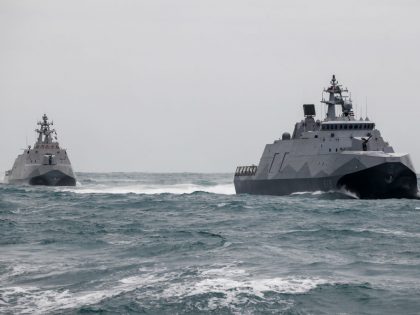
Outgoing CENTCOM commander Michael Kurilla has had Iran in his crosshairs for years as part of a larger vision for keeping China out of the Middle East and squeezing it in an eventual conflict.

Outgoing CENTCOM commander Michael Kurilla has had Iran in his crosshairs for years as part of a larger vision for keeping China out of the Middle East and squeezing it in an eventual conflict.

Donald Trump’s erratic tariff rollout seems likely to deepen the world’s dependence on China and scare off investment in US reindustrialization, undermining his own administration’s stated goals. There’s no art to this incoherent, self-destructive deal.
China’s ambitious new urbanization plan comes with a set of contradictions the Communist Party won’t be able to control.

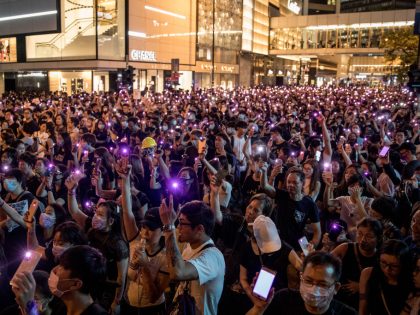
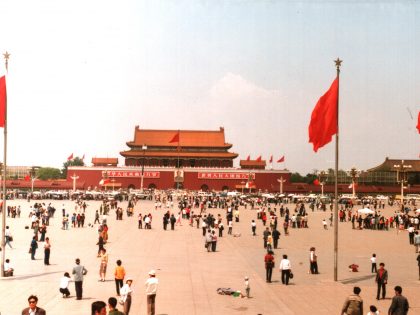
30 years ago, the Chinese government began its massacre of hundreds of student and worker activists at Tiananmen Square. The government wants to erase this history from memory, because they fear students and workers again taking to China's streets.

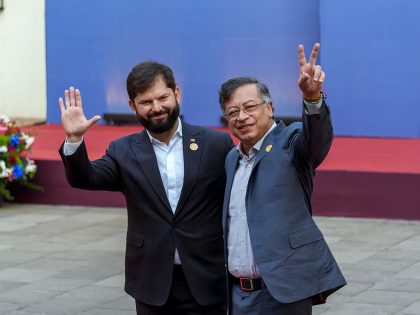
One of the results of the Pink Tide, the wave of left-wing governments that swept Latin America in the 2000s, was to strengthen ties with China and other Global South nations. Donald Trump rightly sees this emerging order as a challenge to US hegemony.

A viral Chinese meme imagines Americans one mishap away from ruin, while American influencers fantasize about China as a frictionless techno-utopia. Each reveals less about reality than about shared economic anxieties.

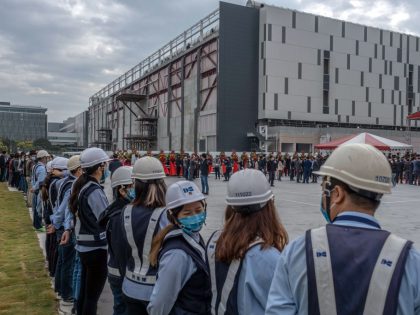
Tech workers in China and the US recently united in the largest display of tech worker solidarity we’ve ever seen. It’s exactly what we need to prevent a global race to the bottom in tech.

The Taiwan Policy Act has advanced through a Senate committee by a bipartisan vote. It’s the latest instance of the US chipping away at the “One China” policy. The result could be the very war the bill is meant to deter.

Semiconductors are as important for global capitalism today as access to energy resources. Only a handful of countries can produce the most advanced microchips, and control over their supply is becoming a key battleground in the US-China trade war.

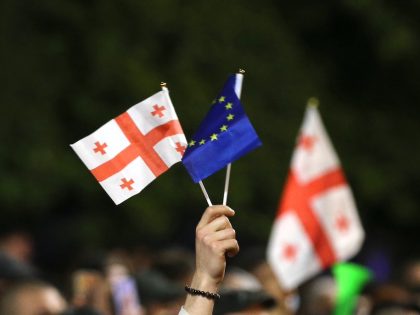
Georgian liberals hope Saturday’s election will see a shift toward pro-EU parties. Yet the Georgian state’s dependence on bigger powers is making the country’s politics part of a wider geopolitical contest, as tensions rise between the US, Russia, and China.

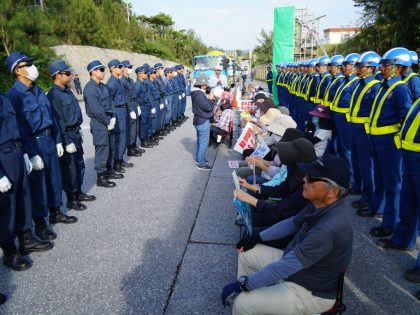
With growing talk of a possible conflict over Taiwan, the US and Japanese governments have put Okinawa at the heart of their war strategies. But the island’s people have suffered enough from great-power militarism and are organizing their own peace movement.

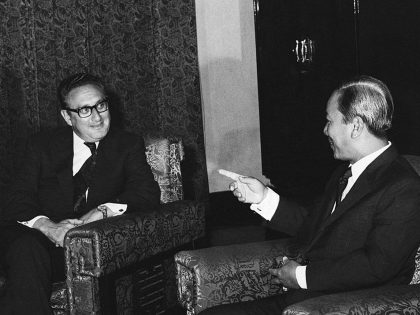
In Vietnam, Henry Kissinger had no principles whatsoever. There’s nothing to suggest that he had qualms about people dying or suffering.

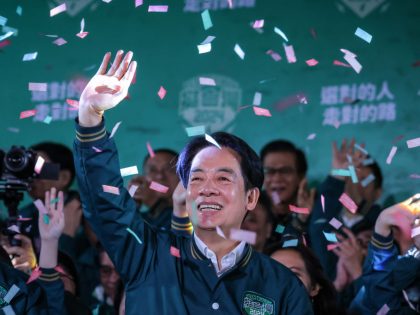
Lai Ching-te has been elected Taiwan's next president in a vote widely presented as a rebuke to China. But millions of Taiwanese were more concerned by economic issues than geopolitics, with low-wage young voters swinging behind a third-party insurgent.

In solidarity with the recently imprisoned former president Jair Bolsonaro, Donald Trump levied tariffs of 50 percent on Brazil. He is quickly learning that the US’s influence is weaker than he thought, thanks largely to Brazil’s growing ties with China.

Faced with the return of great power rivalry between the US and China and its own economic stagnation, the European Union seems as divided as ever.

Exhausted and alienated Chinese students and white-collar workers are “lying flat” to register discontent with the status quo. For their protest to produce change, they’ll need to transform individual passivity into collective activity.

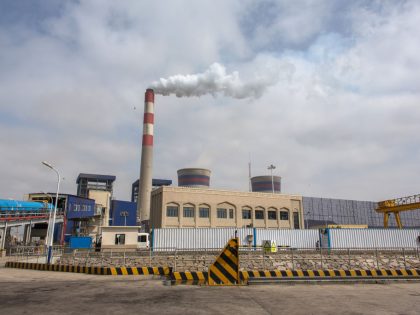
Chinese president Xi Jinping’s focus on green investments overseas under the Belt and Road Initiative is ambitious and environmentally necessary. But tighter enforcement of its climate pledge is necessary to curb coal on a global scale.

China doesn’t have an empire. The United States doesn’t need to saber-rattle. And we really don’t need to fight these forever wars.

Amid rising tensions in the Southeast Asian Sea, both the US and China are courting the Philippines. Most Filipinos would prefer a nonaligned foreign policy — but Manila’s elites keep lining up with the US, further threatening regional peace and stability.

Pundits have lauded the Biden administration for replacing the free-market consensus with supply-side liberalism. But it is geopolitical tensions with China and labor’s weakness that have made elites feel comfortable with a milquetoast industrial policy.