Moldova’s Movement From Below
The protesters in Moldova are more than pawns in a geopolitical game between Russia and the West.
The protesters in Moldova are more than pawns in a geopolitical game between Russia and the West.
President Obama’s Supreme Court nomination exemplifies the liberal politics of accommodation.
Pittsburgh's much-touted revival has remade the region for the wealthy while leaving workers and the poor behind.

Since the 2016 election, West Virginia has been stereotyped as a bastion of Trump supporters. But community organizer Stephen Smith believes that a campaign for economic justice can attract broad support in the state — and he’s running for governor to prove it.
Clint Eastwood's iconic character spawned generations of vigilante cop fantasies.
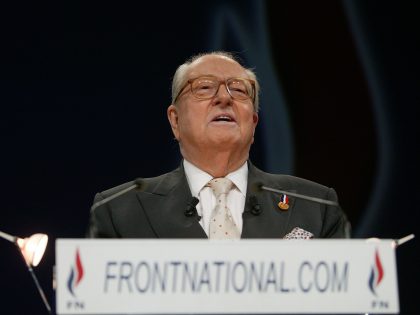
In the new memoir of Jean-Marie Le Pen, founder of France's Front National, the powerful currents of resentment and authoritarianism that animate the far right are well on display.
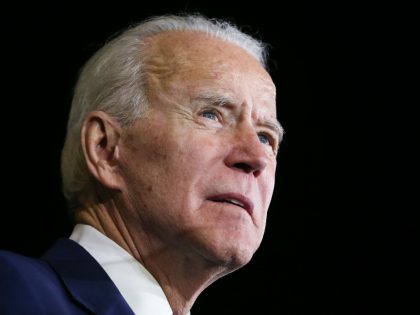
Joe Biden’s string of primary victories highlights a central paradox of his career: he has secured the loyalty of African American voters while working nonstop to let them down.
Donald Trump’s economic advisers released a bizarre report attacking socialism yesterday. Socialists can only take one lesson from it: we’re winning.
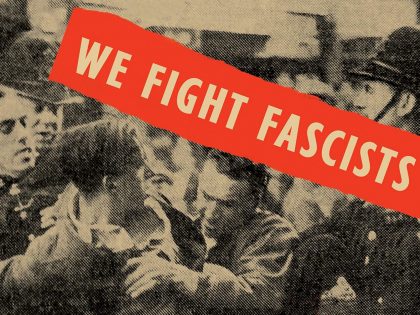
In the years after the defeat of Nazism, Britain's fascist movement alarmingly began to rebuild. But a group of young British Jews sprung into action to beat the fascists off the streets.
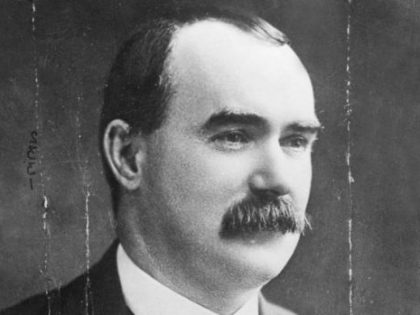
Born on this day in 1868, the republican socialist James Connolly was Ireland's most famous revolutionary. Over a century after he was killed by the British, his writings on imperial violence and the capitalist degradation of human life are more relevant than ever.
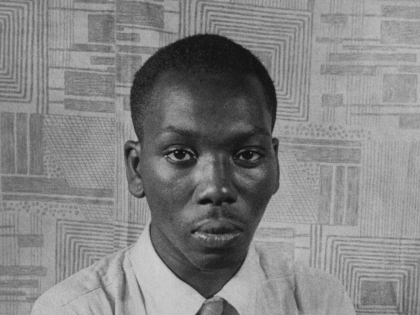
Jacob Lawrence was one of twentieth-century America’s most celebrated black artists. In Struggle, his series of paintings on the American Revolution, he opened up new territory in American history by venturing beyond the narrow set of topics like Harlem, jazz clubs, and cotton plantations which had become synonymous with black art in mid-century America.

Victory for socialist candidate Luis Arce in last month's Bolivian election seemed to turn the page on the overthrow of Evo Morales last fall. But the murder of miners' leader Orlando Gutiérrez just after the election shows that the coup plotters are still a violent threat — and will do all they can to silence working-class Bolivians.

Lush prides itself on a progressive image, but the company’s union-busting in Toronto tells another story.
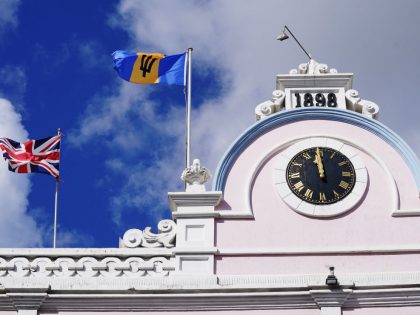
Barbados’s decision to become a republic happily brings to an end its centuries-long formal subjection to the British Empire. But as the country has already discovered in its dealings with the IMF and World Bank, not all forms of colonialism are so easily rebuffed.

Federal Reserve chairman Jerome Powell plans to address sky-high inflation by hiking interest rates — acknowledging that doing so will suppress wages and worker power. It's a response that will force workers to bear the brunt of the inflation crisis.
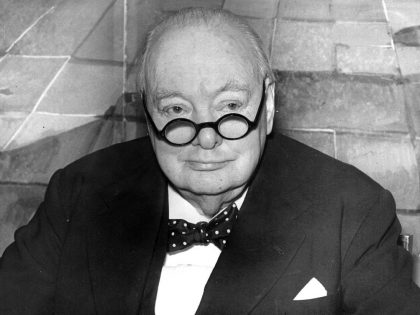
Winston Churchill has become all but deified in modern Britain. But in his own lifetime, Churchill was often recognized for who he really was: an unrepentant imperialist and racist, a foe of trade unions and women’s rights, and a defender of elite privilege.
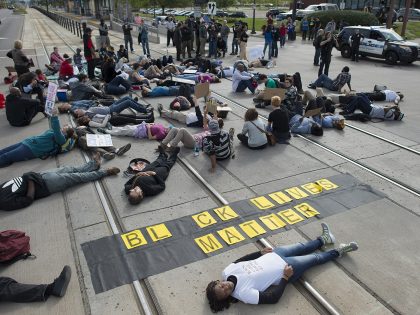
Olúfẹ́mi O. Táíwò responds to John-Baptiste Oduor's recent review of Elite Capture.
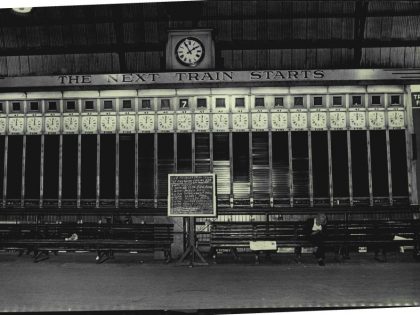
When Tramways Union secretary Clarrie O’Shea refused to pay fines imposed on his union, the authorities imprisoned him for contempt of court. The move triggered a general strike that freed O’Shea and turned Australia’s anti-union laws into a dead letter.
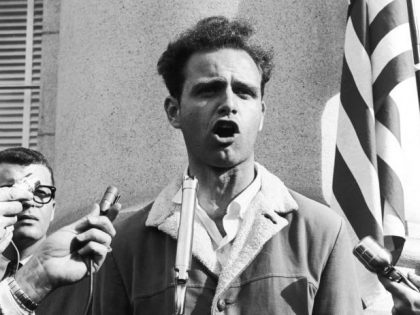
The Free Speech Movement at Berkeley was a watershed moment in 1960s student organizing. Through unprecedented mobilization, rejecting the expansion of McCarthyist-inspired rules to strangle political activities on campus, and a refusal to allow the administration's efforts to split the movement, students won their basic rights to free speech on campus.
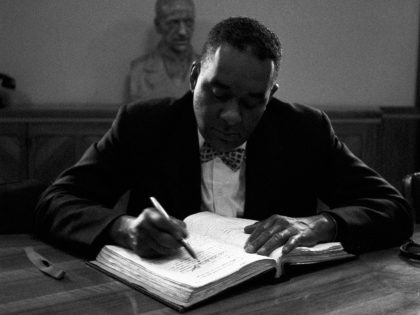
FDR’s Federal Writers’ Project employed thousands of out-of-work writers to produce guidebooks, compile local histories, and collect stories of the country at a moment of turmoil. We need an equivalent program today.