“Ethical” Brand Lush Cosmetics Is Actually a Terrible Place to Work
Lush prides itself on a progressive image, but the company’s union-busting in Toronto tells another story.
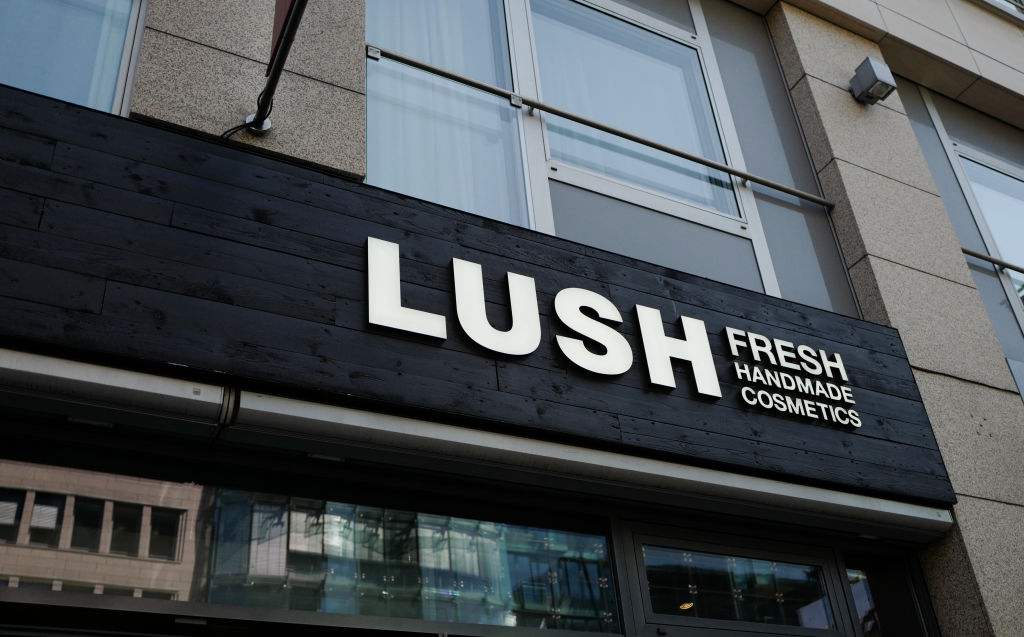
Employees at the Lush cosmetics company have kicked off an international organizing campaign called the Global Lush Union. (Jeremy Moeller / Getty Images)
The British ethical cosmetics company Lush markets itself on its progressive values. However, its opposition to attempts at unionization at its Toronto warehouse has exposed a deep cleavage between the company’s stated ethical commitments and its opposition to workers’ autonomy.
Lush has a history of supporting progressive causes. In the UK, the company has thrown its weight behind anti-austerity campaigns, opposed abuses of power by undercover police officers, raised money for victims of the Australian wildfires, and even handed out free sanitizer during the height of the pandemic. The company’s do-gooder reputation has given many customers the impression that it is, in some way, different from other capitalist firms.
Economic pressures, however, apply just as much to Lush as they do to any other profit-making enterprise. In an interview with the Guardian, Lush’s cofounder Mark Constantine admitted that economic constraints made living up to the company’s ethical ideals difficult. A perfect situation for Constantine would be to create a virtuous circle between workers, the company, and the state. Thus far, his attempts to succeed at this approach are, he conceded, “not really getting on very well.”