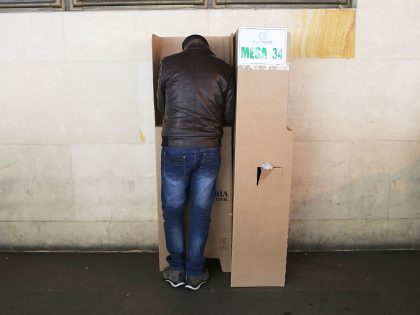
Colombia’s Future Is at Stake
With the Right threatening a fragile peace, today's elections are the most important in Colombia’s recent history.
With the Right threatening a fragile peace, today's elections are the most important in Colombia’s recent history.
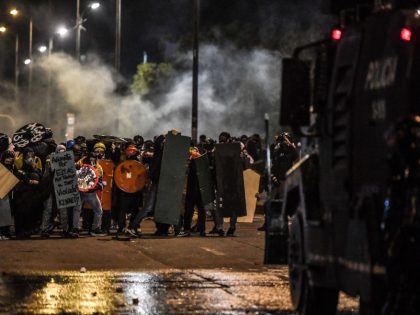
The latest round of protests against Colombia’s right-wing government has seen a brutal crackdown, leading to at least 43 deaths. But the mass movement against neoliberalism and state violence is only growing stronger.
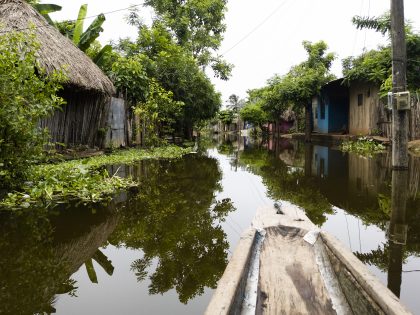
The Sinú River in Colombia has provided food, water, and transportation to local people for thousands of years. In recent decades, wealthy landowners used violent force to push through construction of a dam that has caused disastrous flooding in the region.
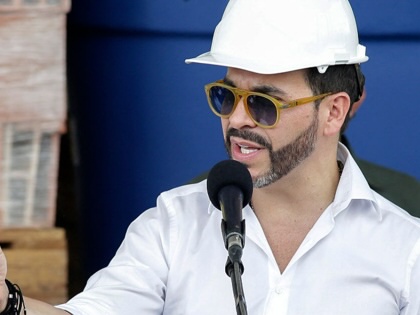
The response of Colombia’s new leader, Abelardo de la Espriella, to a deadly earthquake has been tawdry beyond belief. The reactionary president has used the disaster for publicity stunts and will only accept overseas aid from his far-right allies.
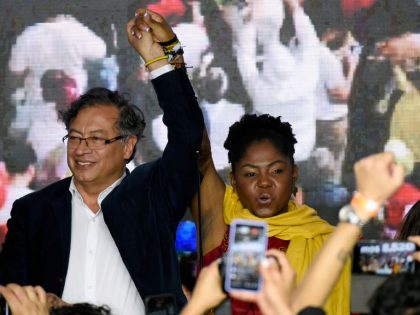
On Sunday, Rodolfo Hernández, a right-wing populist, snuck into the second round of Colombia’s presidential elections. Leftist Gustavo Petro is still the front-runner, but the Right's unexpected success should be cause for alarm.
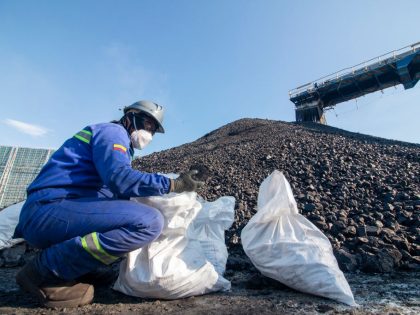
Colombia was the biggest coal exporter to Israel — but last Saturday, president Gustavo Petro announced he would cut off the supply. The Colombian mobilization against the genocide in Gaza has shown the world how to put material pressure on Israel.
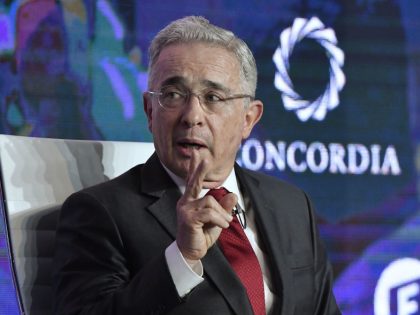
Colombia’s Supreme Court has placed former right-wing president Álvaro Uribe under house arrest on charges of manipulating witness testimony. Whatever happens to Uribe next, this will be a watershed moment for Colombian politics.
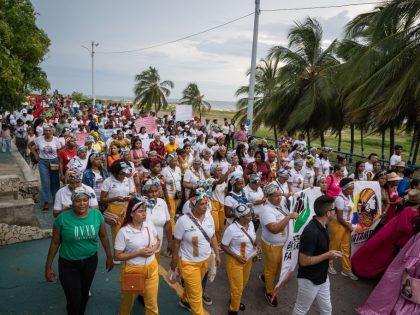
For too long, multinational energy companies have extracted resources from Colombia’s Guajira Desert region without sharing any of the benefits with indigenous residents. A new green initiative spearheaded by President Gustavo Petro aims to change that.
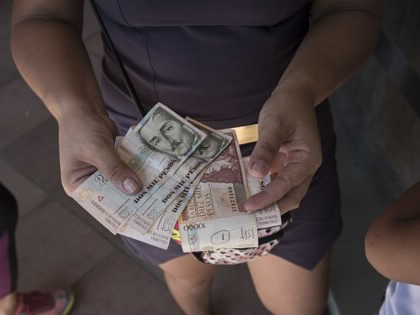
In Cali, Colombia, where few qualify for bank loans, the predatory “gota a gota” lending industry generates massive profits for criminal organizations. Many of the working poor don’t even know who their lender is — until they miss a payment.
Proponents of Colombia's peace deal underestimated their opponents' strength and failed to mobilize their own base.
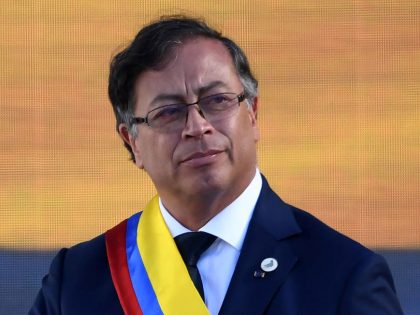
Colombia’s new leftist president, Gustavo Petro, took office Sunday. His government will face massive challenges in carrying out its promised progressive agenda — but success could help spark similar left insurgents throughout Latin America.
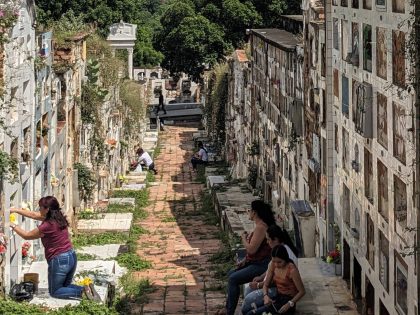
Recently, Colombia discovered mass graves in a cemetery over 150 years old in the city of Cúcuta. The bodies, many of which were smuggled into the graveyard this century, reveal unpleasant connections between right-wing militias, business, and the state.
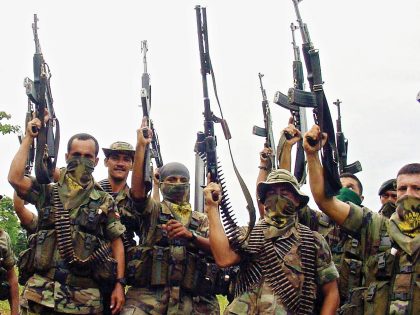
Álvaro Uribe came to power in Colombia shortly after 9/11 and declared his own war on terrorism with US support.
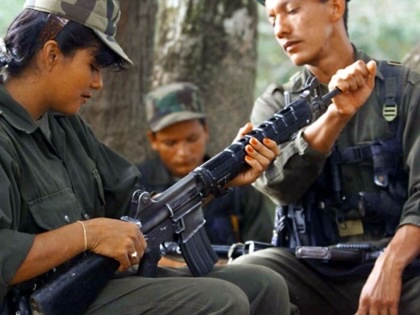
Tanja Nijmeijer’s memoir tells of how Colombia’s FARC was forced into a long and painful retreat. Her account of its political setbacks suggests that power doesn’t always flow from the barrel of a gun.
The biggest opponents of Colombia's peace process are the most removed from the reality of war.
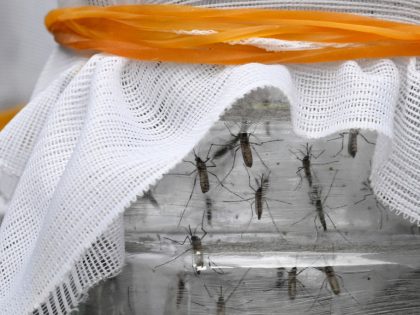
Colombia hosts many of the world’s most dangerous species of mosquitoes. Climate change is making them more prevalent.
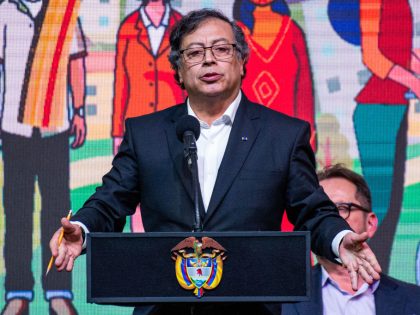
The Colombian right has done everything in its power to undermine Gustavo Petro. That hasn’t stopped the nation’s first leftist president from achieving ambitious reforms for Colombia’s poor and working class.

In recent weeks, Instagram and Facebook have censored posts focused on COVID-19 in India and protests in Colombia and Palestine — with little explanation as to why.
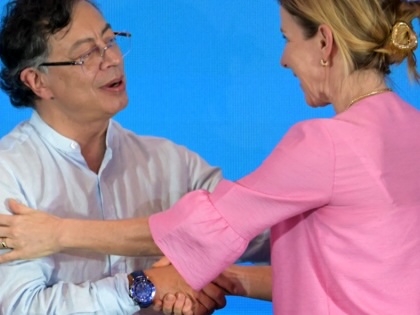
Colombia hosted a global summit on phasing out fossil fuels last month. Gustavo Petro’s left-wing government is confronting powerful oil and mining interests, but making Western countries follow suit is not easy.
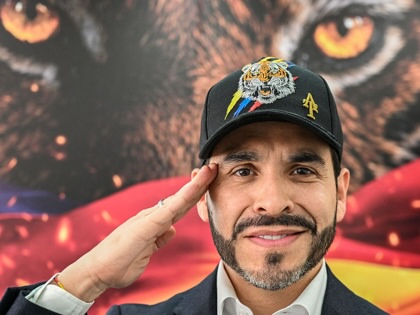
The commentariat has reached, almost in unison, for one word to explain Colombian presidential candidate Abelardo de la Espriella’s meteoric rise: populism. The label isn’t just inaccurate — it translates his elitist politics into antiestablishment complaint.