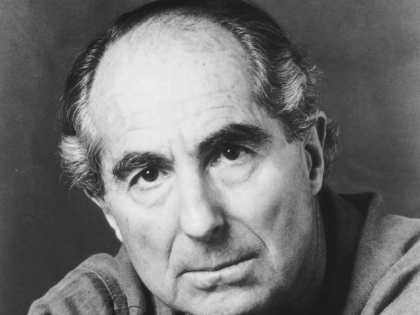
Philip Roth (1933–2018)
Philip Roth's work could only have been written by someone who came of age during the peak of postwar liberalism.
Philip Roth's work could only have been written by someone who came of age during the peak of postwar liberalism.
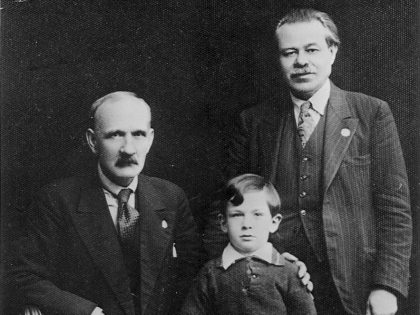
J. B. McLachlan’s tireless advocacy for coal miners’ rights left an indelible mark on Canadian labor history. McLachlan emphasized the pivotal role of members in upholding unions as bastions of resistance to class exploitation.
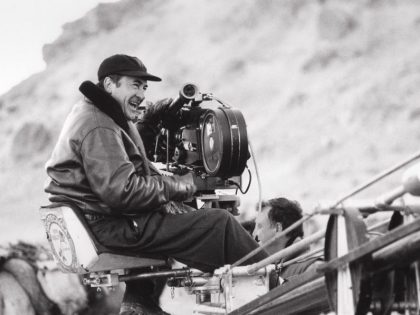
Italy's illustrious Marxist filmmaker Bernardo Bertolucci died last week. His films explored the death of the bourgeoisie; his legacy points us to the death of the chauvinist male auteur.
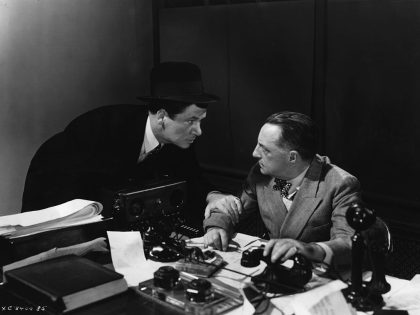
The gritty 1930s crime dramas of Rowland Brown offer contemporary movie watchers something they won’t easily get elsewhere: an adult ability to look directly at an infinitely corrupt world without flinching.
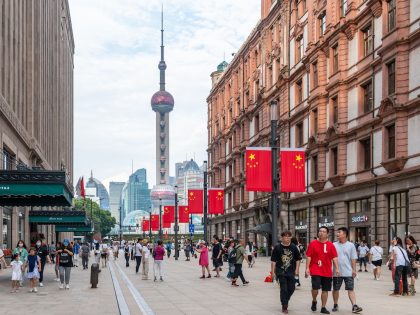
Frank Dikötter is the best-selling popular historian of China today. In his latest work on the post-Mao years, Dikötter joins a long line of those predicting the speedy demise of the Chinese system, letting ideology get in the way of analysis.
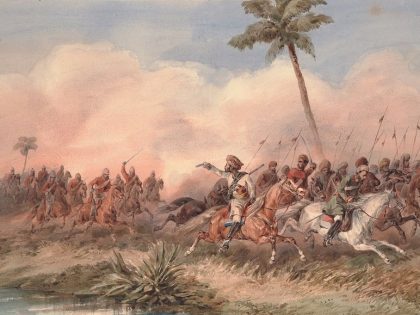
Through his relationship with the Chartist radical and labor poet Ernest Jones, Karl Marx came to realize the necessity of opposing slavery and colonialism in ending capitalism.
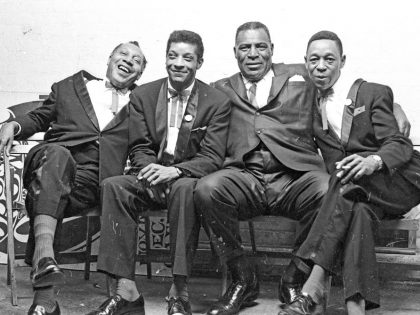
More so than any other genre, the blues addressed the misery of black American life under capitalism. The work of the late historian Paul Garon made an invaluable contribution to unearthing this tradition’s radical roots.

Novelist Nadine Gordimer crossed South Africa’s color line to become a staunch opponent of apartheid and supporter of the ANC. Her fiction tackled the savage inequalities of South African society that have continued beyond the end of minority rule.
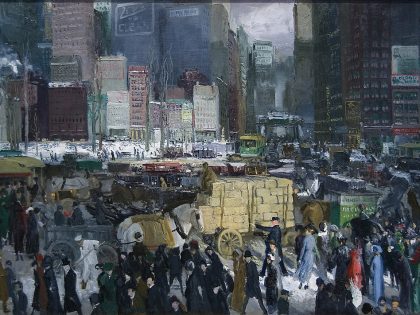
In the years before the Great Depression, the “Ashcan” school of painters rejected the cultural norms of the art market. It opted instead for an American realism that took its inspiration from the lives of dock workers, street vendors, and immigrant families in the country’s modernizing cities.

British politics have become a strange form of World War II cosplay, where the European Union are the Nazis, 1945 is a betrayal, and Boris Johnson is the newWinston Churchill.
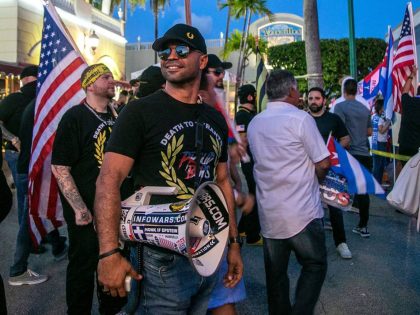
Almost none of the reports about Thursday’s conviction of four Proud Boys members mentioned the fact that the far-right group was riddled with FBI informants. But this kind of law enforcement collusion with the far right is a profound threat to democracy.
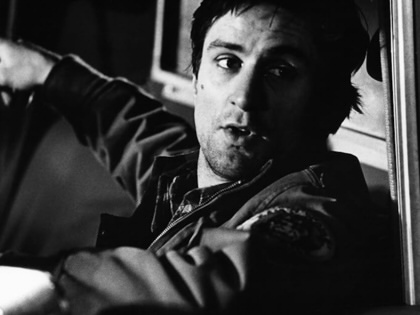
The mid-1970s were a good time for film buffs. But the industry was on the precipice of a long decline that has stripped productions of not only their political content but their seriousness.
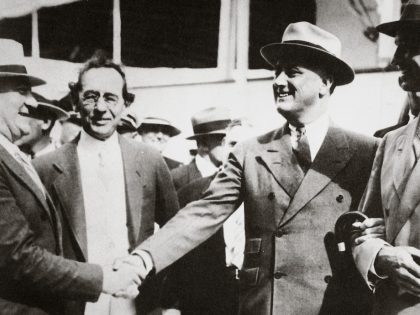
New Deal legislation was not without significant shortfalls. But where it succeeded, it created broad, universal programs that disproportionately helped America’s most exploited and oppressed workers.
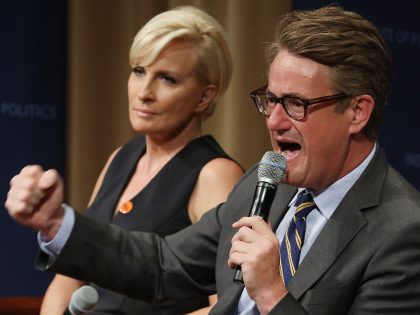
Morning Joe is the political show of choice for many elites, including President Joe Biden and Vice President Kamala Harris. A Jacobin analysis of six months of its Gaza coverage reveals an unflagging role cheering on Israel’s genocide.
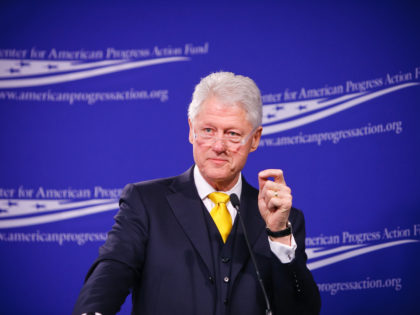
There's little in the Weinstein story that doesn't apply to Bill Clinton.
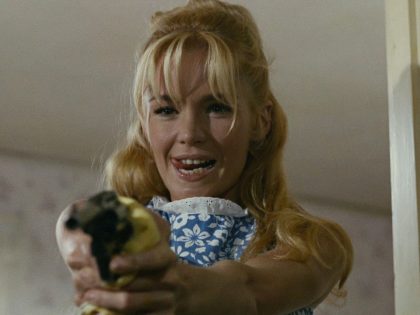
Starting in the 1960s, more and more Hollywood films depicted an increasingly violent and alienated American society quickly losing its mind. It’s hard not to see their relevance to our times.
If we ignore Blanqui’s influence on Marx, we miss important ideas about the role of theory and practice in revolutionary politics. A reply to William Roberts.
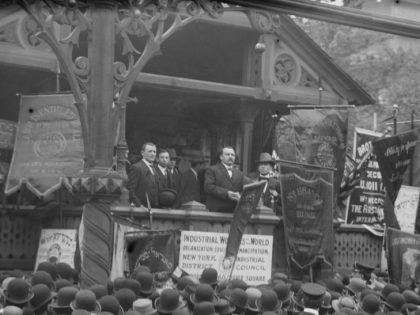
James Connolly was born 150 years ago today. He remains the outstanding socialist of Ireland's history.
On reactionary novelist James Ellroy and his Underworld USA trilogy’s surprising treatment of communism and anticommunism.

Best known as lead vocalist of Galaxie 500, Dean Wareham has a new solo album. He spoke to Jacobin about what it means for music to be political in times when it’s hard to watch the news.