Pundits Keep Predicting China’s Imminent Collapse — and Keep Getting It Wrong
Frank Dikötter is the best-selling popular historian of China today. In his latest work on the post-Mao years, Dikötter joins a long line of those predicting the speedy demise of the Chinese system, letting ideology get in the way of analysis.
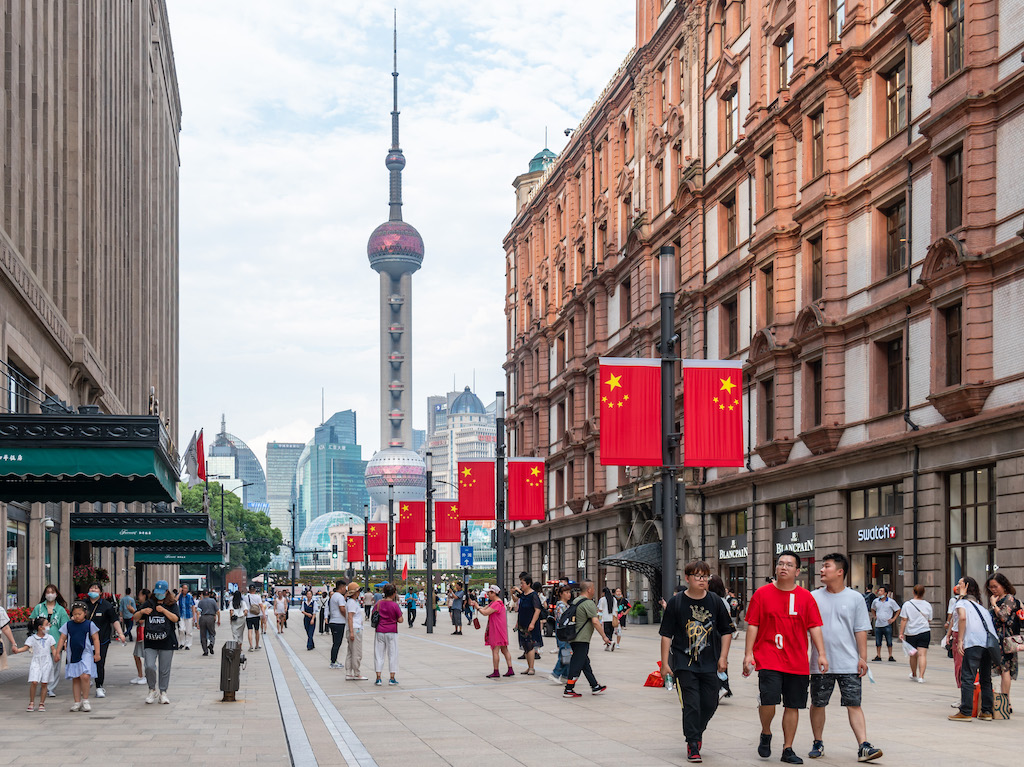
Nanjing Road Pedestrian Street in Shanghai, China, 2021. (Wang Gang / VCG via Getty Images)
Frank Dikötter is the best-selling English-language popular historian of China, known in particular for his “People’s History of China” trilogy: Mao’s Great Famine (2010), The Tragedy of Liberation (2013), and The Cultural Revolution (2016). The three books are detailed, deeply ideological histories of particular periods under Mao after the 1949 revolution, in which Dikötter set out to argue that the rule of the Communist Party of China (CPC) has been an utter disaster for China.
His earlier work, The Age of Openness: China Before Mao (2008), applied the same argument to China’s pre-communist history, depicting the country as having been a freer and more prosperous society before 1949. At 140 pages, it is much shorter than his other works — perhaps reflecting the paucity of evidence that even the most committed of Cold Warriors can offer in support of that particular case.
With China After Mao: The Rise of a Superpower, Dikötter has attempted something much more ambitious: an overview of China’s rise to become a major world power since 1976 (although the book oddly stops at 2012, on which I will say more about later). While Dikötter’s publisher has not marketed China After Mao as the fourth volume of the series, it is very much a follow-on work, both stylistically and politically. I will give a brief account of those books before looking at the present volume.