Defend George Cicciariello-Maher
The Left must combat employers' enormous authority over workers' political speech.
The Left must combat employers' enormous authority over workers' political speech.
For ISIS and Al Qaeda, Trump's foreign policy is the gift that keeps on giving.
It's not just "money in politics" — capitalists get what they want through structural power over the economy.
Even with Lenín Moreno's presidential victory, the Ecuadorian left is in dire need of reconstruction.
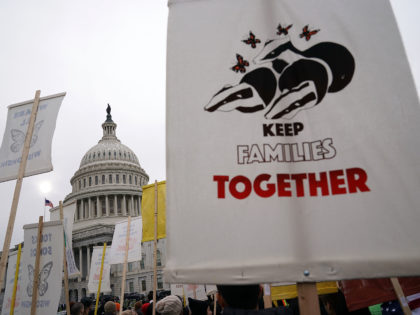
Hundreds of thousands of Salvadorans will soon be at risk of deportation — just the latest injustice they've suffered at the hands of the US state.
Why has the history of Iran's left been erased?
Jean-Luc Mélenchon isn't seeking leadership of a marginalized left. He's aiming to transform the whole of French politics.
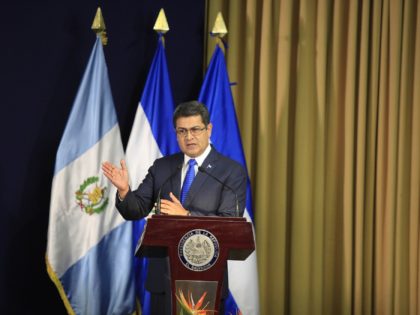
US support for the corrupt election in Honduras continues its history of obstructing the country's democracy.
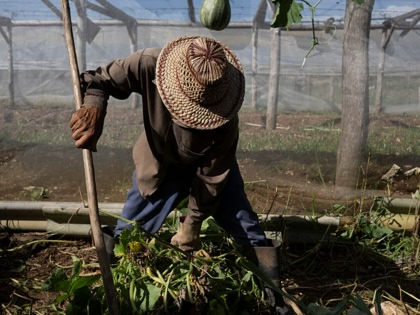
The Trump administration has already cut off Cuba’s access to oil. Now it’s attempting to starve the Cuban people, targeting the country’s capacity to grow, process, and import food — unless it buys from US corporations.
Trump’s stance on Cuba will do untold harm to the Cuban people and only strengthen anti-democratic forces on the island.
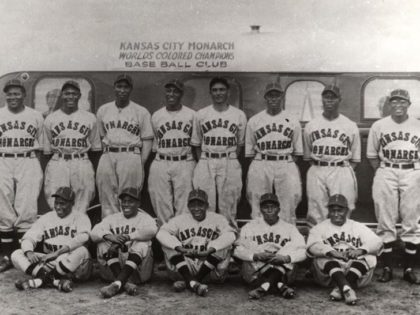
Major league baseball has a long but little-known history of rebels, reformers, and radicals.
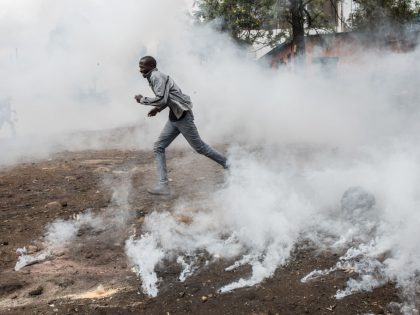
Banned in warfare yet routinely used to quell protest at home, tear gas epitomizes the contradictions of modern state violence.

NRA propaganda hearkens back to an imagined past of white picket fences and financial security. In doing so, it whitewashes the history of guns in American life.
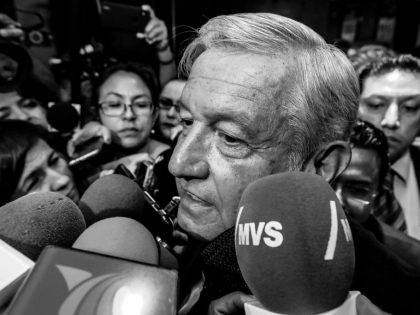
Andres Manuel Lopez Obrador is poised to win Mexico's presidency. He's promised Mexicans a new country — can he deliver?
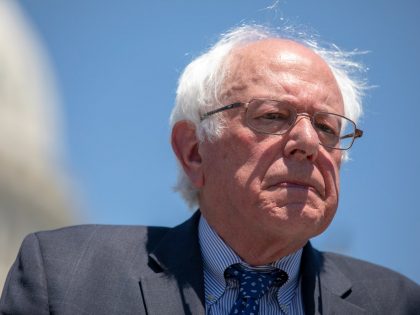
The New York Times recently attacked Bernie Sanders for opposing US intervention in Latin America in the 1980s. We should set the record straight on what the US was doing in Central America — and why Sanders was right to oppose it.
Pining for the high marginal tax rates of the 1950s doesn't do us any good. The rich still avoided paying taxes in those days — and the taxes they did pay went to funding Cold War militarism, not domestic spending.
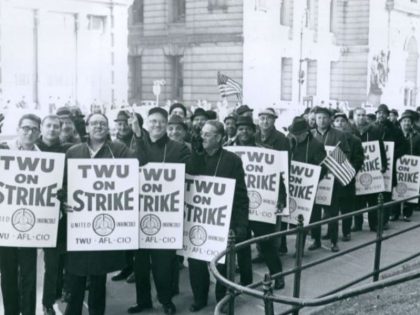
Some New York union leaders have joined Governor Cuomo against public-sector workers' right to strike. They're picking political favors over bottom-up organizing.
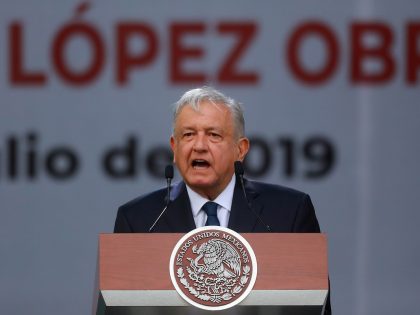
Trump is threatening a trade war if Mexico doesn’t fall in line with his depraved migrant policy. But a trade war might actually hurt the US more than Mexico. AMLO should call Trump's bluff and refuse to do his bidding.
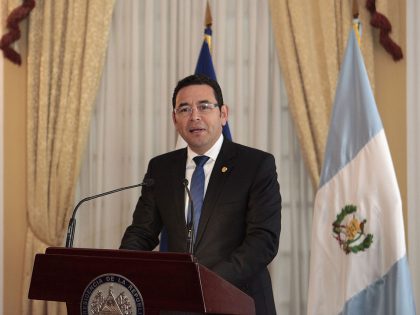
Anti-corruption politics won’t liberate Guatemala from the military, organized crime, and the wealthy. But only elites’ interests will be served by shutting down the country’s attempts to root that corruption out.
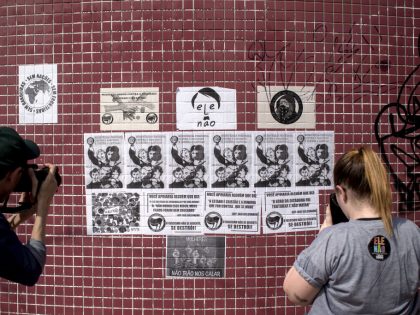
Brazil’s election campaign has seen sharp clashes between the Workers’ Party and Jair Bolsanaro’s far-right movement. But political strife and soldiers in the streets also reflect a deeper economic malaise.