Jeremy Corbyn: What I Learned From Salvador Allende’s Chile
In 1969, the young socialist activist Jeremy Corbyn visited Chile to watch the progress of Salvador Allende’s Popular Unity coalition, before its election victory the following year. Fifty years later, Corbyn spoke to Jacobin about what Chile meant to the international left.
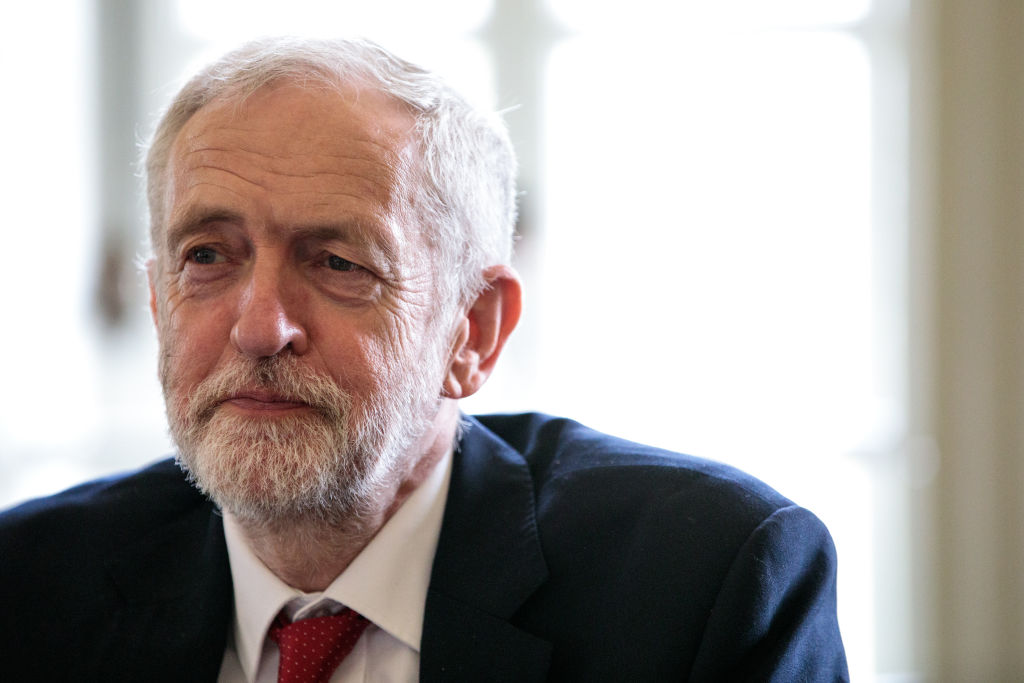
Jeremy Corbyn in London, 2019. (Jack Taylor / Getty Images)
This month marks fifty years since Popular Unity’s Salvador Allende was elected president of Chile. From the outset, parts of the opposition and state apparatus refused to accept his government, centered on the Socialist and Communist Parties, and Allende faced a violent, CIA-backed campaign of subversion. This reached its tragic denouement on September 11, 1973, with General Augusto Pinochet’s coup and Allende’s death. As the dictatorship imposed its grip, thousands of socialists, communists, and trade unionists were murdered or forced to flee the country.
When we reflect today on the fragility of the Left’s position, Chile serves as an object lesson. The collusion of the Right and business owners in sabotaging the economy; the way that procedural obstruction helped promote chaos and fascist violence on the streets; and the horror of seeing the bombing of the presidential palace all showed how undemocratic forces could trump democratic politics. This was precisely what Allende sought to combat, defiantly declaring in his final speech to the workers, “History is ours, and it is made by the people.”
One keen supporter of Allende’s presidency was Jeremy Corbyn, the leader of Britain’s Labour Party from 2015 to 2019. An enduring friend of the Latin-American left, he visited Chile in the buildup to the 1970 general election, and even years after the coup used his position in the British Parliament to speak up for the rights of under-attack Chileans.