A Historic Opportunity
With victory in sight, Alexis Tsipras discusses Europe's political landscape and the formation of a left government in Greece.
With victory in sight, Alexis Tsipras discusses Europe's political landscape and the formation of a left government in Greece.
Many thought the Parti de gauche would reinvigorate the French left. Why has the effort failed?
The Socialist International has long embraced capitalism in some of its worst forms.
The resumption of US – Cuban relations is a real victory. But Cuban workers face renewed economic liberalization with little political opening.
Ahead of Sunday's elections, the Argentine left is operating in a political landscape still dominated by Peronism.
Freeing Greece from its neoliberal straitjacket will require exiting the euro.
Leo Panitch on Syriza, party building, and how socialists should approach state power.
Syriza’s leadership is operating under difficult conditions. How should we interpret its actions, and what would an alternative look like?
Since taking power, Syriza hasn’t accepted what’s been imposed, but instead fought to create a new political landscape.
Alain Badiou and Stathis Kouvelakis in conversation on Syriza and whether a radical break from the eurozone is possible.
Taking on climate change will require massive state investment and the destruction of the fossil fuel industry.
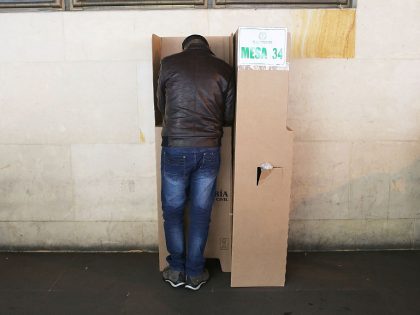
With the Right threatening a fragile peace, today's elections are the most important in Colombia’s recent history.
Greek MP Costas Lapavitsas on the economic barriers ahead for Syriza and the challenges of eurozone exit.
Progressive victory in Alberta only illuminates the need for a broader challenge to neoliberalism across Canada.
Eduardo Galeano was a man of letters who lived a life of resistance.
Podemos emerged in resistance to Spain’s political establishment. But what are the limits to its populist strategy?
What did the Cuban Revolution accomplish and where can it go from here?
President Obama didn't fail because he lacks courage. He failed because he represents the country's most powerful interests.
Today's Turkish elections are occurring in a political environment transformed by the Gezi Uprising.