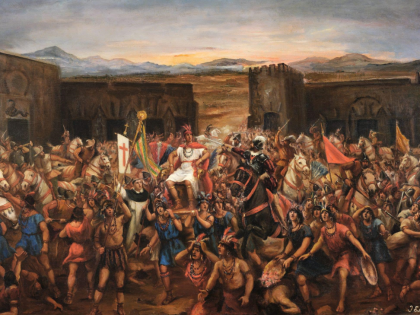
The Reactionary Jargon of Decoloniality
Cloaked in an impenetrable jargon, “decoloniality” dehistoricizes and culturalizes colonialism. It’s a political and intellectual dead end for socialists.
Cloaked in an impenetrable jargon, “decoloniality” dehistoricizes and culturalizes colonialism. It’s a political and intellectual dead end for socialists.
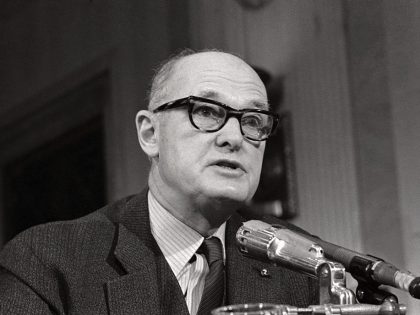
Late in life, diplomat George Kennan became known as a “dove” on US-Russian relations. But after World War II his containment strategy played a major role subverting democracies in the name of fighting communism.
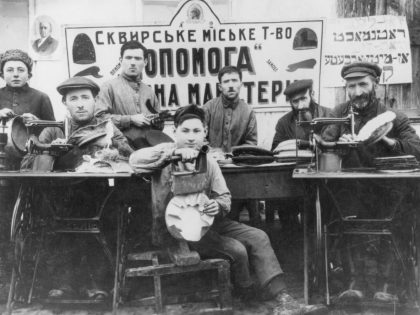
Prior to Israel’s founding, the majority of European Jews rejected the idea of an ethnically Jewish nation. Instead they fought antisemitism by building solidarity.
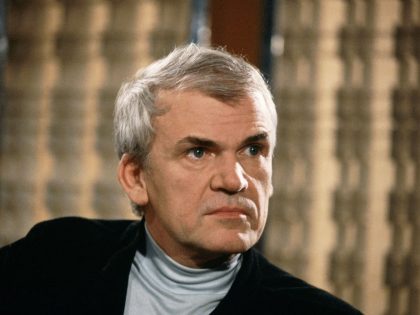
Milan Kundera, who died this month, became known as a staunchly individualist critic of one-party Communist rule. Yet his work was also steeped in the rich earlier traditions of left-wing Czech literature, which grappled with the meaning of human freedom.

Rapper billy woods is a leading figure in contemporary underground hip-hop. He spoke to Jacobin about the inspiration for his music and his left-wing politics.

Developmentalist nationalism is a poor substitute for socialism.
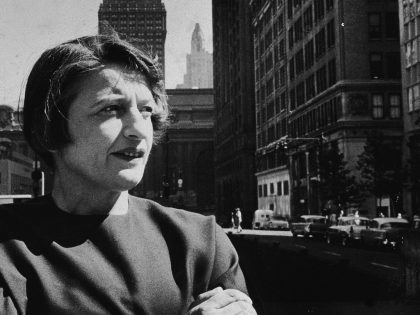
Ayn Rand believed that the path to social harmony ran through the inferior masses’ acceptance of brutal rule by their natural superiors. Her perspective was wrong, and its implications were just as grim and nasty as her atrocious personality.

Ukraine’s military position is worsening, and there are signs of fatigue on the home front. A tit-for-tat escalation between Washington and Moscow would be disastrous for Ukrainians and for us all.
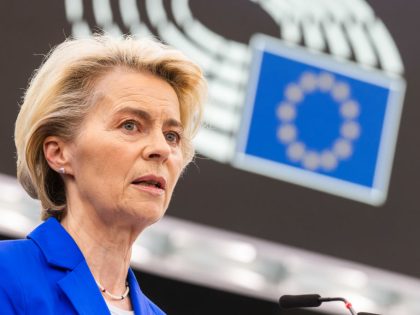
Faced with Israel’s collective punishment of Gaza, European leaders have offered unqualified support. Their disinterest in defending international law shows there’s no such thing as “a rules-based order” — just imperial powers, and their chosen allies.
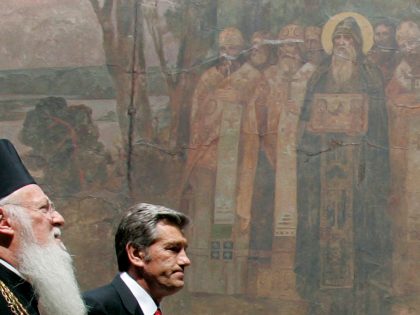
The borders of Ukraine are no more arbitrary than those of Poland, Greece, Italy, or Germany.
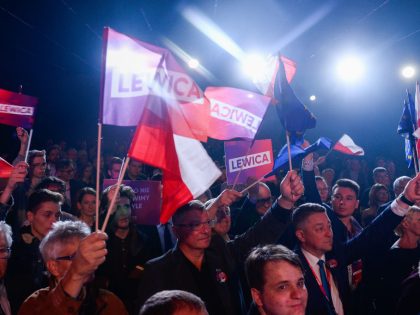
Six left-wing parties from central-eastern Europe have formed a new alliance. They’re united by opposition to right-wing populists and Russian imperialism — but they’re also challenging the center-left parties who led the region’s neoliberal turn.
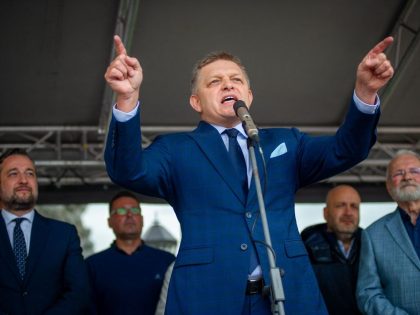
As Slovakia heads toward a snap election, former prime minister Robert Fico is surging in polls. His Smer party has a record of defending welfare spending — but its scandals and nationalist rhetoric make it hard for many left-wingers to support.
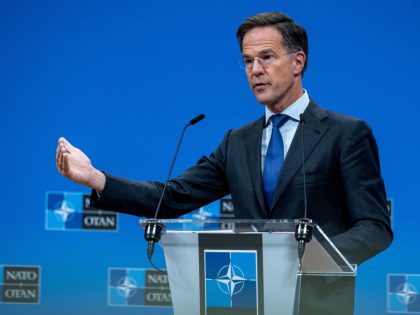
In his maiden speech as NATO secretary-general, Mark Rutte ominously warned that peacetime is over as he delivered a cocktail of half-truths to demand ever-increased military spending.
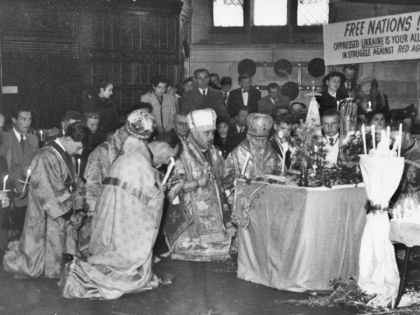
Australian historian Sheila Fitzpatrick has spent her career documenting the history of the USSR. She tells Jacobin about her latest project, which looks at the Soviet citizens who migrated to Australia and their complicated relationship with their homeland.
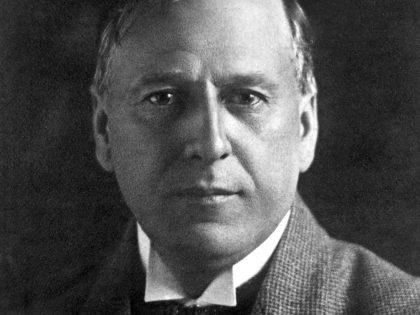
Born in Bulgaria, Christian Rakovsky became a major leader of the Russian Revolution who wanted the Soviet Union to be a true partnership of nations. But when Rakovsky challenged Stalin’s dictatorship, he was tried and executed on a trumped-up charge.
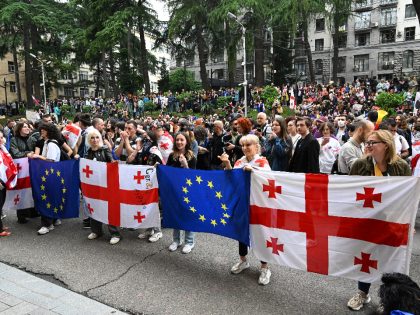
Donald Trump’s moves to dismantle USAID clearly aren’t driven by fears of infringing on other nations’ sovereignty. Still, we should recognize that Global South NGOs’ reliance on Western donors hinders the growth of self-sustaining civil societies.
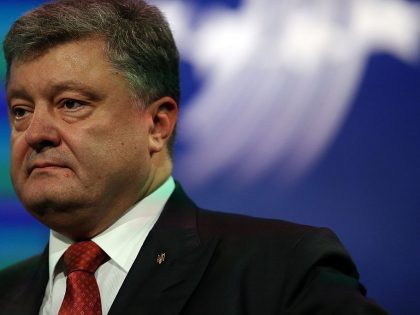
Ukraine's politics are dominated by oligarchs. Its streets are more and more run by the far right.
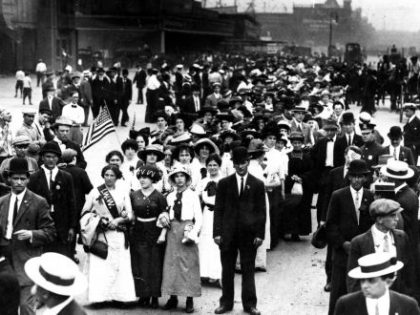
One hundred years ago was a time of revolution. Emma Goldman, John Reed, and Bill Haywood were at the center of it all.

Phoenix Mercury center and WNBA legend Brittney Griner has been held in a Russian prison for nearly two months. Why did the league take so long to speak out publicly in her support?
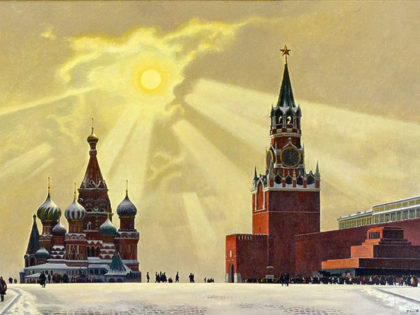
The revolutionary violence of 1917 paled in comparison to that on the fronts of the Great War.